Federal Public Prosecutor's Office Recommends Measures to Protect Madiha Kulina Indigenous People in Amazonas
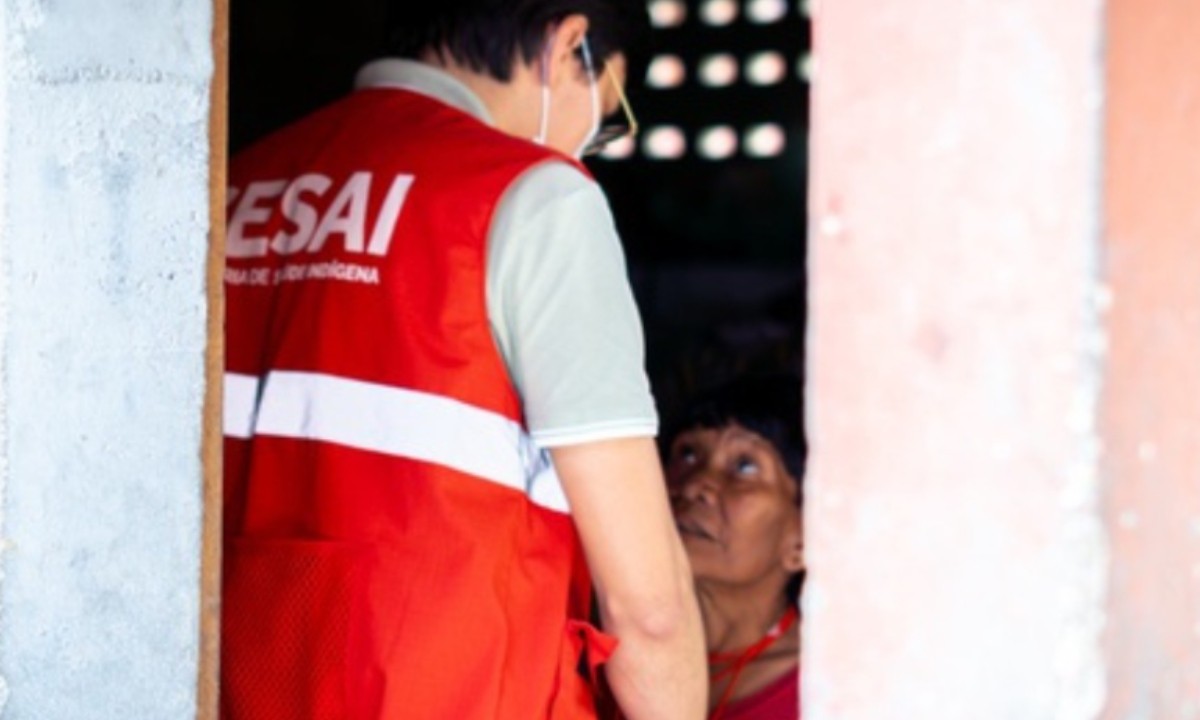
The Federal Public Prosecutor's Office (MPF) has recommended a series of measures to address the social vulnerability and human rights violations faced by the Madiha Kulina indigenous people in Ipixuna, Amazonas. A key recommendation is the establishment of a Psychosocial Care Center (Caps) in Ipixuna within 180 days. This center is intended to serve both the indigenous population and the local community, providing culturally appropriate care with mandatory translators for the Madiha Kulina language to assist during seasonal displacements. The MPF highlights the necessity of the Caps due to high rates of suicide, alcoholism, and other mental health issues among the region's indigenous population.
Further recommendations include the construction and operation of an indigenous transit house in Ipixuna to alleviate extreme vulnerability, which has led to deaths, abandonment of farming, and severe child health problems. In terms of social security, the MPF proposes that the INSS and the Ministry of Social Security implement virtual tele-expertise and service in Ipixuna and its surrounding villages. This aims to prevent indigenous individuals from undertaking arduous journeys for essential medical examinations required for welfare benefits. The MPF also called for a strengthened Funai presence, including the implementation of the Médio Juruá Regional Coordination and local units in Ipixuna and Envira, to combat state neglect in the region. The recommendations have been sent to various municipal, state, and federal bodies, including health and social assistance secretariats, the Ministry of Health, and Funai. These entities have ten days to respond to the MPF regarding their acceptance of the proposed measures and initial actions.
The Federal Public Prosecutor's Office's recommendations highlight systemic failures in providing adequate social, psychological, and healthcare services to the Madiha Kulina indigenous community in Amazonas. The proposed interventions, such as a culturally sensitive Caps and improved access to social security services, address critical issues like high suicide rates, alcoholism, and child health crises stemming from extreme vulnerability and state neglect. The urgency of these measures suggests a pressing need for improved governance and resource allocation to protect indigenous rights and well-being. Looking ahead, the integration of these services, alongside a robust Funai presence, will be crucial for fostering long-term resilience and self-determination for the Madiha Kulina people, particularly in the context of ongoing environmental and social pressures.
AI-generated to prompt reflection — not editorial opinion, not advice, not a statement of fact. How this works.