Federal University of Acre Announces 148 Remaining Spots for Undergraduate Programs
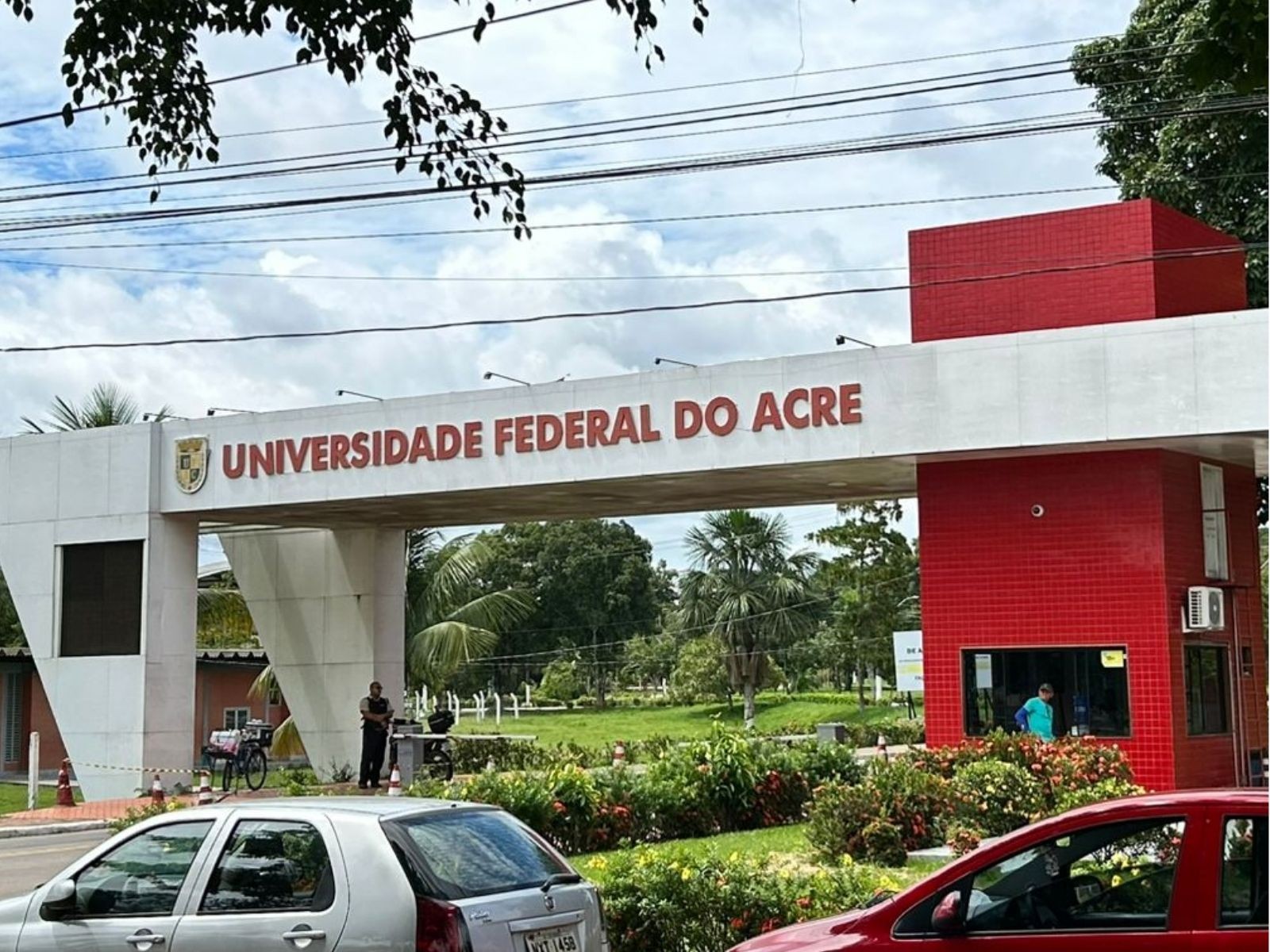
The Federal University of Acre (Ufac) has opened applications for 148 remaining spots in undergraduate courses at its main campus in Rio Branco. The application period runs online from Wednesday, June 15th, until Monday, June 20th, via the selection process link. Eligible candidates must have a high school diploma and have taken the National High School Exam (Enem) between 2021 and 2025, without scoring zero on the essay or missing any exam day. Each applicant can apply for only one course, campus, and shift. Admissions will be based on the highest scores achieved. These vacancies were not filled through the standard selection processes via the Unified Selection System (Sisu) and Ufac's own selection process, as outlined in edicts nº 4/2025 and nº 5/2026. The selection is specifically for entry into the second semester of the 2026 academic year, with a single call for applications scheduled for July 27th. Institutional enrollment will proceed after document verification and confirmation that candidates meet all stated requirements. The first phase of enrollment, conducted online, will take place from July 28th to 29th, with the final results expected by August 13th. Available courses in Rio Branco include Electrical Engineering, Forest Engineering, Philosophy, Spanish Language (Licentiate), Music (Licentiate), and Collective Health.
This initiative by Ufac addresses the practical challenge of unfilled enrollment slots, aiming to maximize resource utilization for the 2026 academic year. The process highlights the importance of aligning admission cycles with student availability and the effectiveness of national standardized tests like Enem in gauging candidate suitability. The limited application window and single-call system underscore the urgency for prospective students to act swiftly. From a systemic perspective, the university's effort to fill these remaining spots reflects a broader concern within higher education regarding student retention and program completion rates, especially in specialized fields like engineering and humanities. Future considerations might involve refining initial admission targets or exploring more flexible pathways for students who may have missed earlier opportunities.
AI-generated to prompt reflection — not editorial opinion, not advice, not a statement of fact. How this works.