Federal University of Acre Student Strike Ends After 20 Days
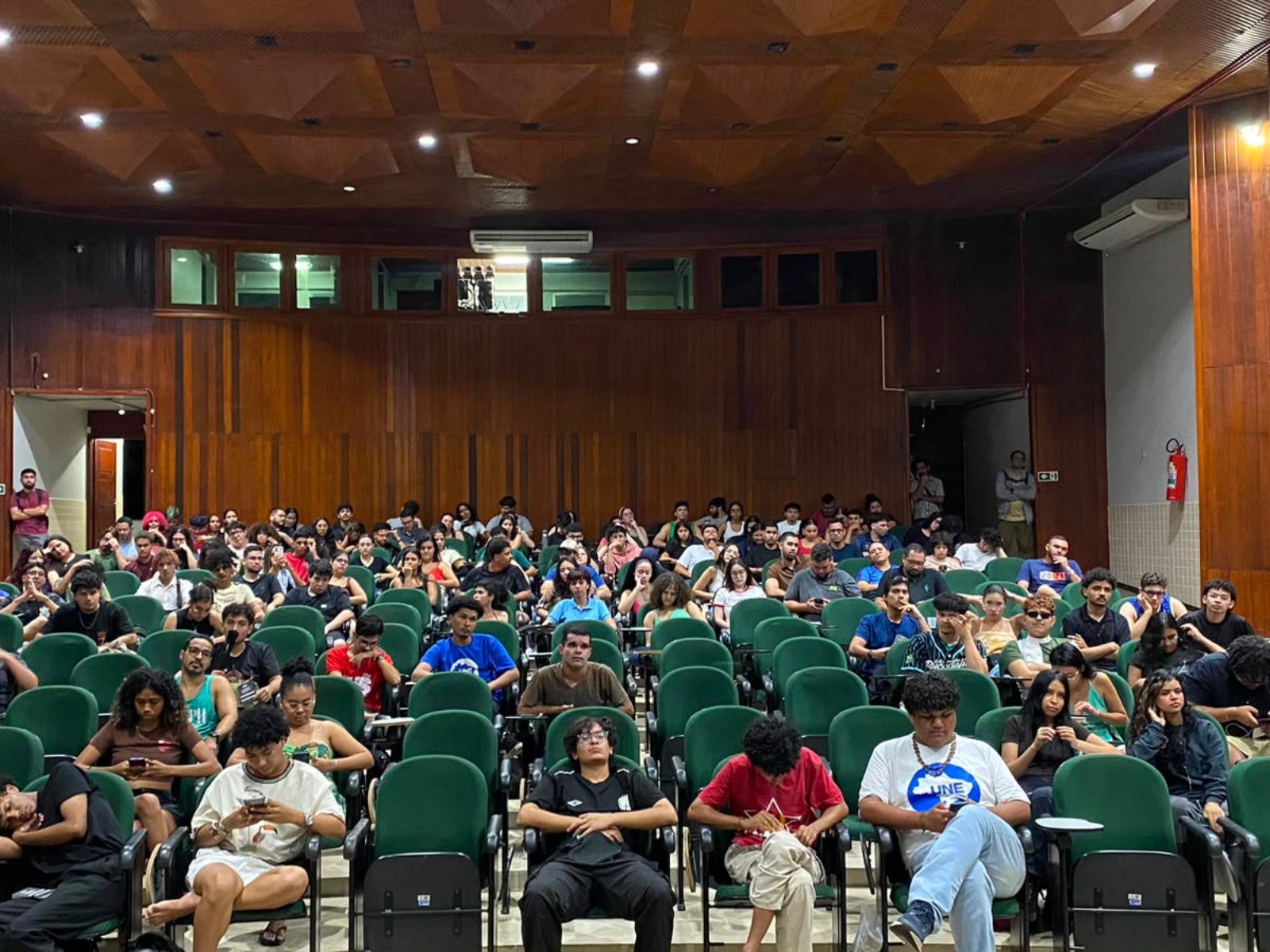
The undergraduate student strike at the Federal University of Acre (Ufac), which began due to a public transportation crisis in Rio Branco, has concluded after 20 days. The decision to end the strike was made during a student assembly convened by the Central Directorate of Students (DCE) on Tuesday, April 4th. However, a specific date for the resumption of classes has not yet been set. The return to classes is contingent upon official notification from Ufac's Pro-Rectory of Graduation (Prograd) to the course coordinators. The strike was initially maintained on June 27th, with students citing the failure of the Municipal Superintendence of Transport and Transit (RBTrans) to meet the requirement of 67 buses in operation. The DCE stated the decision was democratic, following collective evaluation of achievements during the movement. Despite four new articulated buses arriving in Rio Branco on June 30th to bolster the fleet, only one began operating on the Ufac line. These new buses are separate from those previously seized and released by the court, and do not belong to the new company set to take over services. With over 60 buses circulating, the current number remains significantly below the 94 buses needed to adequately serve the capital's population. The transportation crisis had previously led to student protests on July 15th, with students demanding immediate action from the Rio Branco City Hall. A prior demonstration on July 13th in front of City Hall resulted in altercations between students and municipal servers, which the City Hall condemned, while respecting the right to protest.
The resolution of the Ufac student strike highlights the persistent challenges in urban public transportation infrastructure, particularly in regional capitals. The prolonged strike underscores the critical link between reliable transit and access to education, demonstrating how systemic failures in municipal services can directly impact academic continuity. While the arrival of new buses offers a potential improvement, the ongoing deficit in operational vehicles suggests that the underlying issues of fleet management, maintenance, and service provision require more comprehensive, long-term solutions. Future policy considerations should focus on sustainable funding models and regulatory oversight to ensure consistent service delivery, preventing similar disruptions that affect student populations and broader urban mobility.
AI-generated to prompt reflection — not editorial opinion, not advice, not a statement of fact. How this works.
