Federal University of Acre Technical Staff End 5-Month Strike
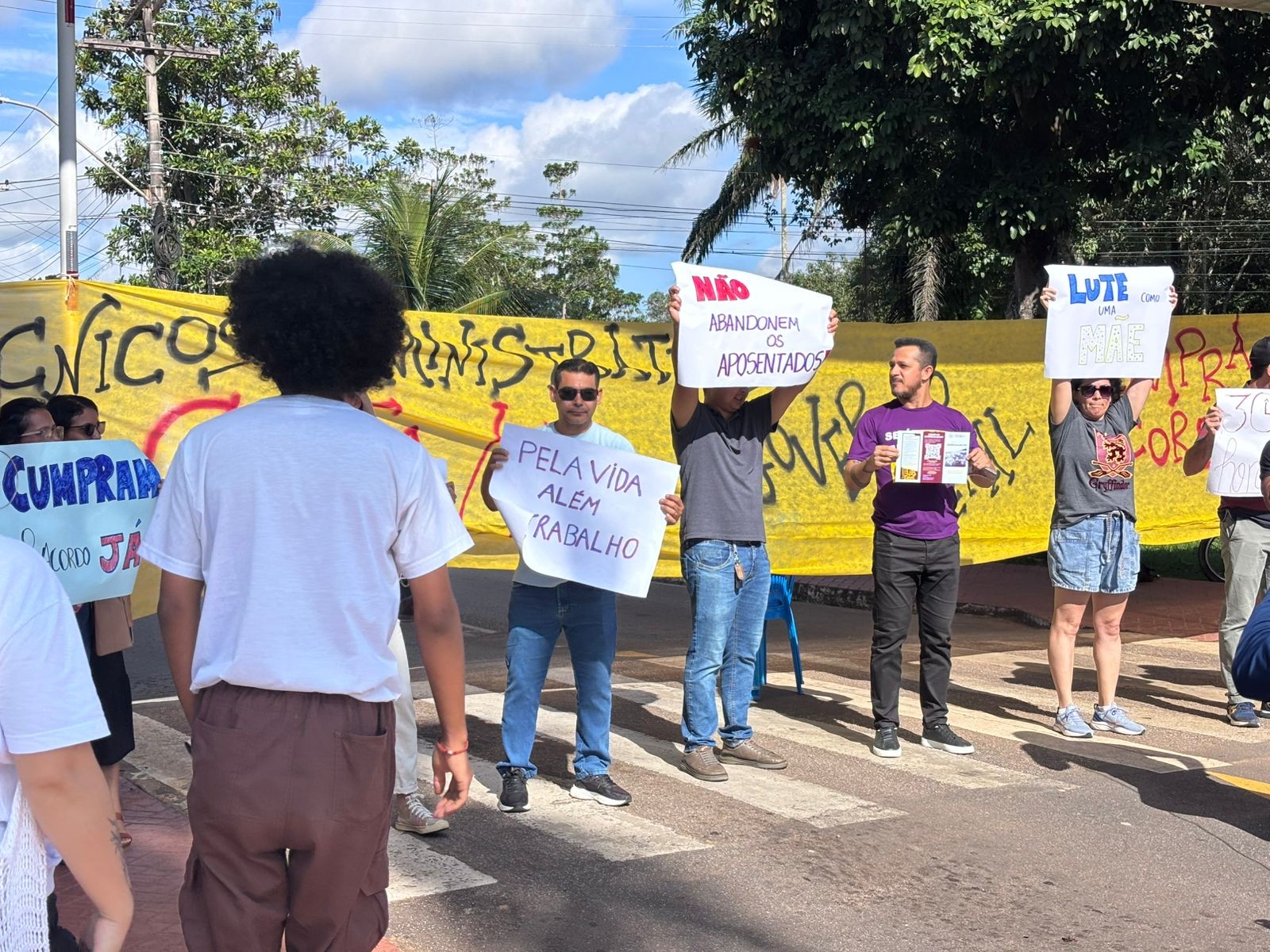
Technical-administrative staff at the Federal University of Acre (Ufac) have voted to end a strike that lasted nearly five months. The decision, made during a virtual assembly by the Union of Technical-Administrative Servers of Ufac (Sintest-AC) on Monday, March 13th, sets their return to work for Monday, March 20th. This local decision maintained its timeline despite the national federation, Fasubra, recommending the end of the nationwide strike on Wednesday, March 15th, following an agreement with the federal government. Sintest-AC explained that the local assembly had already approved March 20th as the return date and that Fasubra's national directive was issued without consulting base unions. Mirza da Costa, the general secretary of Sintest-AC, stated that the union respected the decision made by its members, using its autonomy to uphold the March 20th return date. The strike, which began in February as part of a national movement, lasted over 130 days and impacted administrative services, document issuance, library operations, and other support sectors. The technical staff's primary demands included the full implementation of a 2024 agreement with the federal government, the Recognition of Knowledge and Competencies (RSC), a 30-hour workweek, and opposition to administrative reforms. Ufac-specific demands involved revising a resolution, implementing policies against harassment, creating norms for relocating disabled employees, recomposing staff at the College of Application, and establishing psychological support for servers. Despite ending their strike, Sintest-AC will continue to support student mobilizations, particularly concerning the public transport crisis in Rio Branco, which has led Ufac to suspend undergraduate classes until minimal bus service is restored.
The resolution of the Ufac technical staff strike highlights the complex interplay between national union directives and local autonomy in public sector labor relations. While a federal agreement was reached, the divergence in return-to-work dates underscores potential communication gaps and the importance of respecting grassroots decision-making processes within federated structures. This event prompts reflection on how national bargaining power can be effectively translated to institutional levels while ensuring member buy-in and addressing unique local concerns. Moving forward, optimizing communication channels and establishing clearer protocols for consultation could enhance solidarity and streamline the resolution of future labor disputes across public higher education institutions.
AI-generated to prompt reflection — not editorial opinion, not advice, not a statement of fact. How this works.