Federal University of Tocantins Announces 856 Places for 2027 Entry
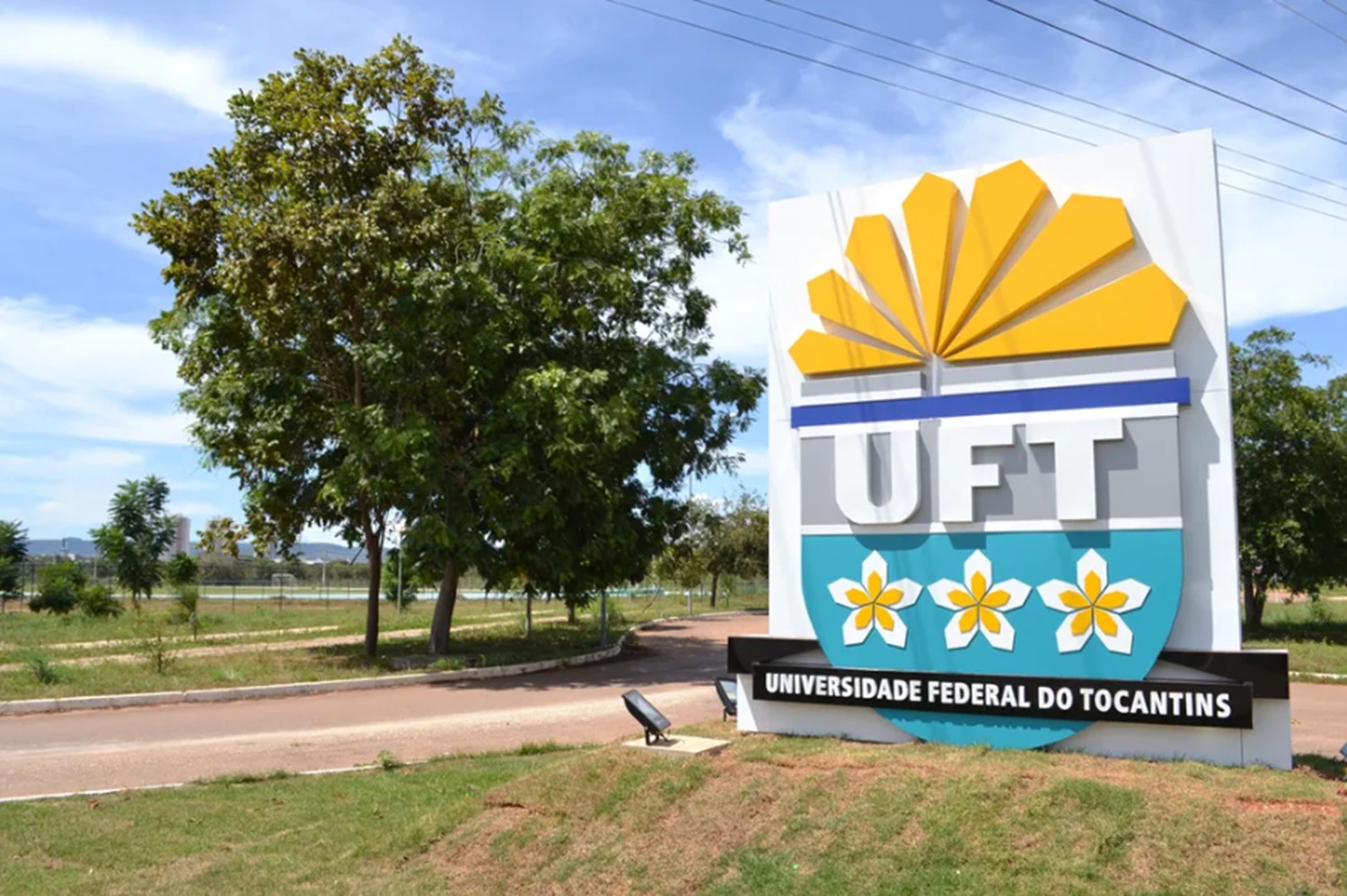
The Federal University of Tocantins (UFT) has released the selection process announcement for its Extravestibular program, offering 856 remaining spots in undergraduate courses for the first semester of 2027. This selection is open to candidates seeking internal or external transfers, former UFT students wishing to re-enroll, and individuals holding a prior degree who wish to pursue a second undergraduate qualification. Among the available courses are highly sought-after programs such as Medicine, Nursing, Architecture and Urbanism, Veterinary Medicine, and the interdisciplinary Bachelor's in Artificial Intelligence. The application period will run exclusively online via the Permanent Selection Commission (Copese) website from August 3, 2026, at 10 AM to August 26, 2026, at 5 PM. Applicants can request an exemption from the registration fee until August 6, 2026. In-person examinations are scheduled for September 27, 2026, to be held in the cities of Arraias, Gurupi, and Palmas. The final results are anticipated to be published on October 15, 2026. The Extravestibular process caters to various student profiles, including current UFT students transferring to similar fields, students from other higher education institutions with active or suspended enrollment in 2026, former UFT students aiming to resume their studies, and diploma holders seeking a new degree.
This initiative by the Federal University of Tocantins addresses the strategic challenge of optimizing resource utilization and student enrollment by offering a second pathway for admission beyond the primary entrance examination. By allocating 856 spots for transfers, re-entries, and diploma holders for the 2027 academic year, the university aims to fill vacancies and potentially enhance program diversity. The extended application and examination timeline, spanning over a year from the application opening to the final results, suggests a deliberate approach to maximize candidate reach and administrative processing. This model of supplementary admissions can be analyzed through the lens of institutional efficiency and accessibility, balancing the need to fill seats with maintaining academic standards and ensuring equitable opportunities for all applicant categories within the evolving higher education landscape.
AI-generated to prompt reflection — not editorial opinion, not advice, not a statement of fact. How this works.