Federico Jeanmaire's 'Bali' Explores Epistolary Adventure as a Path to Knowledge
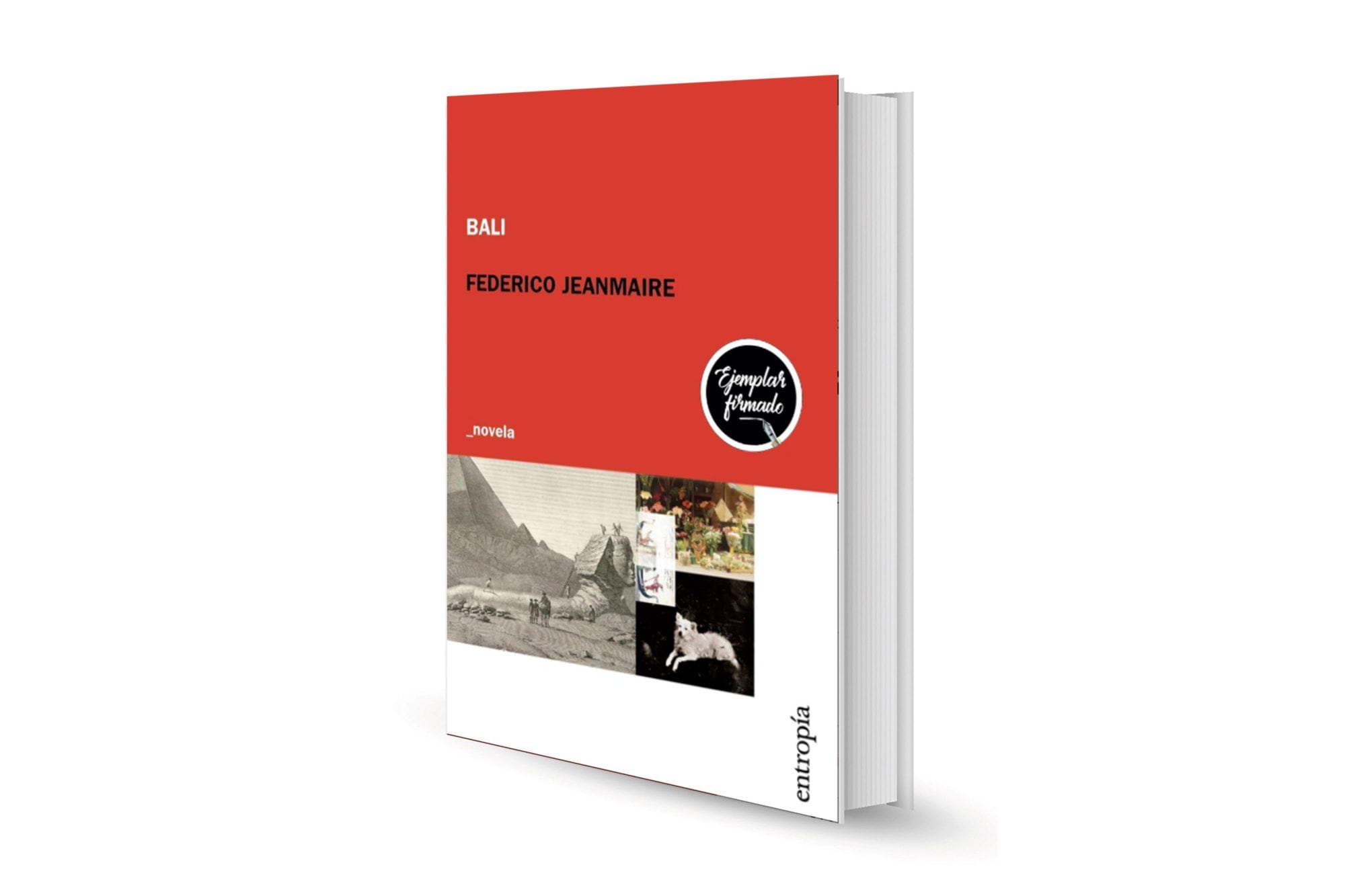
Federico Jeanmaire's latest work, 'Bali,' delves into the concept of epistolary adventure as a means of acquiring knowledge. The book uses a letter-writing format to explore various themes and narratives. Jeanmaire, an established author, continues to push the boundaries of traditional storytelling with this unique approach. The novel invites readers to engage with the journey of discovery through correspondence. This method allows for a more intimate and reflective exploration of ideas. 'Bali' promises a compelling narrative that intertwines personal journeys with intellectual pursuits. The epistolary structure facilitates a gradual unfolding of plot and character development. Readers can expect a thoughtful examination of how communication shapes understanding. The book is positioned as an exploration of knowledge gained through unconventional means. Jeanmaire's signature style is expected to be present, offering a distinct literary experience.
This literary work employs an epistolary format, a narrative technique that has historically allowed for deep character introspection and the gradual revelation of complex plots. By framing the 'adventure' as a journey of knowledge acquisition through letters, the author invites a meta-commentary on how information is exchanged and understood. In an era increasingly dominated by rapid digital communication, the choice of a slower, more deliberate epistolary form may serve to highlight the value of thoughtful engagement and the potential for deeper understanding that can arise from sustained, written dialogue. This approach could prompt reflection on the trade-offs between the immediacy of modern communication and the depth of knowledge cultivated through more traditional, reflective methods.
AI-generated to prompt reflection — not editorial opinion, not advice, not a statement of fact. How this works.