FEICOM Exceeds 2025 Financial Targets, Boosts Local Development
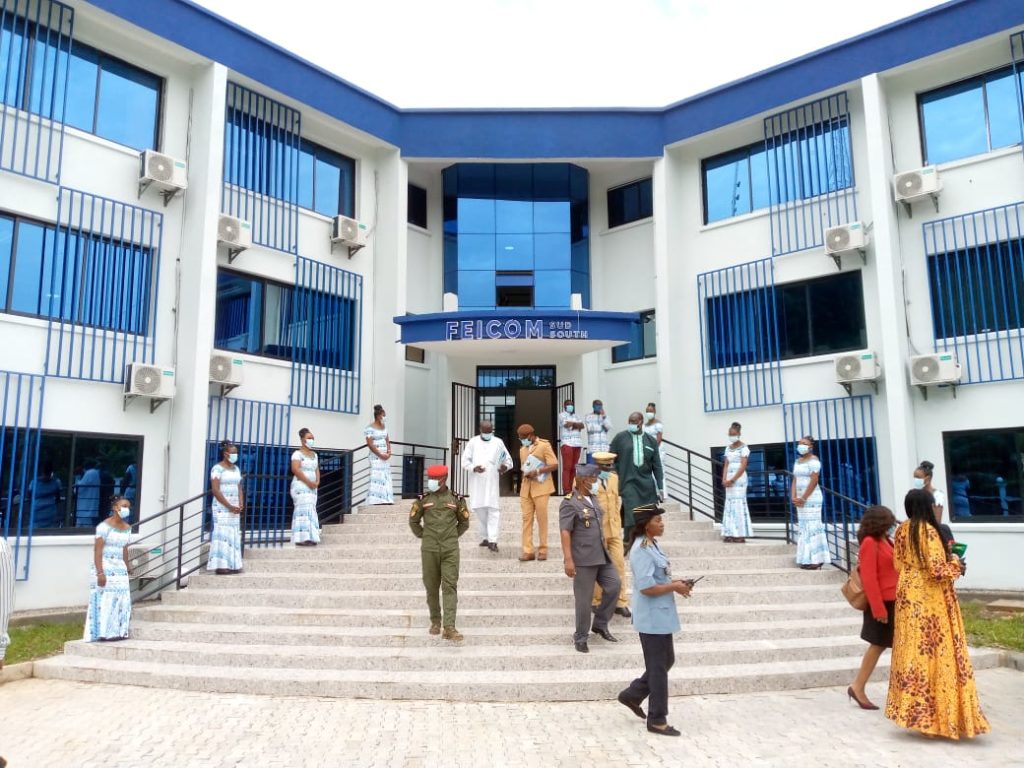
The Special Fund for Inter-municipal Equipment and Intervention (FEICOM) has reported strong financial performance for 2025, exceeding its objectives. The institution mobilized FCFA 361.8 billion, representing 117.13% of its forecast. During its 48th ordinary session on June 24, 2026, the Board of Directors approved the 2025 annual performance report, highlighting increased resources and controlled operating expenses. The board acknowledged the success of the financial resource mobilization sub-program, which achieved FCFA 361.8 billion against a target of FCFA 308.9 billion. FEICOM distributed FCFA 177.8 billion to local authorities as equalization resources. The public establishment also enhanced its support for territorial collectivities, with investment commitments rising by 25.11% to FCFA 57.7 billion. Additionally, 339 communes and associations of communes received financial aid totaling FCFA 23.7 billion, and 14 financings amounting to FCFA 8.6 billion were granted to regions for 15 projects. The board noted progress on key partnership programs with international bodies like KfW, the European Union, AfDB, FAO, and the Crédit Foncier du Cameroun. The launch of the Climate Window facility provided initial financing of FCFA 5.9 billion. Finally, the arrival of 40 heavy-duty machines, out of 131 expected, is set to improve road maintenance, access to drinking water, and aggregate production capabilities for communes.
FEICOM's reported overachievement of its 2025 financial targets and increased investment in local infrastructure signifies a positive operational period. The diverse funding sources, including international partnerships and a new climate facility, suggest a strategic approach to development financing. The substantial allocation of funds to communes and regions indicates a commitment to decentralization and direct support for local governance. Future performance will likely depend on the effective utilization of these resources for tangible improvements in public services and infrastructure, alongside the continued successful deployment of expected heavy machinery. Examining the long-term impact of these investments on regional economic development and the sustainability of FEICOM's financial model will be crucial in the coming years.
AI-generated to prompt reflection — not editorial opinion, not advice, not a statement of fact. How this works.