Feira de Santana Announces Full Schedule for 2026 Feast of Our Lady of Sant'Ana
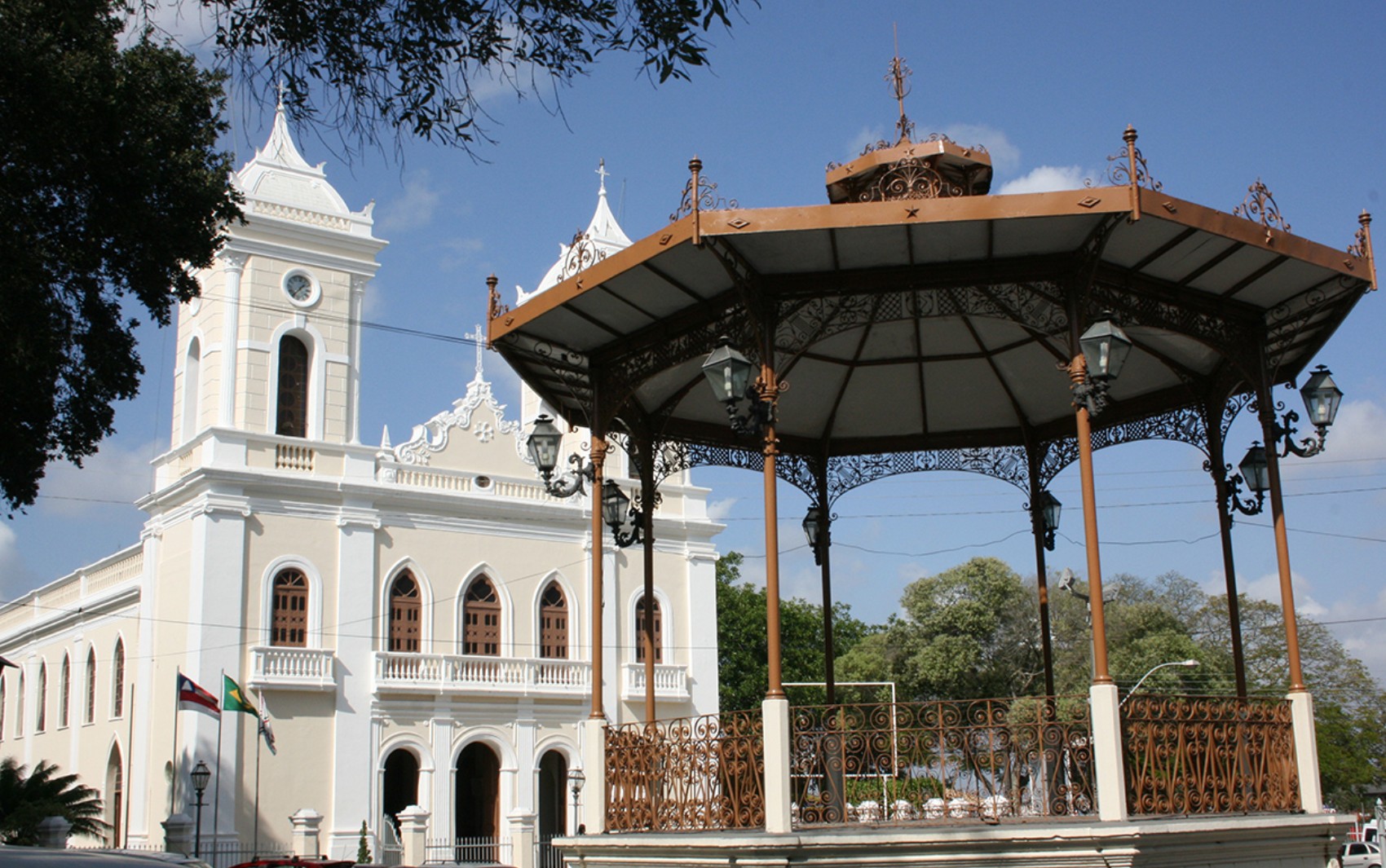
Feira de Santana, Bahia, has officially released the complete program for its traditional Feast of Our Lady of Sant'Ana 2026. The announcement was made on Sunday, July 5th, during a ceremony at the Metropolitan Cathedral of Sant'Ana. This significant religious celebration, one of the most important in Bahia, is scheduled to take place from July 17th to July 26th. A key highlight of this year's festivities will be the commemoration of the 180th anniversary of the Parish of Our Lady of Sant'Ana, which was established in 1846. The program includes a novena, masses, special religious services, and cultural activities, culminating on July 26th, the day dedicated to the patron saint of Feira de Santana and a municipal holiday. Throughout the ten days, the Metropolitan Cathedral anticipates welcoming thousands of faithful from Feira de Santana and surrounding towns, underscoring the event's enduring tradition. The novena themes will explore the history of the Catholic Church in the municipality, referencing milestones such as the aforementioned parish creation, the 64th anniversary of the Diocese of Feira de Santana (founded in 1962), and the elevation of the Diocese to an Archdiocese in 2002. The closing day, July 26th, will feature an early morning festive alarm, masses led by prominent religious figures including Archbishop Emeritus Dom Itamar Vian and Metropolitan Archbishop Dom Zanoni Demettino Castro, and a solemn procession honoring Our Lady of Sant'Ana, followed by a blessing of the Blessed Sacrament and the official conclusion of the celebrations.
The detailed scheduling of the Feast of Our Lady of Sant'Ana highlights the enduring role of religious traditions in community identity and civic life, particularly in regions like Bahia, Brazil. The integration of historical anniversaries, such as the parish's 180th year and the diocese's 64th, into the festival's themes demonstrates a strategic effort to reinforce institutional memory and the continuity of faith. This approach not only honors the past but also serves to engage contemporary congregations by connecting historical milestones to current religious practice and social values. The multi-day format, involving various religious figures and culminating in a public procession, reflects a well-established model for mass mobilization and spiritual engagement, offering a predictable yet resonant experience for attendees. Such events, while rooted in tradition, also function as significant cultural and social gatherings, contributing to local economies and reinforcing social cohesion through shared ritual and participation.
AI-generated to prompt reflection — not editorial opinion, not advice, not a statement of fact. How this works.