Feira de Santana Avenue Becomes a Sweet Hub with 'Doce Fraga' Phenomenon
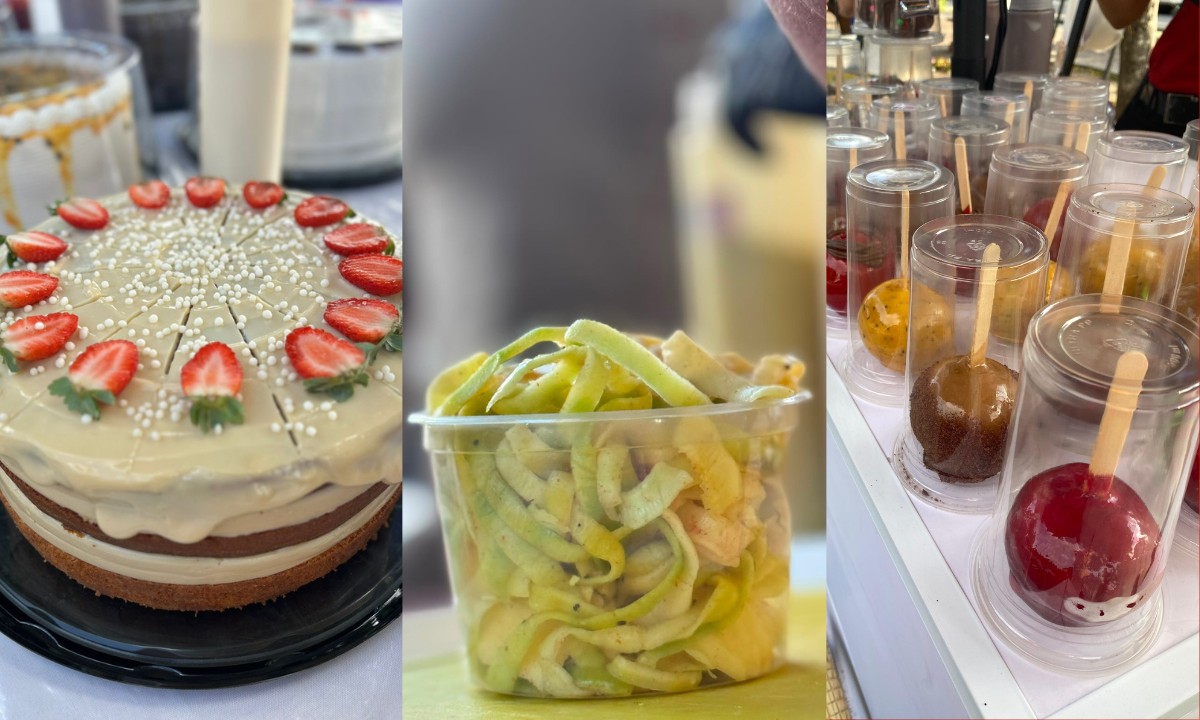
A section of Avenida Fraga Maia in Feira de Santana, Bahia, has transformed into a vibrant weekend destination known as 'Doce Fraga.' This initiative, launched in August 2025, brought together local confectioners and small entrepreneurs who previously focused on individual orders. They moved their businesses to the street, initially setting up tables and carts on the avenue's median. Fernando Barbalho, owner of 'CrocLove' specializing in candied apples, was one of the first to participate, inspired by a similar concept in Aracaju, Sergipe. His vision was to create a family-friendly gathering space in Feira de Santana. Following municipal notifications in February of this year, the vendors were relocated from the median to an adjacent area, now serving as the 'Doce Fraga' food court on weekends. The current setup features 22 exhibitors offering a variety of sweets, including pies, brownies, brigadeiros, cookies, churros, candied apples, fruit salads, and seasoned fruits. This movement not only boosts the confectionery sector but also provides income opportunities for entrepreneurs. Renata Gusmão of 'Doçuras da Renata' found success with pie slices, selling out quickly and attracting new clients for larger events. Similarly, the couple behind 'Loucos por Cookies' transitioned from home delivery to participating in events, now offering 13 rotating cookie flavors. Diana Gonçalves' seasoned mango and pineapple have also become a draw, with customers traveling from neighboring cities to try them. Despite the success, challenges include maintaining product refrigeration and adequate infrastructure, such as reliable electricity access, with some vendors utilizing solar power.
The 'Doce Fraga' phenomenon in Feira de Santana exemplifies the power of informal entrepreneurship and community-driven economic development. By repurposing public space, small businesses have created a unique consumer experience that fosters social interaction and economic activity. This organic growth highlights a demand for accessible, artisanal food options and demonstrates how local initiatives can revitalize urban areas. The relocation by the municipality, while necessary for order, presents an ongoing challenge in balancing public space management with support for burgeoning local economies. Future success will depend on the city's ability to provide sustainable infrastructure and regulatory frameworks that accommodate this evolving marketplace without stifling its organic charm and entrepreneurial spirit. The model offers a scalable blueprint for other cities seeking to foster similar community-based economic hubs.
AI-generated to prompt reflection — not editorial opinion, not advice, not a statement of fact. How this works.