Feira de Santana Implements Traffic Rerouting for Artêmia Pires Avenue Duplication Project
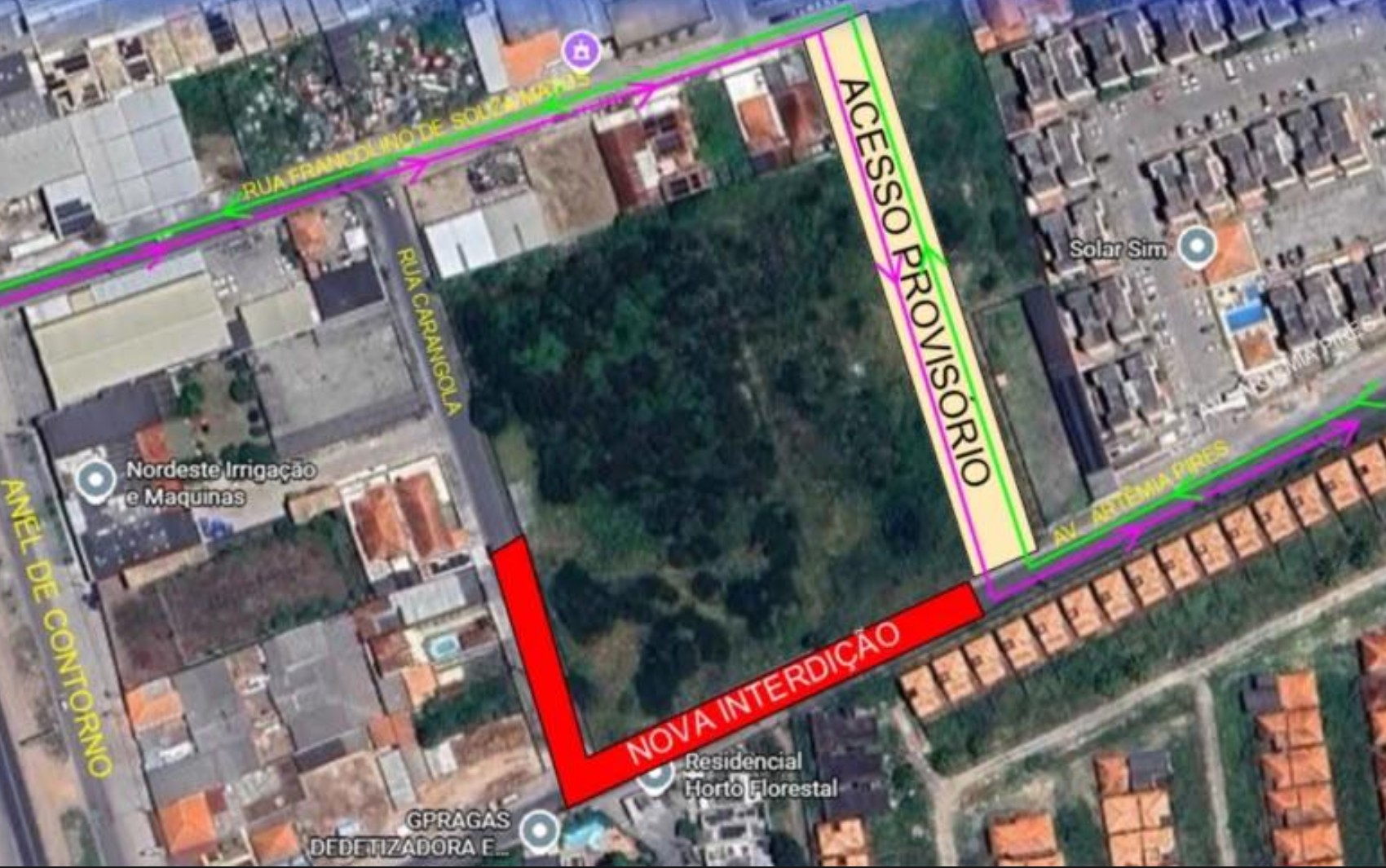
Feira de Santana, the second-largest city in Bahia, has implemented a new traffic alteration on Avenida Artêmia Pires as of Monday, May 27th. Traffic is now being rerouted through a temporary access point, with entry via Rua Francolino de Souza Matos, specifically designed to facilitate ongoing construction work. This change means drivers approaching Avenida Artêmia Pires from the Anel de Contorno will no longer use Rua Carangola to access the neighborhood. The Municipal Transit Superintendency (SMT) confirmed that this alteration is temporary and is a necessary measure to ensure the safety of construction workers. The entire area has been equipped with temporary signage to guide vehicle flow. The SMT advises drivers to exercise increased caution on the new route and to plan their journeys in advance, as these modifications align with the schedule for the duplication of Avenida Artêmia Pires. This avenue duplication is part of a broader urban mobility initiative by the Feira de Santana City Hall, aiming to enhance traffic flow and improve safety for daily commuters in the region.
The traffic rerouting in Feira de Santana for the Avenida Artêmia Pires duplication project highlights the complex interplay between urban development and public infrastructure management. While temporary diversions are standard practice to enable construction, their effectiveness hinges on clear communication and robust safety protocols. The project's stated goal of improving traffic fluidity and safety aligns with broader urban planning trends focused on enhancing livability in growing cities. However, the long-term success will depend on the project's ability to integrate seamlessly with existing transit networks and anticipate future growth patterns, ensuring that the infrastructure investment yields sustainable benefits rather than merely addressing immediate congestion. Evaluating the project's impact over the next decade will require monitoring its effect on commute times, accident rates, and overall urban accessibility.
AI-generated to prompt reflection — not editorial opinion, not advice, not a statement of fact. How this works.