Feira de Santana Launches Rabies Vaccination Campaign for Pets
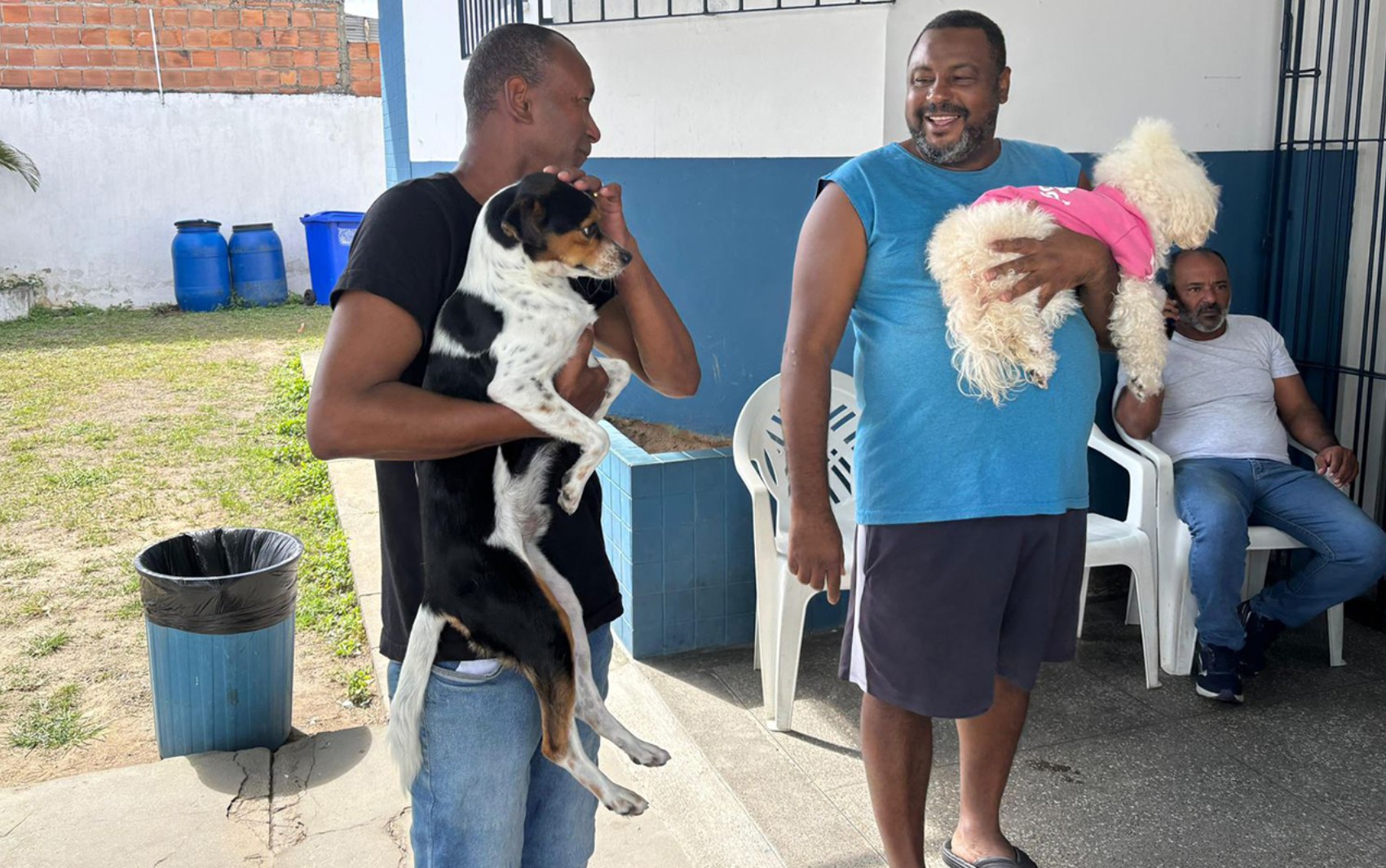
Feira de Santana, the second-largest city in Bahia, Brazil, is launching its rabies vaccination campaign for dogs and cats on Saturday, July 25th. The Municipal Health Secretariat (SMS) is organizing the initiative, which will include weekend mobilizations and ongoing vaccination services at the Zoonoses Surveillance Unit (UVZ) and through mobile outreach in various neighborhoods. The initial phase of the campaign will run from 9 AM to 4 PM and will cover the Papagaio, Caseb, Kalilândia, Conceição, Lagoa Grande, Mangabeira, São João, and Santo Antônio dos Prazeres neighborhoods. Vaccination points will be established at health units, public squares, churches, and community centers. The SMS aims to immunize a total of 58,712 dogs and cats throughout the municipality. According to Gabriel Cavalcante, coordinator of the UVZ, vaccination is the primary method for preventing rabies, a severe viral disease with high fatality rates in both animals and humans once symptoms appear. Pet owners are advised to bring dogs on leashes and use muzzles if necessary, while cats should be transported in appropriate carriers for their safety and that of the vaccination teams. In addition to the mobile efforts, the vaccine will be available weekdays at the UVZ, located on Avenida Eduardo Fróes da Mota in the Pedra do Descanso neighborhood.
This public health initiative in Feira de Santana addresses a critical zoonotic disease, rabies, by implementing a broad vaccination strategy. The campaign's success hinges on effective community engagement and ensuring accessibility across diverse neighborhoods. From a public health systems perspective, the integration of mobile outreach with fixed vaccination sites offers a robust model for disease prevention in urban environments. Looking ahead, sustained funding and public awareness campaigns will be crucial to maintaining high vaccination coverage rates, thereby mitigating the long-term risks associated with rabies transmission and its significant public health and economic implications.
AI-generated to prompt reflection — not editorial opinion, not advice, not a statement of fact. How this works.