Feira de Santana Prison Guards Convicted in Criminal Scheme
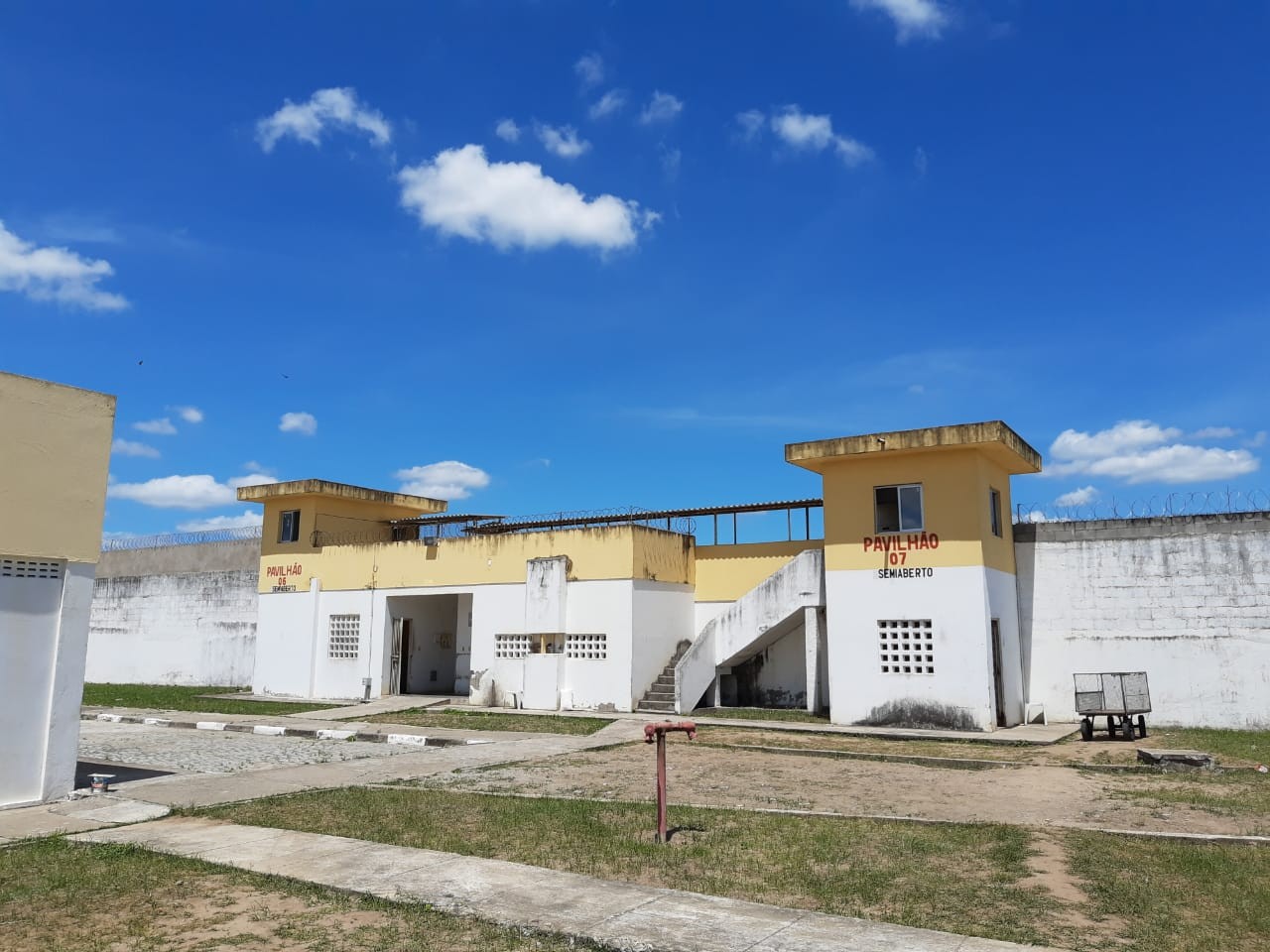
Twelve individuals, including ten prison guards, have been sentenced to prison for their involvement in a criminal scheme at the Feira de Santana Penal Complex in Bahia, Brazil. The group was indicted by the Bahia Public Prosecutor's Office (MP-BA) and was the target of "Operation Sisyphus," conducted between 2023 and 2024. According to the MP-BA, the convicted individuals facilitated the entry of illicit materials into the prison. They were found guilty on Monday, June 6th, of crimes including criminal organization, passive corruption, aiding the entry of cell phones and other illegal items into a correctional facility, drug trafficking, money laundering, and active corruption. The sentences varied based on each person's role in the scheme. Prison guard Valmir Pereira de Jesus, identified as the leader of the criminal group, received a sentence of over 28 years. Other convicted public servants include Vitor Cerqueira de Oliveira, Ednilson Santana Mota, Isaías Gregório de Miranda Filho, Yure Pinheiro Costa, Gildo de Lima Almeida, Valter Ferreira de Almeida, Leandro Calazans Amaral, Rosana Souza de Oliveira, and Luana Priscilla de Jesus Moitinho. The remaining two individuals, Emerson Carmo dos Santos and Genivaldo Reis dos Santos, were convicted of money laundering and criminal organization, and active corruption, respectively. The MP-BA's investigation was triggered by numerous seizures of illicit items, particularly cell phones, drugs, and bladed weapons, found with inmates. Evidence indicated the group had a division of labor, coordinated actions, and methods to conceal illicit gains inconsistent with their declared incomes.
This case highlights systemic vulnerabilities within correctional facilities where personnel can leverage their positions to facilitate illicit activities. The MP-BA's investigation, prompted by increased seizures, suggests a reactive rather than proactive approach to internal security. The conviction of multiple guards and external individuals indicates a potentially entrenched network, raising questions about oversight mechanisms and background checks for correctional staff. Future reforms could focus on enhanced surveillance technology, anonymous reporting channels for staff and inmates, and robust internal affairs investigations to preemptively address corruption and contraband smuggling. The long-term challenge lies in balancing security needs with humane conditions while mitigating the incentives for criminal behavior within the prison system.
AI-generated to prompt reflection — not editorial opinion, not advice, not a statement of fact. How this works.