Feira de Santana Sees Lowest Violent Deaths in 19 Years
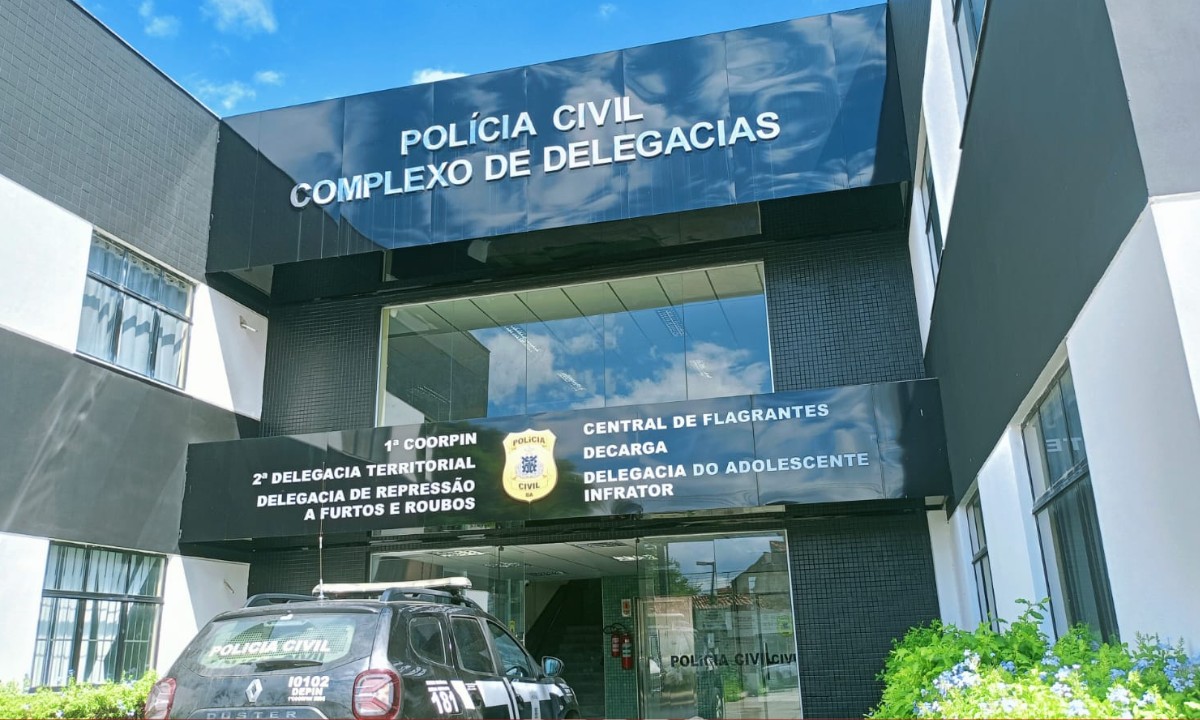
Feira de Santana, the second-largest city in Bahia, Brazil, has recorded its lowest number of intentional violent deaths (CVLIs) in the first half of a year over the past 19 years. Between January and June 2026, the city registered 111 such incidents, marking a 5.93% decrease from the 118 cases recorded in the same period of 2025. This category includes intentional homicides, femicides, robberies resulting in death, and injuries leading to death. The Civil Police (PC) also reported a 43.3% clearance rate for these crimes in Feira de Santana during this period. The previous lowest figure for a first half-year was 110 cases in 2007. The broader region covered by the 1st Regional Coordination of Interior Police (Coorpin), which includes Feira de Santana and eight surrounding municipalities, also experienced a reduction in CVLIs. This area saw a decrease of over 2%, with cases dropping from 139 in the first half of 2025 to 136 in the first half of 2026. The crime clearance rate in this larger region exceeded 45%. According to the regional coordinator, Police Chief Rafael Almeida, these positive outcomes are attributed to strengthened investigations and integrated security force operations.
The reported decline in intentional violent deaths in Feira de Santana and its surrounding region suggests a potential positive impact of enhanced investigative efforts and inter-agency cooperation within the security forces. Examining the long-term trend, the data indicates a significant achievement in public safety compared to nearly two decades ago. However, it is crucial to consider the broader socio-economic factors that may influence crime rates, such as poverty, inequality, and access to opportunities, which are not detailed in this report. Sustaining these reductions will likely require a multi-faceted approach that includes not only law enforcement but also social development initiatives. The effectiveness of clearance rates also warrants ongoing scrutiny to ensure thorough and just legal processes are being followed.
AI-generated to prompt reflection — not editorial opinion, not advice, not a statement of fact. How this works.