Feline Acne: Causes, Treatments, and Prevention Explained by a Veterinarian
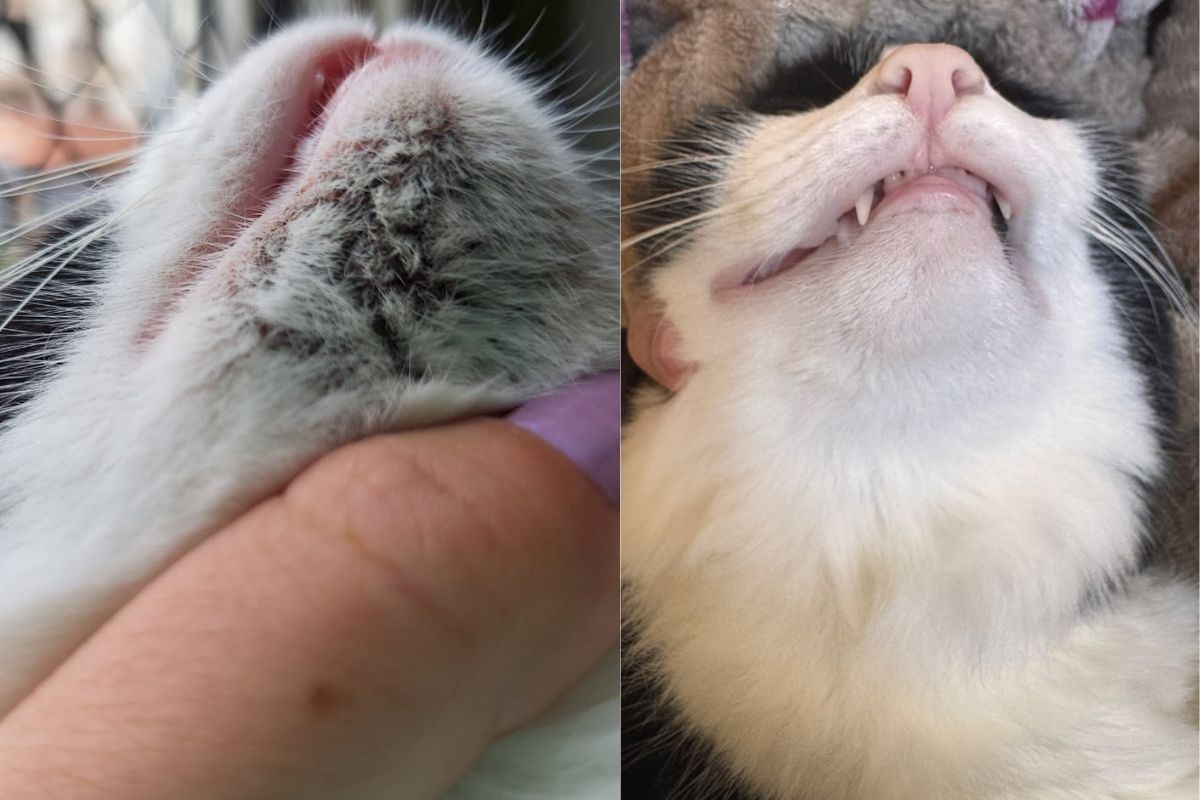
Feline acne, characterized by blackheads on a cat's chin, is a condition distinct from human acne, primarily affecting the chin area. The initial inflammatory process involves keratin buildup within hair follicles, leading to 'comedones' or blackheads. This obstruction can progress to follicular rupture and subsequent bacterial infection, worsening the condition. While the exact cause remains unclear, potential contributing factors include allergic dermatopathies, parasitic infections, sebaceous gland accumulation, poor hygiene in elderly or immunocompromised cats, and stress. Treatment varies based on lesion severity, ranging from local cleaning and antiseptics to antibiotics. Feline acne is considered relatively common, and while cats are generally less prone to skin issues than dogs, increased cat ownership has led to more veterinary consultations for the species. Some cats experience chronic or recurring acne, necessitating ongoing maintenance treatment and frequent local hygiene. The condition is not transmissible to other animals or humans, but dermatological treatments for cats must be individualized due to their lower tolerance for manipulation compared to dogs. Prevention strategies emphasize local hygiene and general health maintenance, including regular inspections for early intervention. A key preventative measure highlighted by a veterinarian and a cat owner involves switching from plastic food and water bowls to those made of stainless steel, porcelain, or glass, as plastic can be porous, harbor bacteria, and contribute to the problem. Regular cleaning of these bowls is crucial.
Feline acne, a common dermatological issue in cats, presents an opportunity to examine the interplay between environmental factors, animal hygiene, and underlying health conditions. The article highlights the importance of material choice for feeding bowls, suggesting that plastic's porous nature may foster bacterial growth, thus exacerbating acne. This points to a broader principle in animal care: the need for materials that facilitate hygiene and minimize microbial proliferation. The discussion on stress and immune status also underscores the systemic nature of skin health, indicating that dermatological problems can be symptomatic of broader wellness issues. From a public health perspective, understanding and managing common feline conditions like acne contributes to overall animal welfare and can reduce the burden on veterinary services. Future considerations may involve advancements in diagnostic tools and preventative care strategies that address both environmental triggers and individual cat health profiles.
AI-generated to prompt reflection — not editorial opinion, not advice, not a statement of fact. How this works.