Felipe Araújo Concert Canceled in Boa Vista Due to Heavy Rain and Safety Concerns
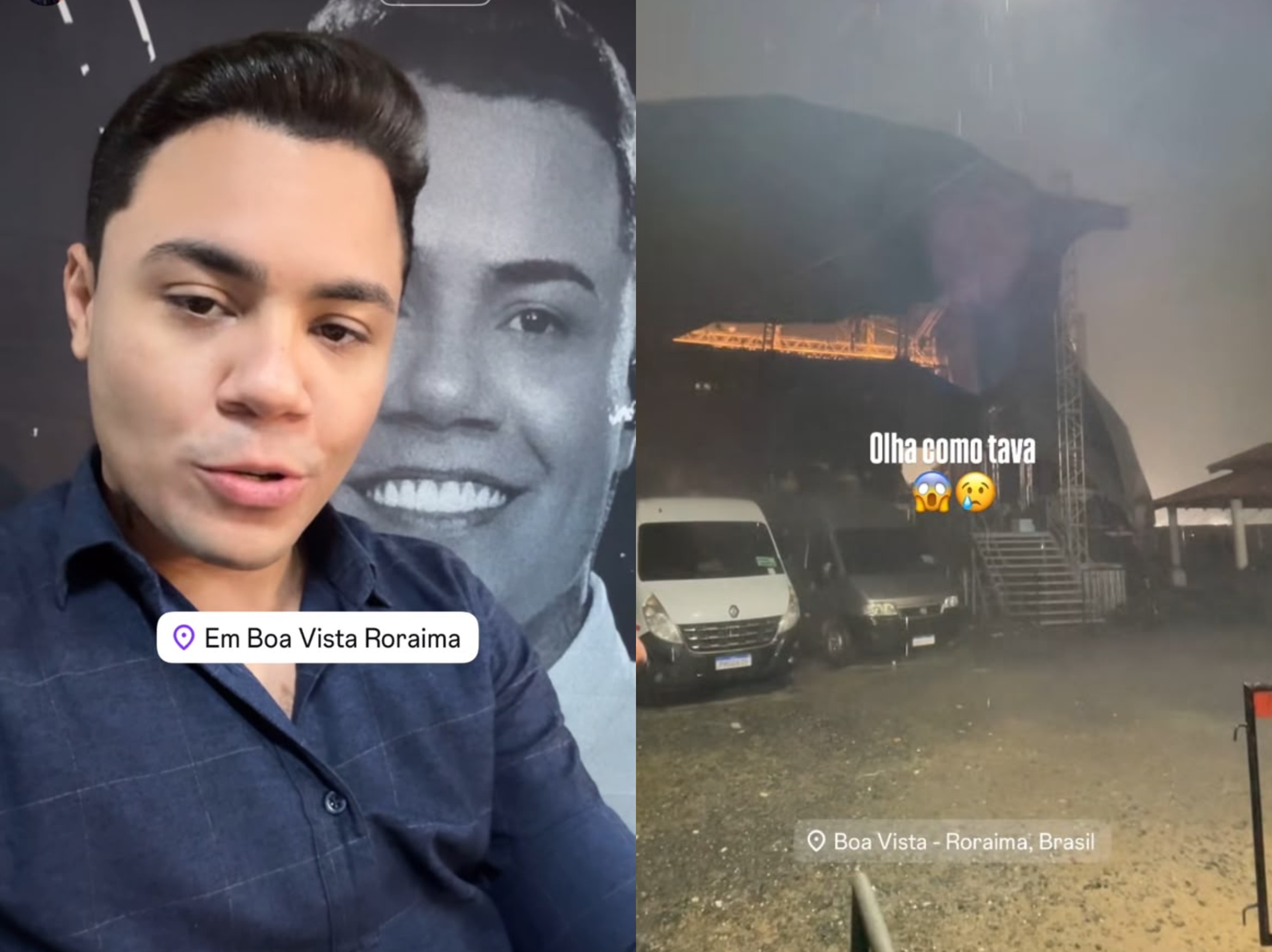
The highly anticipated concert by sertanejo singer Felipe Araújo at the São João no Parque Anauá in Boa Vista, Roraima, was canceled on Thursday night, June 2, due to severe rainfall. The decision was made by the Secretariat of Culture and Tourism (Secult) based on a technical assessment by the Military Fire Department, which identified unsafe conditions for the event, particularly concerning electrical equipment. The show was scheduled to commence at 11 PM. In a social media video, Felipe Araújo, who celebrated his 31st birthday on the same day, confirmed the postponement and assured fans that a new date would be scheduled. He expressed his disappointment at not being able to perform, especially on his birthday, but emphasized that safety was paramount. The Secult indicated that the rescheduling would depend on the artist's availability in the second half of 2026. In addition to Araújo's concert, the quadrilha performances planned for the Arena Junina were also postponed to Friday, June 3, for safety reasons. Images circulating on social media depicted water entering the arena through the roof. The heavy rains, which persisted from Thursday night into Friday morning, caused flooding in various parts of Boa Vista, affecting neighborhoods like Aparecida. According to the Municipal Civil Defense, national monitoring systems recorded approximately 30 millimeters of rain between 11 PM and midnight, with a 24-hour accumulation of around 40 millimeters. The only reported incident related to the weather was a fallen tree in the Santa Tereza neighborhood, which was subsequently removed by emergency services.
The cancellation of the Felipe Araújo concert highlights the critical interplay between public events, weather unpredictability, and safety infrastructure. While the immediate cause was heavy rainfall, the decision underscores the necessity for robust risk assessment protocols, especially concerning electrical installations in outdoor venues. Future event planning in regions prone to extreme weather should integrate advanced meteorological forecasting and contingency measures more deeply into operational frameworks. This event serves as a reminder that while cultural and entertainment offerings are vital, ensuring the safety of attendees and performers through proactive infrastructure and emergency preparedness remains the primary responsibility of organizers and municipal authorities.
AI-generated to prompt reflection — not editorial opinion, not advice, not a statement of fact. How this works.