Female Hair Transplants: When the Procedure is Indicated
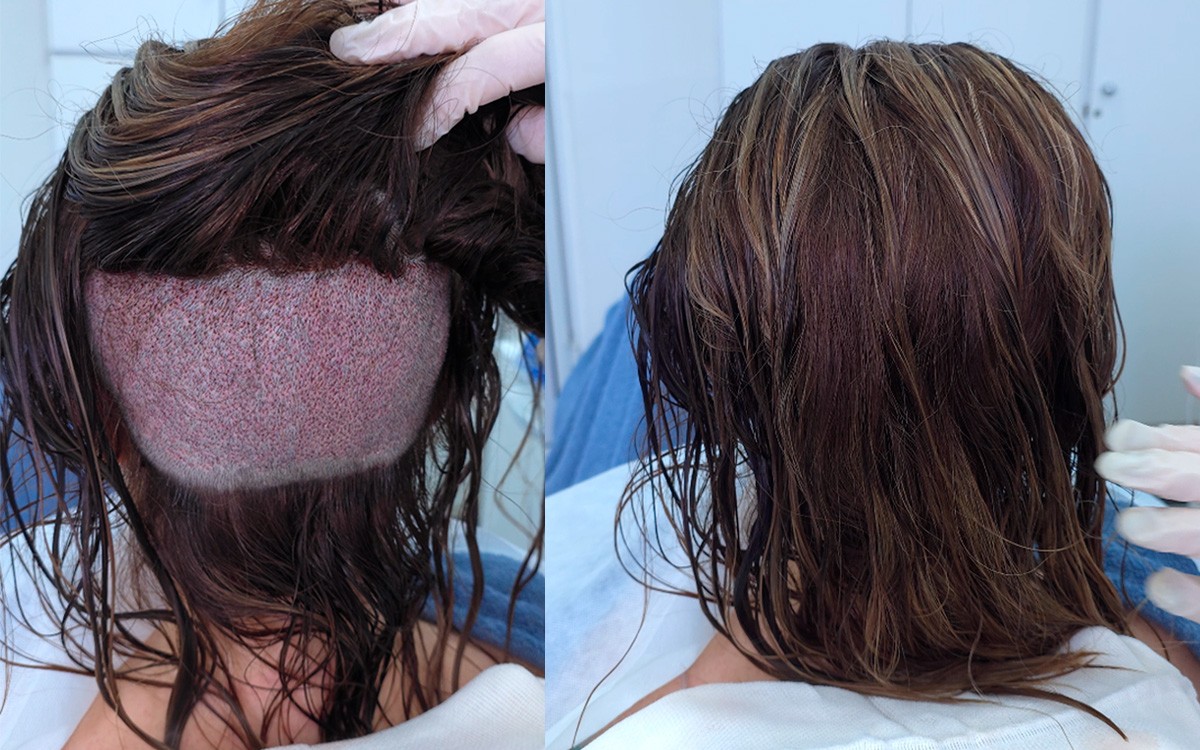
Hair transplantation in women is a viable surgical option, but it requires careful evaluation and specific indications. The procedure involves transferring hair follicles from a dense area to regions experiencing thinning or hair loss. Unlike the common association with male pattern baldness, female hair loss can stem from various causes, and not all are suitable for surgical intervention. Key factors for consideration include a proper diagnosis, the stability of the hair loss condition, and the availability of a compatible donor area with sufficient follicle density.
Specific situations where a hair transplant may be indicated for women include localized hair thinning, a naturally high hairline or proportionally large forehead, hair loss due to stabilized scars from trauma or surgery, traction alopecia without active inflammation, eyebrow thinning, certain types of female pattern alopecia, and correction of previous procedures. Female pattern alopecia, or androgenetic alopecia, typically causes a progressive decrease in hair thickness and density, often presenting as diffuse thinning across the scalp rather than a distinct receding hairline. This diffuse pattern makes assessing the donor area's sufficiency even more critical for achieving desired coverage.
However, hair transplants do not address all types of hair loss. Temporary, diffuse, or active hair loss conditions usually require identifying and managing the underlying cause before surgery is considered. This includes conditions like telogen effluvium, hair loss linked to hormonal or nutritional imbalances, active alopecia areata, active cicatricial or inflammatory alopecias, diseases affecting the donor area, or hair loss without a clear diagnosis. Hair transplantation is also possible in scarred areas, but it necessitates specialized planning due to potential differences in blood supply and skin characteristics. When indicated, the procedure aims for a natural appearance, considering facial features, hairline design, and hair growth patterns, often using techniques that minimize visible disruption during recovery.
This article clarifies the nuanced indications for hair transplantation in women, distinguishing it from male pattern baldness. The analysis highlights that while surgical intervention can restore confidence and address specific aesthetic concerns, it is not a universal solution for all forms of female hair loss. The emphasis on thorough diagnosis, donor site assessment, and the stability of the underlying condition underscores the importance of a patient-centered, evidence-based approach. Future considerations may involve advancements in regenerative medicine or less invasive techniques to further enhance outcomes and accessibility for women experiencing hair loss, particularly as societal perceptions of beauty continue to evolve and the demand for personalized aesthetic procedures grows.
AI-generated to prompt reflection — not editorial opinion, not advice, not a statement of fact. How this works.