Femtosecond Laser Precisely Cuts Crickets Without Heating
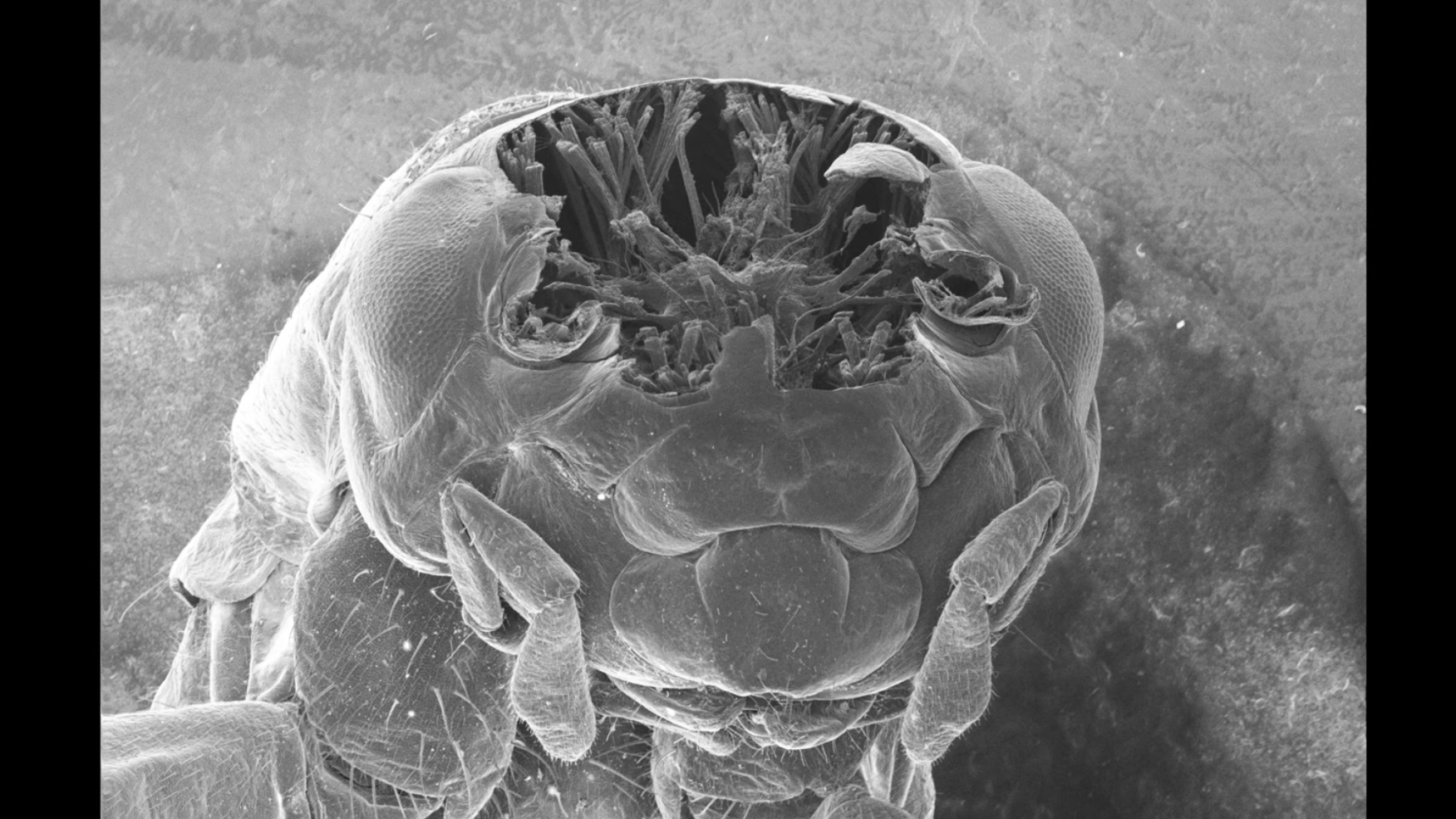
Researchers have utilized a femtosecond laser to precisely cut through cricket specimens. Unlike conventional cutting lasers that rely on heat to vaporize material, femtosecond lasers operate by emitting extremely short and intense pulses of light. This rapid ablation process occurs so quickly that the surrounding material does not have time to heat up, preventing thermal damage. This technique allows for highly accurate cross-sections of biological samples like crickets to be created. The study demonstrates a novel method for preparing specimens for detailed analysis. This advanced laser technology offers a non-destructive way to examine the internal structures of insects. The precision achieved could be valuable for entomological research and other scientific fields requiring fine sample preparation. The ability to cut without significant heat transfer is a key advantage over traditional methods.
This application of femtosecond laser technology showcases a significant advancement in precision cutting for biological samples. By minimizing thermal effects, the technique preserves the integrity of delicate structures, which is crucial for accurate scientific observation and analysis. This method could potentially reduce sample preparation artifacts seen in other cutting techniques, leading to more reliable research outcomes. The development highlights a broader trend toward non-invasive or minimally invasive scientific tools, driven by the demand for higher resolution and fidelity in data acquisition across various disciplines, including biology, materials science, and medicine. Future research may explore scaling this technology for more complex biological systems or integrating it with advanced imaging modalities.
AI-generated to prompt reflection — not editorial opinion, not advice, not a statement of fact. How this works.