Feral Cat Known for Devastating Wildlife Finally Captured After Three-Year Hunt
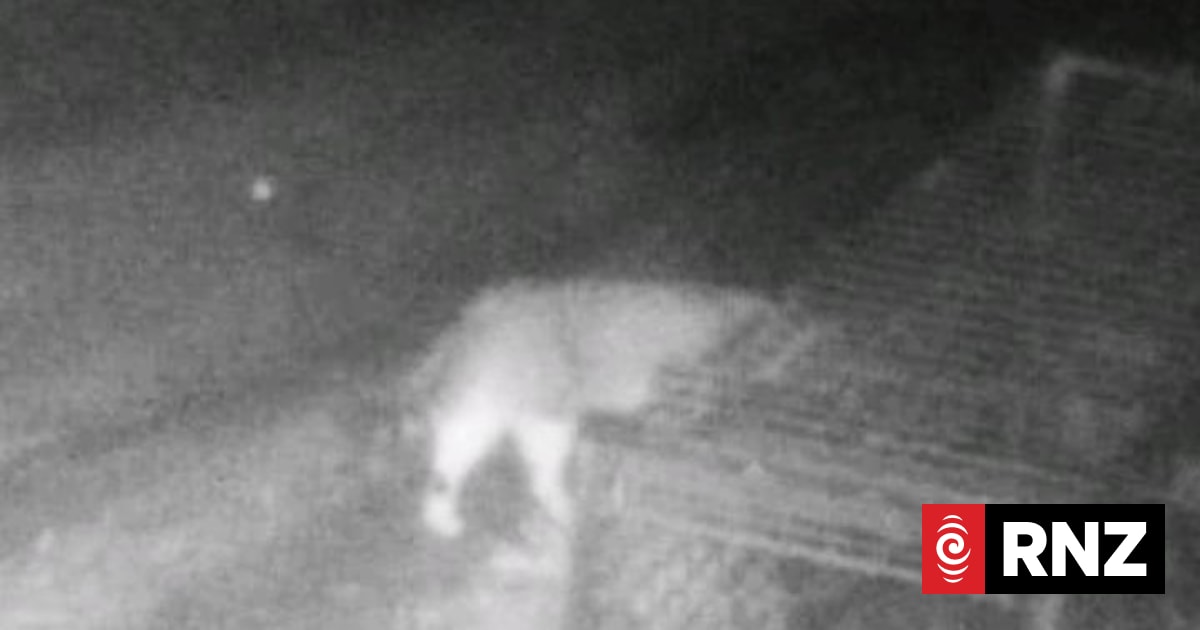
A feral cat, nicknamed 'Nine Lives' for its prolific hunting, has been captured after a three-year effort by wildlife authorities. The cat was believed to be responsible for the deaths of approximately 75% of the rare pāteke, also known as the brown teal, that were released on the Purerua Peninsula. This peninsula is located in the northern part of New Zealand's Bay of Islands. The pāteke is a vulnerable species, and its population recovery is a significant conservation concern. The extended duration of the hunt highlights the challenges faced in managing invasive predators in delicate ecosystems. The capture of 'Nine Lives' is considered a crucial step in protecting the remaining pāteke population on the peninsula and allowing for future reintroductions. Conservationists hope this success will bolster efforts to control other invasive species that threaten native wildlife.
The capture of the feral cat 'Nine Lives' represents a localized success in the ongoing global challenge of managing invasive species. While the immediate impact is positive for the pāteke population on the Purerua Peninsula, the three-year effort underscores the resource intensity and difficulty of eradicating or even controlling highly adaptable predators. This event prompts reflection on the long-term strategies required for biodiversity protection, particularly in island or isolated ecosystems. Future conservation efforts may need to focus on more proactive, systemic solutions, such as enhanced biosecurity measures and habitat management, rather than reactive, protracted hunts. The incident also highlights the significant ecological impact that a single, highly effective predator can have on vulnerable native species, emphasizing the need for robust, ongoing monitoring and intervention programs.
AI-generated to prompt reflection — not editorial opinion, not advice, not a statement of fact. How this works.
