Fernando de Noronha Administration Seeks Meeting with ANAC on Tourist and Flight Limits
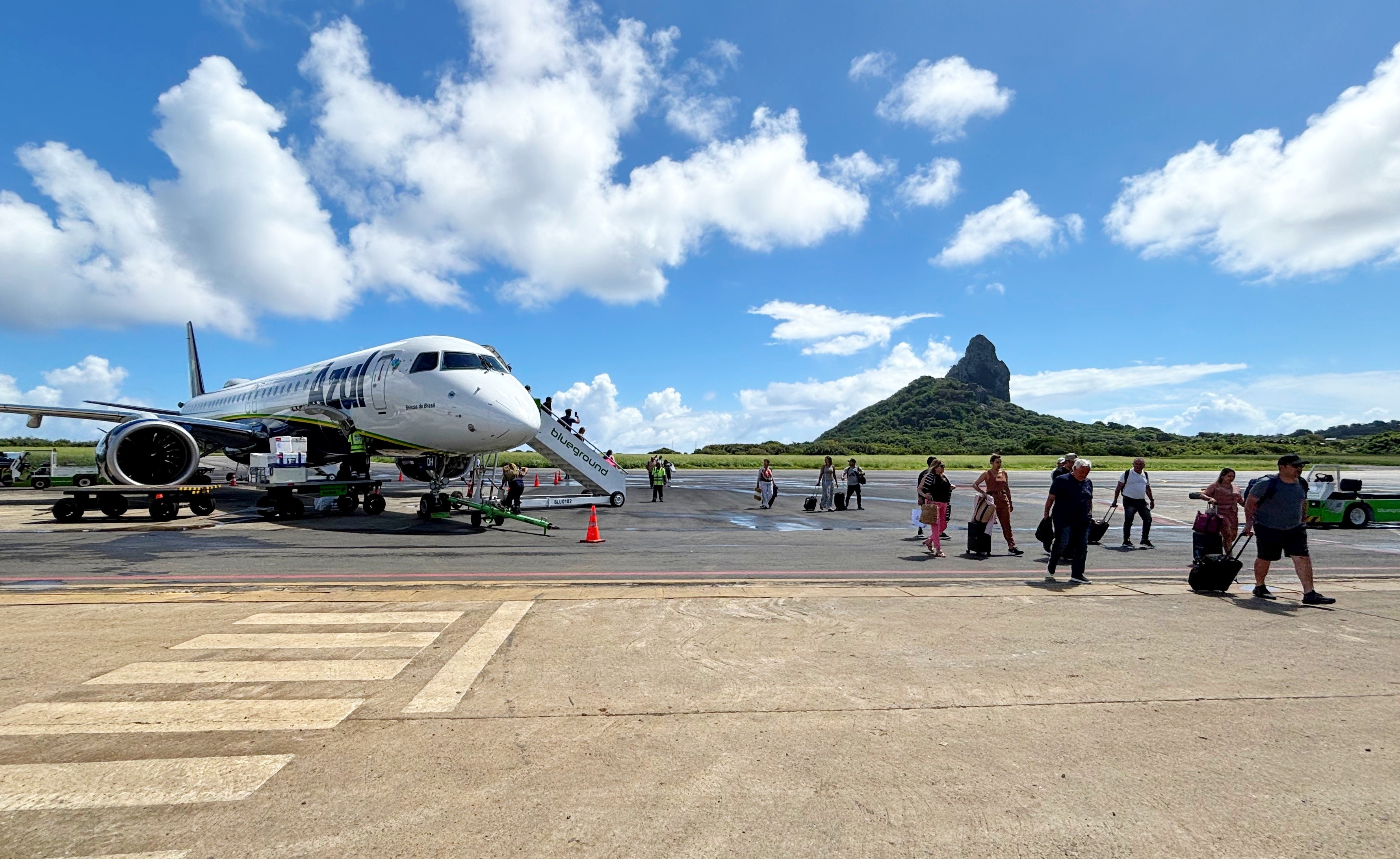
The Administration of Fernando de Noronha has formally requested a meeting with the National Civil Aviation Agency (ANAC) to address concerns regarding the number of flights and tourists visiting the island. The primary objective is to find solutions that align the tourist flow with the limits established in a shared management agreement, while also increasing flight capacity for local residents and service providers. In 2025, Fernando de Noronha hosted 139,901 visitors, exceeding the annual limit of 132,000 tourists stipulated by the agreement, which was also approved by the Supreme Federal Court (STF). This accord also dictates that the island should not receive more than 11,000 tourists per month, a threshold that was surpassed in eight out of twelve months last year. The local government stated that the meeting aims to mediate discussions on these visitor limits, which were initially set to ensure environmental preservation and the proper functioning of essential services like water, sanitation, and infrastructure. ANAC has confirmed receipt of the request and is organizing a meeting to review the proposals. The Chico Mendes Institute for Biodiversity Conservation (ICMBio) is also involved, advocating for measures that facilitate resident travel, such as easier ticket purchases and advance sales, alongside a regular flight route to Natal (RN), a long-standing resident request. ICMBio also stresses that airline seat capacity must respect the island's visitor limits, both monthly and annually, and is participating in discussions with the government and ANAC. The Management Committee, comprising ICMBio and the Pernambuco Government, is also examining the issue, with airlines like Azul and Gol stating they operate within current regulations and in coordination with local authorities regarding resident allocations.
The situation in Fernando de Noronha highlights a common tension between economic activity, ecological preservation, and resident needs in popular tourist destinations. The shared management agreement, while intended to balance these factors, appears to be strained by actual visitor numbers exceeding stipulated limits. This suggests potential challenges in enforcement, monitoring, or the initial calibration of the agreement's parameters. Future strategies may need to incorporate more dynamic capacity management, potentially leveraging technology for real-time tracking and adaptive adjustments to flight schedules or visitor access. The involvement of multiple governmental bodies and airlines indicates a complex governance structure, where aligning incentives for environmental stewardship with commercial aviation interests remains a critical challenge. The demand for increased resident access versus strict environmental limits presents a systemic contradiction that requires innovative policy solutions to ensure long-term sustainability and equitable access.
AI-generated to prompt reflection — not editorial opinion, not advice, not a statement of fact. How this works.
