Fernando de Noronha Council to Address Shark Population Surge and Safety Concerns
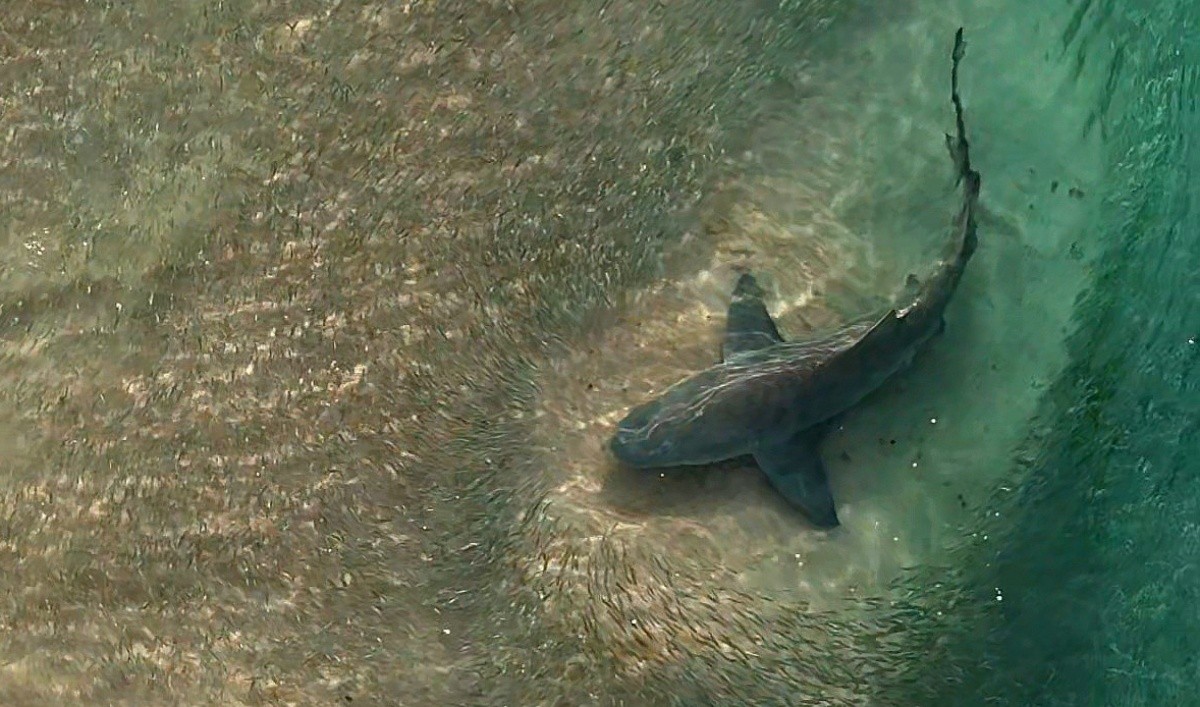
The District Council of Fernando de Noronha is convening a meeting on August 4th to discuss a noticeable increase in the shark population around the island. Researchers, local authorities, and residents will gather to explore safety measures, monitoring strategies, and potential animal management techniques. The meeting, scheduled for 2 PM at the council's headquarters, aims to address concerns raised by various stakeholders, including the Chico Mendes Institute for Biodiversity Conservation (ICMBio), the Noronha Administration, the Fishermen's Association, the Tourism Council, the State Committee for Monitoring Shark Incidents (Cemit), and the Public Prosecutor's Office of Pernambuco (MPPE).
Milton Luna, President of the District Council, highlighted that the surge in sharks is impacting local fishing activities, as sharks are preying on already caught fish before they can be brought ashore. The council also plans to discuss the ongoing prohibition of swimming at Sueste Bay, a measure implemented after a severe shark attack in 2022 that resulted in an 8-year-old girl losing a leg. Previous incidents, including a 2015 attack where a tourist's arm was amputated, and a more recent minor leg injury to a lawyer in January 2023 while diving, underscore the urgency of these discussions. The council seeks to find solutions and alternatives for the affected areas, acknowledging the broader challenges faced by the Pernambuco coastline regarding shark-related incidents.
The Fernando de Noronha council's planned discussion on increased shark populations and related safety incidents reflects a common challenge in coastal ecosystems where human activity and wildlife habitats intersect. The focus on 'management' and 'safety' suggests a need to balance ecological preservation with public safety and economic interests, particularly tourism and fishing. Future strategies will likely involve evaluating the effectiveness of current monitoring and prohibition measures, considering scientific data on shark behavior and population dynamics, and potentially exploring non-lethal deterrents or revised access policies. The long-term sustainability of both the marine environment and local livelihoods will depend on adaptive management informed by ongoing research and community engagement, navigating the inherent complexities of coexisting with apex predators in a popular tourist destination.
AI-generated to prompt reflection — not editorial opinion, not advice, not a statement of fact. How this works.