Fernando de Noronha District Council Opens Candidate Registrations for Election
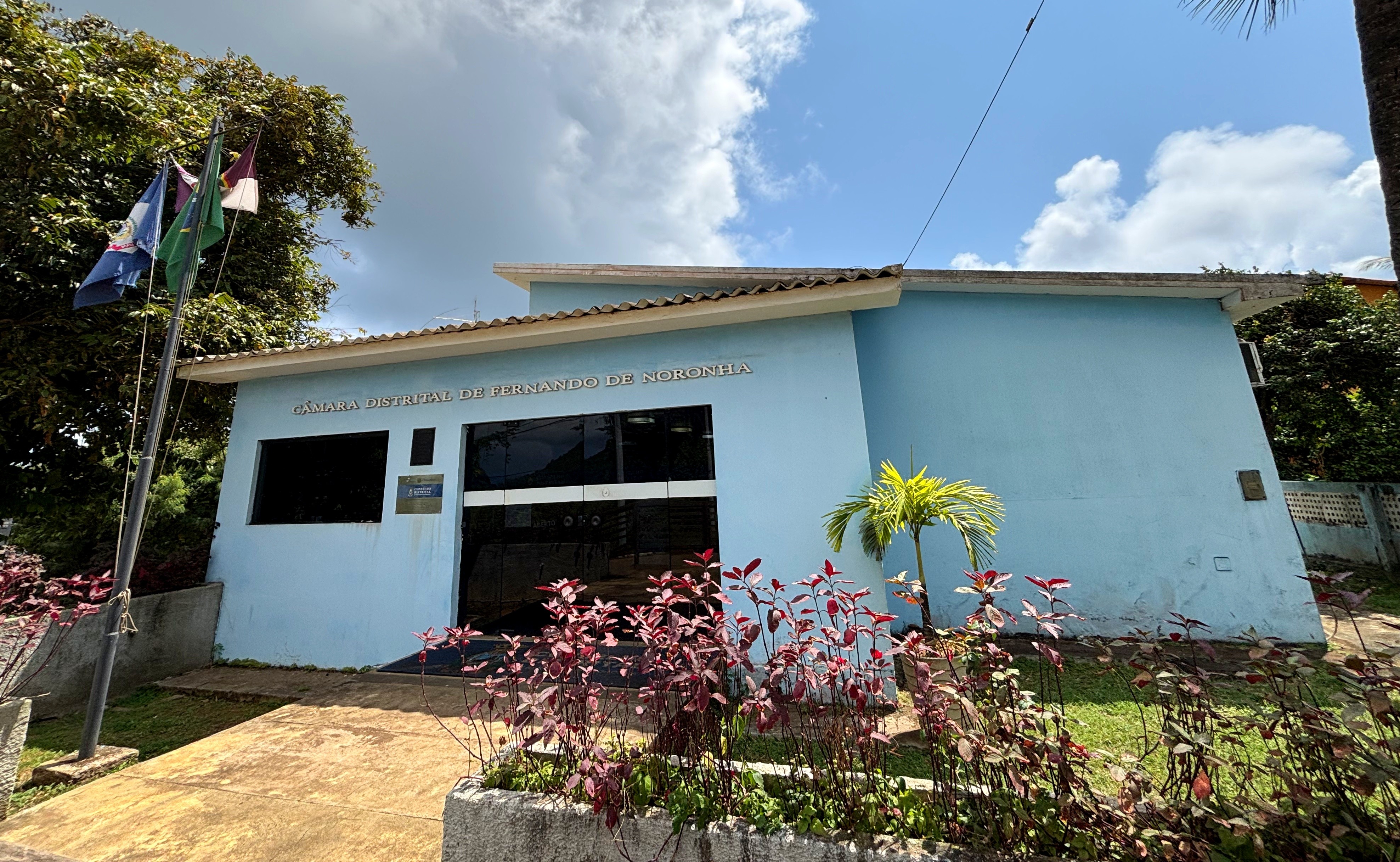
The District Council of Fernando de Noronha has announced the opening of registrations for candidates interested in running for one of the seven available seats on the council. The registration period will run from August 3rd to August 11th, with applications accepted between 9 AM and 4 PM at the District Council's Commission Room in Floresta Velha. The election itself is scheduled for October 4th, coinciding with general elections, and the elected council members will serve a four-year term.
According to Milton Luna, President of the Council, the Regional Electoral Court (TRE) mandates that the District Council manage the entire election process, including candidate registration, appeals, and oversight, before submitting the final list for homologation. Eligible candidates must be Brazilian citizens, possess electoral domicile in Fernando de Noronha, be in full exercise of their political rights, and be at least 18 years old by the date of taking office. Required documents include an application form, recent photo, asset declaration, electoral title, and various judicial certificates.
This election introduces a change in candidate identification on electronic voting machines, with candidates now assigned three-digit numbers (100-899, excluding 880-889) instead of two, as mandated by the Superior Electoral Court (TSE). Candidates can use their first name, last name, nickname, or commonly known name, provided it does not cause confusion or violate electoral laws. The District Council serves as the voice of Noronha's residents, discussing proposals, monitoring administrative actions, overseeing public policies, and channeling community demands to the appropriate authorities.
The upcoming election for the Fernando de Noronha District Council highlights a localized governance structure designed to represent island residents. The process, overseen by the council itself under TRE guidance, emphasizes direct citizen participation in policy discussion and oversight. This model, while fostering local representation, operates within the broader national electoral framework, including standardized identification procedures for electronic voting. The requirement for candidates to provide extensive documentation, including asset declarations and judicial clearances, aims to ensure transparency and accountability. Future considerations for such island governance models might involve exploring enhanced digital platforms for broader participation and information dissemination, alongside robust mechanisms for ensuring equitable representation and resource allocation in the face of unique environmental and logistical challenges.
AI-generated to prompt reflection — not editorial opinion, not advice, not a statement of fact. How this works.