Fernando de Noronha Dolphin Population Drops 59%, Study Reveals
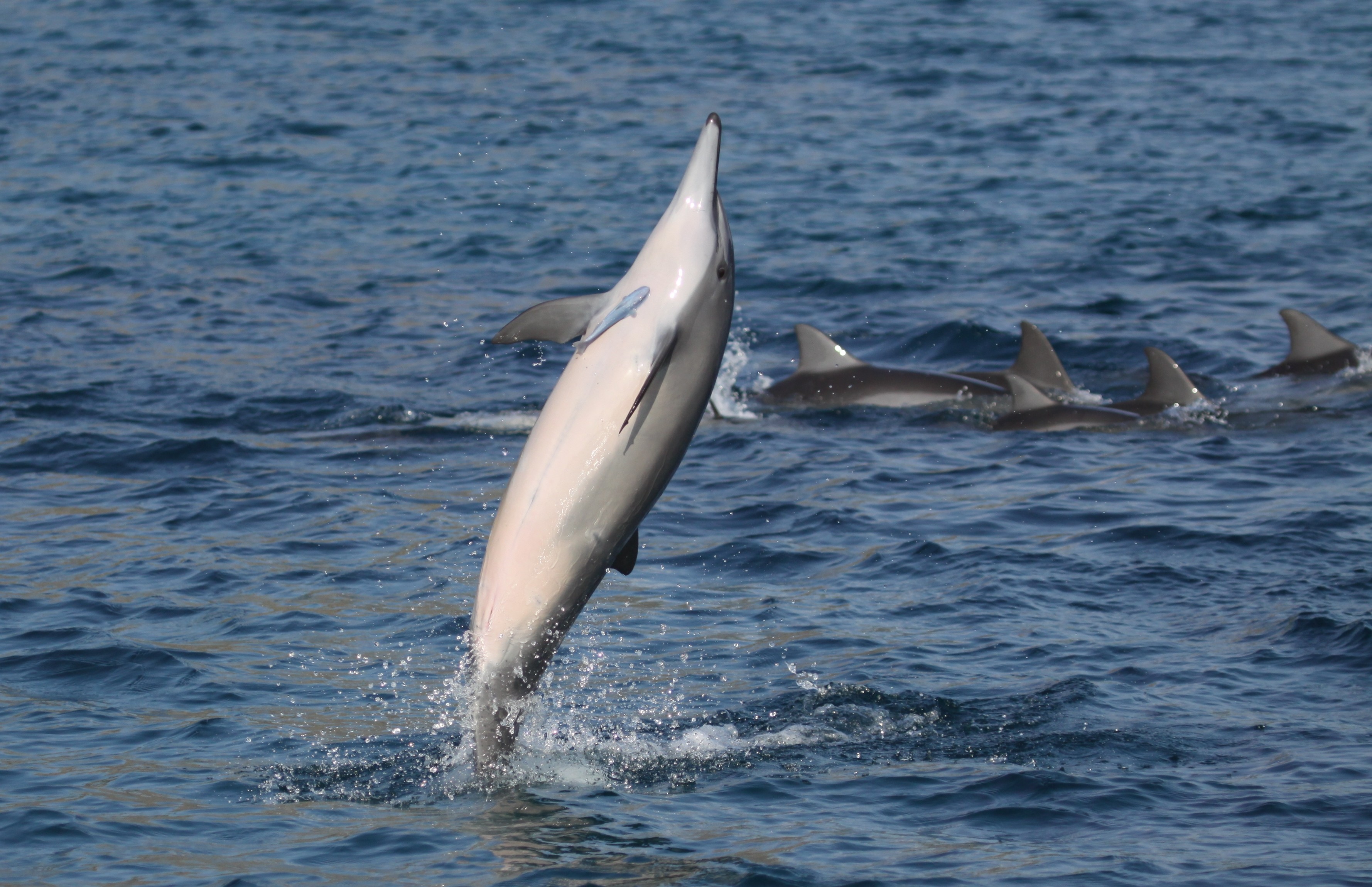
A recent study by the Rotador Dolphin Project has documented a significant 59% decrease in dolphin presence in Fernando de Noronha, Brazil, marking the lowest occupancy rate since monitoring began over 30 years ago. The year 2025 saw this sharp decline, a concerning shift from decades of stability where dolphins were observed nearly every day. Researchers are investigating multiple potential causes for this reduction, including climate change, increased tourism, and a rise in tiger shark activity. Historically, hundreds of spinner dolphins frequented bays like Baía dos Golfinhos and Baía de Santo Antônio for rest, socialization, and raising young. However, observations since 2006 indicated changes in their behavior, with reduced time spent in resting areas. In 2025, the Baía dos Golfinhos saw a drop from an average of 311 dolphins per day to 129, while Baía de Santo Antônio and the Entre Ilhas region experienced a 45% reduction, from 461 to 258 dolphins daily. Oceanographer José Martins, coordinator of the project, emphasized that the decline signifies a break in a long-standing, stable pattern, requiring serious scientific attention. The study highlights that this observed drop is statistically distinct from natural fluctuations seen between 2004 and 2024. Potential contributing factors include ocean warming affecting food chains, increased tiger shark presence potentially displacing dolphins, and the record-breaking 139,901 tourists visiting in 2025, which may lead to increased boat traffic disrupting dolphin behavior and increasing stress. The project, established in 1990, also notes the species' low genetic diversity as a potential vulnerability.
The observed 59% decline in dolphin presence at Fernando de Noronha, as documented by the Rotador Dolphin Project, warrants careful consideration of interconnected ecological and anthropogenic pressures. The confluence of climate change impacts on marine food webs, potential shifts in predator-prey dynamics with tiger sharks, and the escalating tourism footprint, which exceeded carrying capacity limits in 2025, presents a complex challenge. This situation underscores the fragility of island ecosystems and the need for adaptive management strategies that balance conservation goals with economic activities. Future research should focus on disentangling the relative contributions of these factors and exploring innovative solutions that mitigate human impact while ensuring the long-term viability of this dolphin population and its habitat, particularly in the context of an increasingly crowded ocean.
AI-generated to prompt reflection — not editorial opinion, not advice, not a statement of fact. How this works.