Fernando de Noronha Farmers Accuse Neoenergia of Breaking Solar Project Agreement
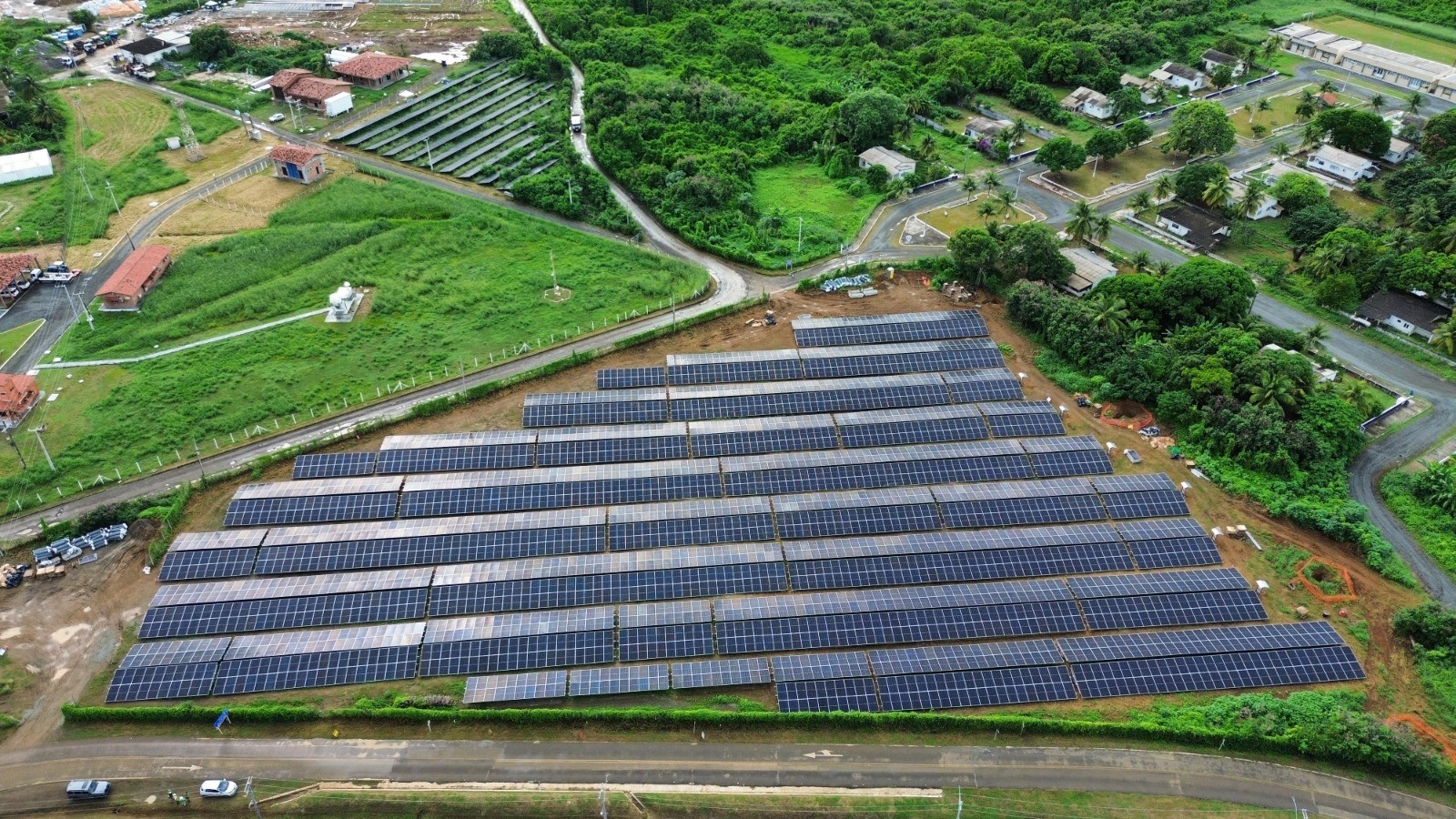
The Association of Farmers of Fernando de Noronha claims that Neoenergia, the island's energy concessionaire, has failed to fulfill its agreed-upon obligations for the 'Noronha Verde' solar project. Farmers ceded six hectares of land, previously used for food production, for the installation of solar panels. In return, Neoenergia committed to several improvements for local agriculture, including electrifying agricultural areas, renovating the Farmers' Association headquarters, building technician housing, installing fences, and dredging a reservoir. According to the association's president, Lourdes Sampaio, these promised works have not been executed, despite the ongoing installation of the solar plant. Neoenergia denies these accusations, stating that all contractual counter-obligations are being met as agreed. The company claims two counter-obligations have already begun, with a third to be completed in August, and that reservoir dredging requires environmental licensing. The first phase of the 'Noronha Verde' project, involving 4,800 solar panels near the airport, was delivered in May, with the full project expected to conclude by the end of 2026 with an investment of R$ 350 million. Farmers express feeling wronged, citing that the dredging is scheduled for 2027, after the project's completion. Both the ICMBio and the Administration of Fernando de Noronha are monitoring the situation and holding meetings with the involved parties to ensure the counter-obligations are met.
This situation highlights a common tension between large infrastructure projects and local community agreements. The 'Noronha Verde' project aims to decarbonize Fernando de Noronha's energy matrix, a laudable environmental goal. However, the dispute over promised agricultural counter-obligations suggests a potential misalignment in project planning or execution. While Neoenergia cites logistical challenges and licensing requirements, the farmers' perception of being 'wronged' points to a communication breakdown and differing interpretations of the agreement's timeline and priorities. Future large-scale renewable energy projects could benefit from more robust, transparent, and collaboratively developed implementation plans for community benefit agreements, ensuring that local stakeholders' needs are integrated from the outset and that timelines for reciprocal actions are clearly defined and adhered to, thereby fostering greater trust and sustainable development.
AI-generated to prompt reflection — not editorial opinion, not advice, not a statement of fact. How this works.