Fernando de Noronha Inaugurates New Sewage Treatment Plant, Boosting Coverage
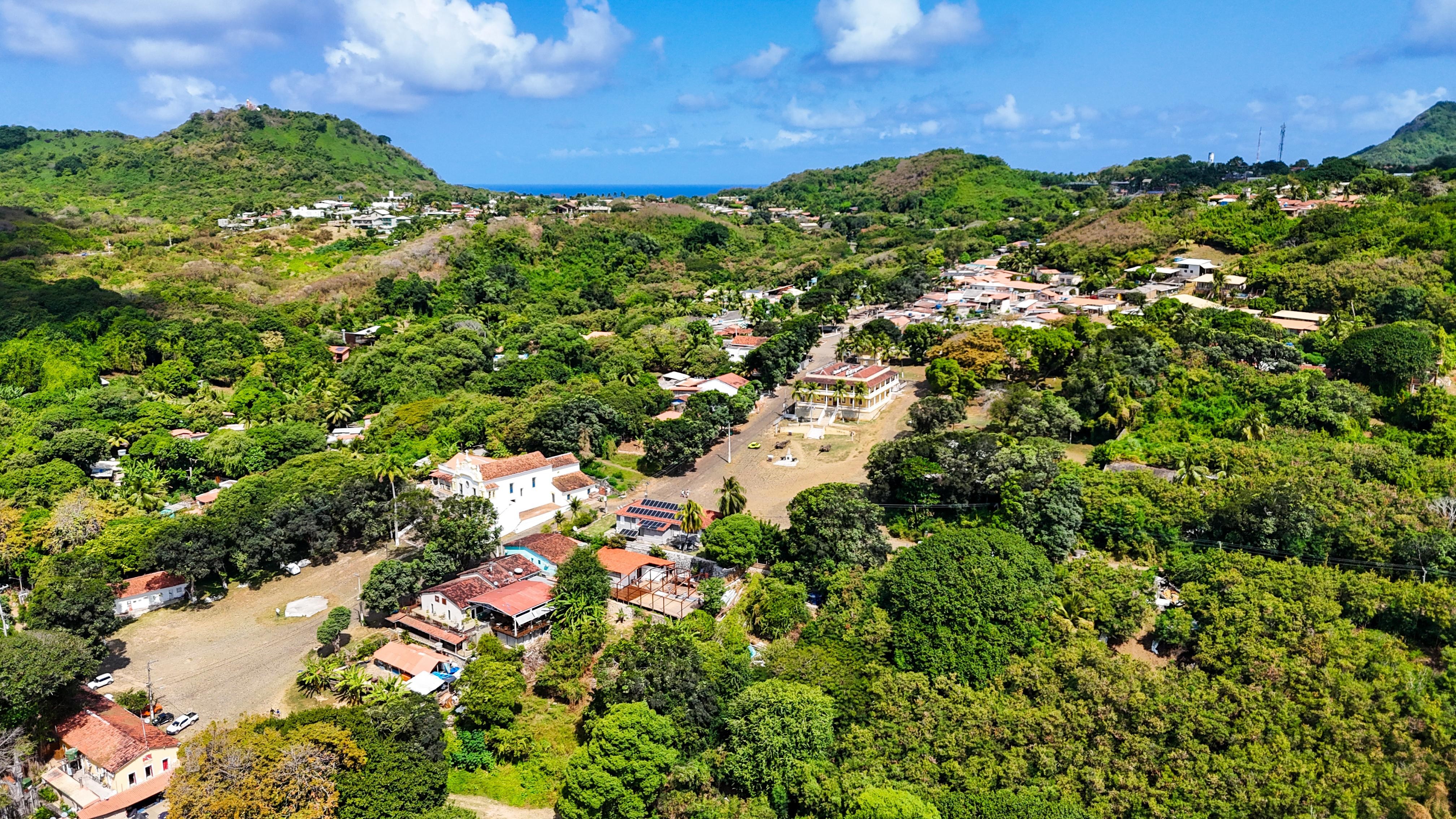
Fernando de Noronha has begun operations at its new Boldró Sewage Treatment Plant (ETE), marking a significant expansion of the island's sanitation infrastructure. The project, costing R$ 21 million, was completed by Companhia de Saneamento de Pernambuco (Compesa) and has increased sewage network coverage from 63.7% to 70% of the island. Approximately 2,000 residents are expected to benefit from this upgrade. The plant has been in an assisted operation phase since early July, a three-month period designed to ensure all equipment functions correctly. Currently, the plant is operating at about 20% of its capacity, with potential for expansion upon the construction of a complementary collection network. This future network could extend sewage treatment to the neighborhoods of Vacaria, Três Paus, Basinha, Vai Quem Sabe, and the Sueste region. The expansion of this network is slated to be managed by a private company that will assume water supply and sewage services on the island, with the concession expected to begin in October. The remaining 30% of properties not yet connected to the Compesa network currently rely on individual treatment systems, such as septic tanks. Additionally, Fernando de Noronha now features its own laboratory for analyzing treated sewage on-site, eliminating the need to send samples to Recife. Initial analyses indicate the plant is meeting required quality standards.
The commissioning of the Boldró Sewage Treatment Plant in Fernando de Noronha represents a strategic investment in public health and environmental sustainability for the island. By increasing sewage coverage and introducing on-site laboratory analysis, the project addresses critical infrastructure gaps. The phased approach to operation and the planned transfer to private concession highlight a common governance model for optimizing public services, balancing public good with private sector efficiency. Looking ahead, the success of this R$ 21 million investment will depend on the effective integration of the new network with the upcoming private concessionaire and ensuring equitable access for all residents, particularly those in underserved areas. The long-term environmental impact will be closely tied to the ongoing monitoring and maintenance of the expanded system, crucial for preserving the unique ecosystem of Fernando de Noronha.
AI-generated to prompt reflection — not editorial opinion, not advice, not a statement of fact. How this works.
