Fernando de Noronha Launches Cat Sterilization Campaign to Protect Native Wildlife
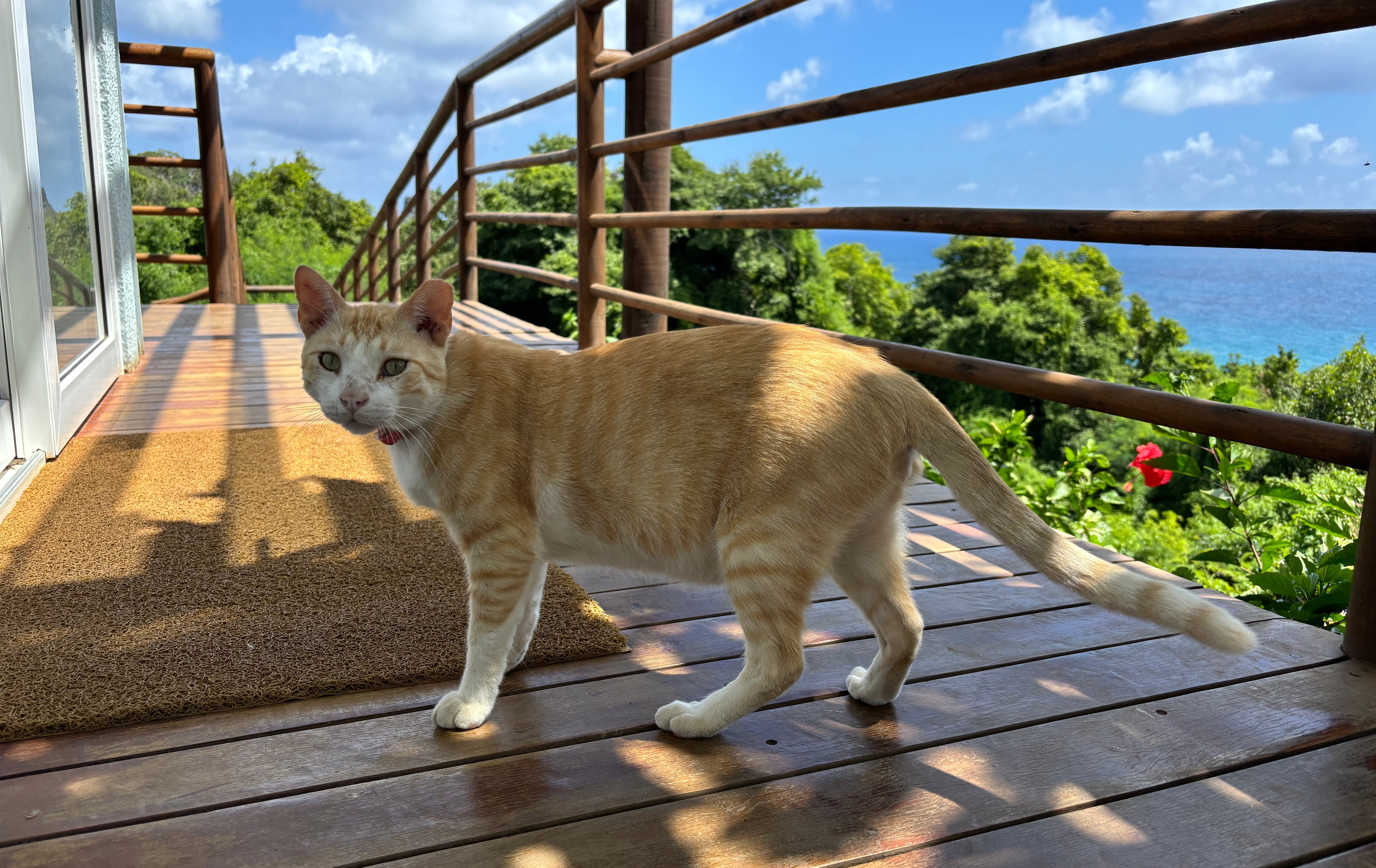
The Chico Mendes Institute for Biodiversity Conservation (ICMBio) has initiated a cat sterilization campaign in Fernando de Noronha, running from Monday, July 27th, to August 7th. This initiative, conducted in partnership with the Island Administration, aims to control the feline population, curb disease transmission, and mitigate the impact of cats on the island's native fauna. Sterilization procedures will take place at the Animal Surveillance Center (NVA) in Vila do Trinta. According to the latest ICMBio data from 2024, Fernando de Noronha hosts an estimated 1,268 cats, with approximately 200 residing within the Marine National Park. While 97% of cats in urban areas are already sterilized, ICMBio emphasizes the need for ongoing monitoring to achieve complete coverage. The campaign encourages cat owners not yet registered and residents who find un-ear-clipped cats to contact ICMBio via WhatsApp at (81) 99115-6860. Sterilization offers significant health and behavioral benefits for cats, including disease prevention and reduced territorial aggression, potentially extending their lifespan. Environmentally, the campaign is crucial as cats are considered an invasive species threatening endemic wildlife, such as the Mabuya vittata lizard and the Juruviara-de-noronha bird, whose eggs are preyed upon by cats. Unchecked cat population growth disrupts the delicate ecological balance of Fernando de Noronha, a sensitive island ecosystem.
This sterilization campaign addresses the ecological challenge posed by invasive species in a sensitive island environment. By managing the feral cat population, ICMBio seeks to restore ecological balance and protect endemic species, a common conservation strategy for isolated ecosystems. The initiative highlights the long-term tension between human-introduced species and native biodiversity. Future efforts may require integrated approaches combining population control with habitat restoration and community engagement to ensure the sustained health of Fernando de Noronha's unique environment, particularly as climate change and increased human activity place further stress on fragile ecosystems.
AI-generated to prompt reflection — not editorial opinion, not advice, not a statement of fact. How this works.