Fernando de Noronha Management Plan Revision Sparks Local Opposition
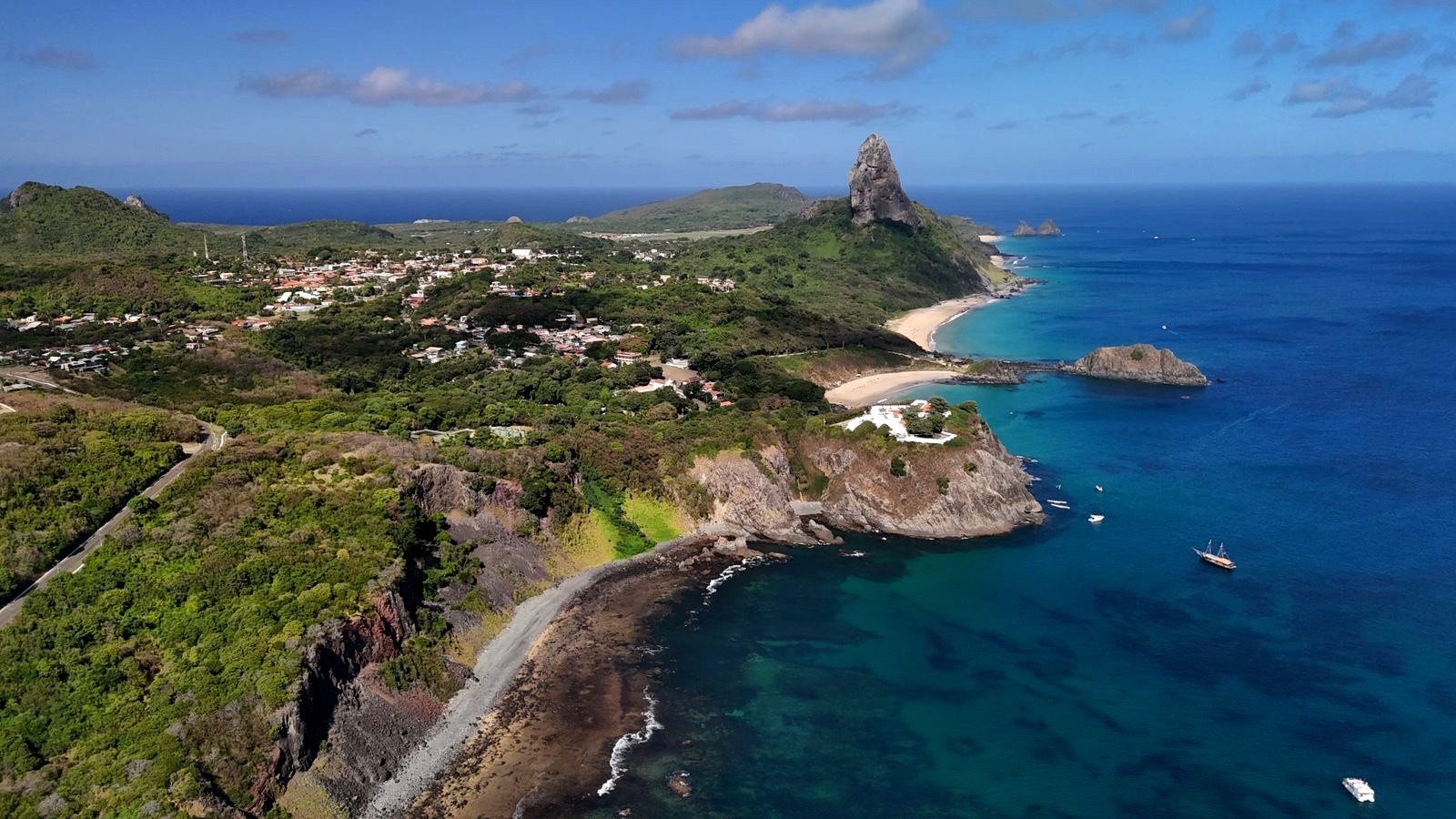
District councilors in Fernando de Noronha are contesting the recently published revision of the Management Plan for the Environmental Protection Area (APA). The revised plan, which establishes regulations for land use and occupation on the island, was published in the Official Gazette on Tuesday, May 28th. Councilors Ailton Araújo Júnior and Marilde Costa assert that the final version of the plan was not approved by community representatives, who claim they were blindsided by its publication. The revision process was led by the Chico Mendes Institute for Biodiversity Conservation (ICMBio), with collaboration from the Pernambuco State Government and island representatives.
A significant change introduced by the revision is the prohibition of new inns, restaurants, and other commercial developments within the 'Production Zone,' an area designated for agriculture. Councilors argue that this revision, particularly the creation of an 'adequacy zone,' will negatively impact the island's future and its inhabitants. They also criticize the lack of transparency and community involvement, citing a meeting held in Recife instead of on the island and the selective participation of islanders. Furthermore, councilors express concern over the plan's finalization before crucial data on the island's carrying capacity, resident re-registration, and vehicle/vessel numbers are released, deeming these essential for effective policy-making. Representatives plan to petition the Ministry of Environment in Brasília for a review of the published plan. As of the report's last update, ICMBio had not yet responded to the criticisms.
The dispute over Fernando de Noronha's Management Plan highlights a common tension between centralized environmental governance and local community self-determination. While ICMBio's role is to ensure biodiversity conservation, the councilors' objections suggest a potential disconnect in the participatory process, raising questions about the representativeness and transparency of the revision. The emphasis on data like carrying capacity underscores the complex balancing act required for sustainable development in ecologically sensitive, high-demand tourist destinations. Future iterations of such plans may benefit from more robust, digitally-enabled community engagement frameworks and clearer protocols for incorporating local feedback, ensuring that conservation goals align with the socio-economic realities and aspirations of island residents, thereby fostering long-term stewardship rather than fostering resentment.
AI-generated to prompt reflection — not editorial opinion, not advice, not a statement of fact. How this works.