Fernando de Noronha Natural Pools Reopen After Eight-Month Closure
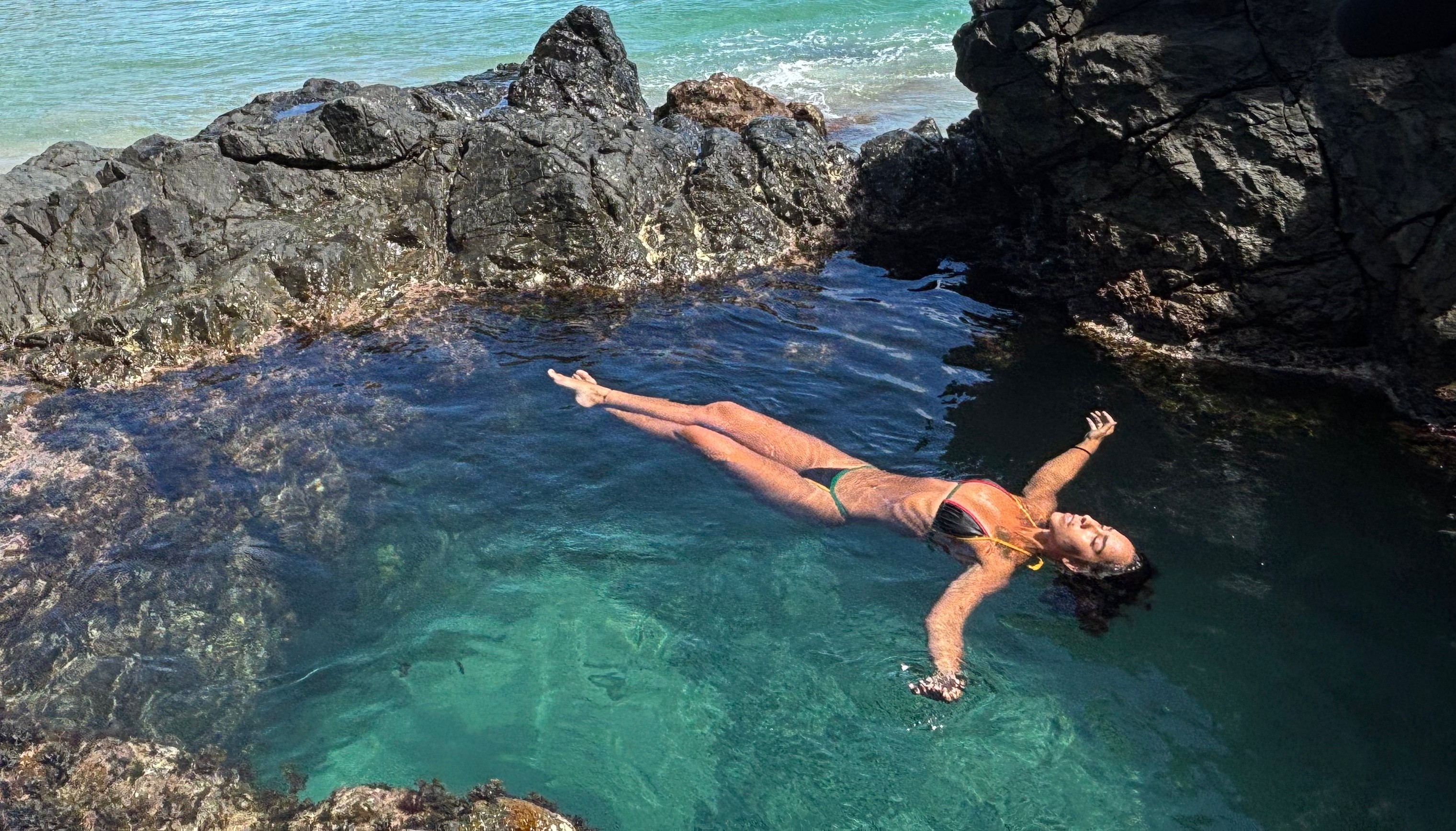
Two popular natural pools in Fernando de Noronha, Buraco do Galego and Lasca da Velha, have reopened for visitors and swimming after being closed for eight months. The closure was implemented due to conflicts arising from increased tourism and disputes over photo opportunities, particularly after a 2018 photo of celebrities Neymar and Bruna Marquezine at Buraco do Galego significantly boosted its popularity. The reopening follows extensive meetings between the Chico Mendes Institute for Environmental Conservation (ICMBio) and the Noronha Administration, who have established new protocols to manage visitation and prevent future disputes. During the initial reopening phase, which is considered a test period, an ICMBio server and a lifeguard were present to guide visitors. Access is permitted daily from 9 AM to 5 PM, contingent on tide conditions and safe access across the rocks. Entry into the pools is only allowed during low tide, and visitation may be suspended due to rough seas or other safety risks. In emergencies, visitors are advised not to enter the water but to throw a flotation device and contact emergency services. The new rules also prohibit reserving areas or prioritizing photo shoots, emphasizing that these are public spaces. While guided tours are recommended, visitors should hire professionals registered with the National Marine Park until specific accreditation for the Protected Area is available. Unlicensed vendors will not be permitted to operate at the site.
The reopening of Fernando de Noronha's natural pools signifies a balancing act between conservation, tourism revenue, and visitor experience management. The implementation of new protocols, including timed access and restrictions on photo shoot prioritization, addresses the systemic challenge of managing popular natural attractions experiencing unsustainable visitor numbers. This approach aims to mitigate overcrowding and conflict, ensuring the long-term viability of these sites. The 'test phase' suggests a data-driven strategy, allowing authorities to refine regulations based on observed visitor behavior and environmental impact. Looking ahead, the success of these measures will depend on consistent enforcement and adaptive management in response to evolving tourism trends and potential environmental pressures, particularly in the context of increasing global travel and the growing influence of social media on destination popularity.
AI-generated to prompt reflection — not editorial opinion, not advice, not a statement of fact. How this works.