Fernando de Noronha sees sharp decline in turtle nests after record season
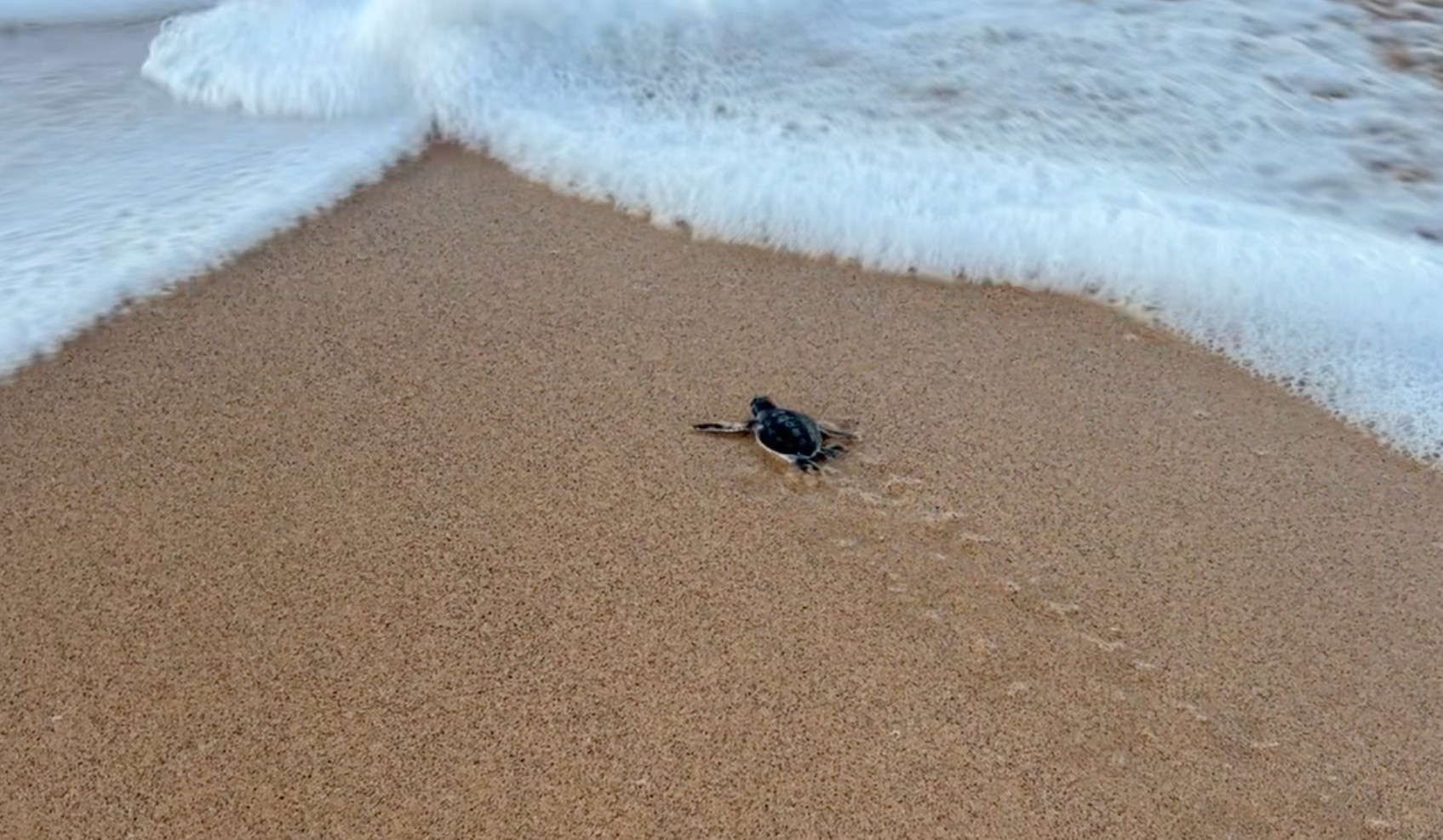
The marine turtle nesting season in Fernando de Noronha has concluded with a significant drop in nests, registering only 63 nests of the green sea turtle (Chelonia mydas). This figure represents one of the lowest counts since monitoring began 42 years ago. The preceding season, 2024/2025, had been a record-breaking year with 805 nests. Researchers from the Projeto Tamar Foundation noted that this decline was steeper than anticipated. The reduction in nesting numbers was not isolated to Fernando de Noronha; similar trends were observed on other oceanic islands, including Trindade and Atol das Rocas. Rafaely Ventura, coordinator for the Projeto Tamar Foundation, stated that this widespread pattern suggests the issue is not specific to Fernando de Noronha, offering some reassurance. The foundation is investigating the precise causes for this decrease. Potential contributing factors being examined include the impacts of global warming, such as delayed rainfall and high temperatures. Another hypothesis suggests that many turtles may have advanced their nesting activities during the previous record-breaking season, as nest numbers then were substantially above average. It is common for nesting seasons to alternate between strong and weak periods. Of the 63 nests recorded, 57 were located on Leão Beach, with the remaining six found on beaches within the Mar de Dentro area. Most hatchlings have already emerged, with only five nests remaining on Leão Beach expected to hatch by the end of July.
The stark contrast between the record 2024/2025 nesting season and the subsequent sharp decline in 2025/2026 highlights the environmental volatility impacting marine species. While the broad geographic spread of the decline suggests systemic factors like climate change are at play, rather than localized issues, it underscores the vulnerability of sea turtle populations to environmental shifts. The hypothesis of nesting season cycles offers a biological explanation for variability, but the underlying drivers of these cycles, potentially exacerbated by warming oceans and altered weather patterns, warrant further investigation. Understanding these complex interactions is crucial for developing adaptive conservation strategies that can mitigate the long-term effects of climate change on these ancient species and their reproductive success.
AI-generated to prompt reflection — not editorial opinion, not advice, not a statement of fact. How this works.