Ferraz de Vasconcelos Offers Free Public Transit on Sundays and Holidays
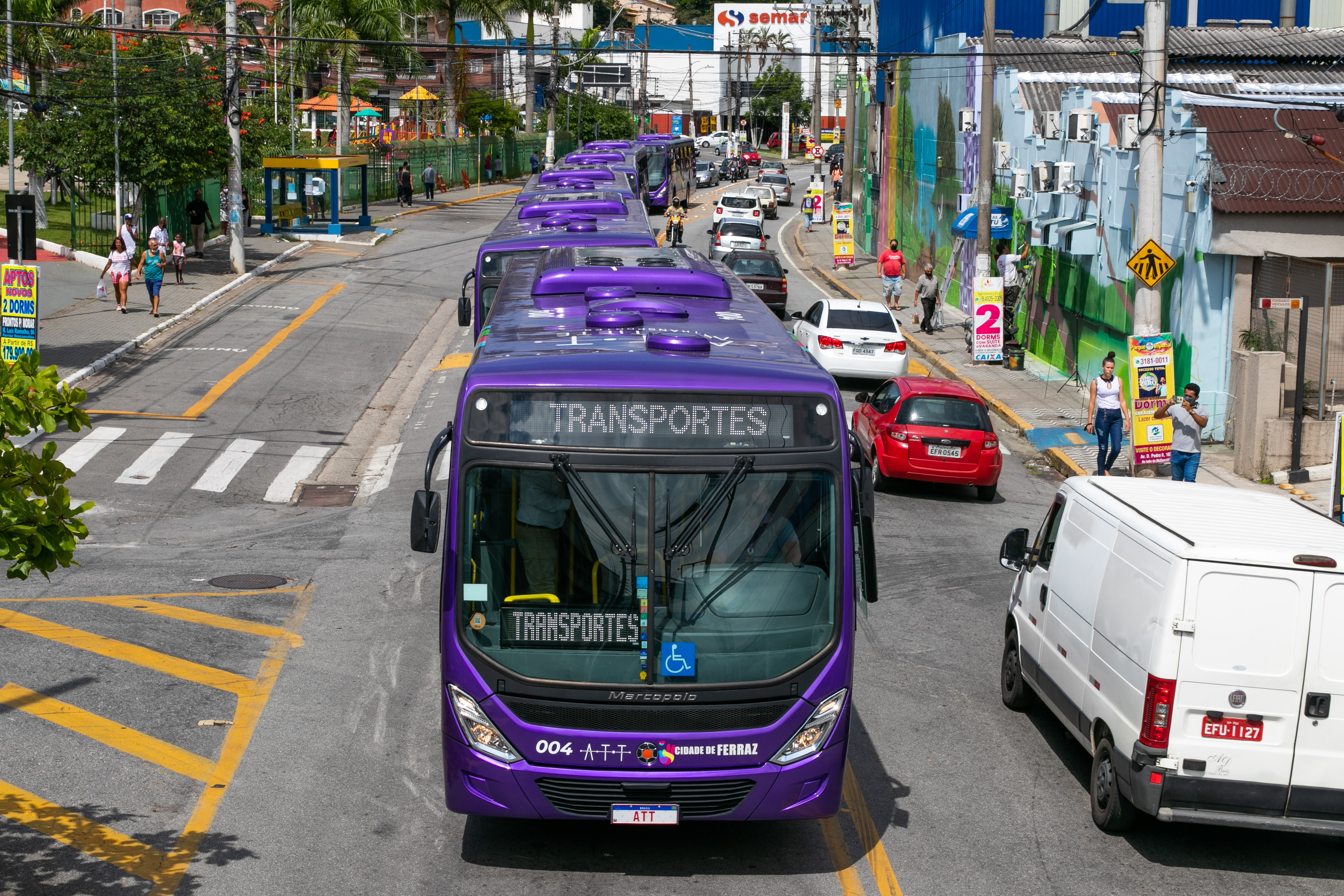
Ferraz de Vasconcelos, Brazil, has implemented free municipal bus service on Sundays and holidays, effective from July 5th. This new policy applies to all 13 municipal bus lines, allowing passengers to ride without paying a fare on these specific days. With this change, Ferraz joins Guararema and Santa Isabel, which already provide universal free public transportation within their municipal systems. Other cities in the Alto Tietê region offer free transit only to specific groups such as the elderly, students, and individuals with disabilities, or lack a municipal bus system altogether. In Arujá, free rides are available for seniors (60+), those 65 and older, people with disabilities, and community health agents, while students receive half-fare. Biritiba-Mirim and Salesópolis do not have municipal public transport. Guararema has offered free rides on all municipal lines since January 1st, 2025, excluding school transport. Itaquaquecetuba and Suzano currently have no plans for free transit, though Suzano is conducting studies. Mogi das Cruzes provides free rides to legally defined groups like the elderly and disabled, with students receiving a discount; approximately 35% of its municipal transport passengers benefit from free rides monthly, but expanding this requires budget studies. Poá did not respond to inquiries regarding its transit policies.
The expansion of free public transportation in Ferraz de Vasconcelos, alongside similar initiatives in Guararema and Santa Isabel, highlights a growing trend toward public service prioritization in municipal transit. This policy shift could stimulate local economies by reducing transportation costs for residents, potentially increasing leisure and retail activity on weekends and holidays. However, the financial sustainability of such programs requires careful management, as demonstrated by Mogi das Cruzes' need for budgetary studies before considering broader fare reductions. The varying approaches across Alto Tietê cities reflect different fiscal capacities and political objectives, underscoring the complex interplay between social equity, urban planning, and public finance in the evolving landscape of urban mobility.
AI-generated to prompt reflection — not editorial opinion, not advice, not a statement of fact. How this works.