Fertilizer Crisis and El Niño Threaten Brazil's Food Prices
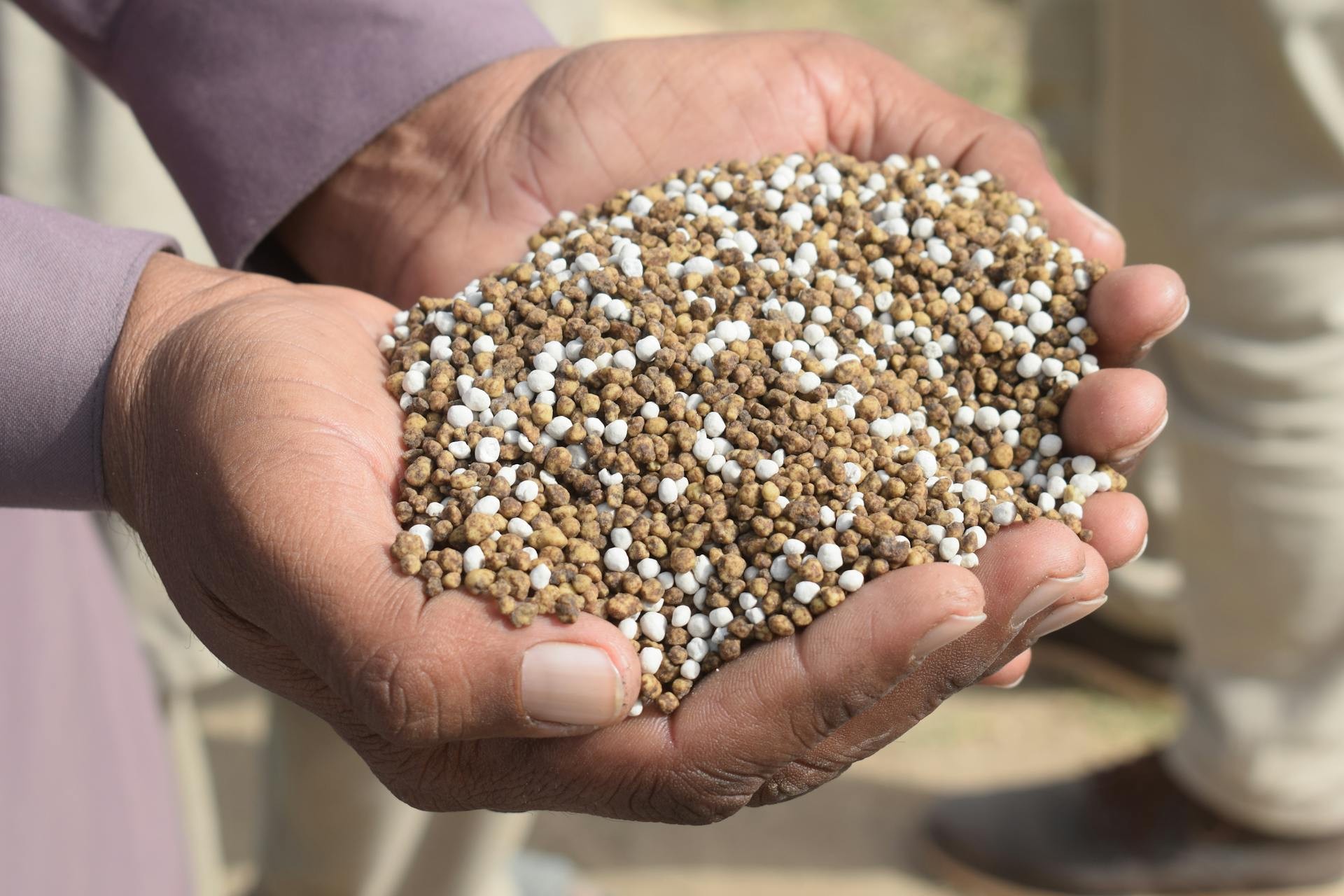
Brazil is facing a potential surge in food prices due to a severe fertilizer shortage, exacerbated by the ongoing war and the anticipated El Niño phenomenon. Experts warn that farmers may reduce fertilizer application this season, impacting the production of staples like rice, coffee, wheat, and oranges. The global fertilizer market is already strained by geopolitical instability, particularly concerning the Strait of Hormuz, a critical shipping route for a third of global fertilizer trade. This instability, coupled with difficulties in accessing raw materials like sulfur, has led to a significant drop in Brazil's fertilizer imports, with a 45% decrease observed between January and May compared to the previous year. Major fertilizer producers, including Mosaic, have consequently scaled back their operations within Brazil. The lack of adequate fertilization can lead to reduced crop yields and lower product quality, directly affecting market availability and prices. This issue is compounded by the expected strong El Niño, which could bring unfavorable weather conditions such as droughts and untimely rains to agricultural regions, further jeopardizing crop development. While some larger producers with advanced technology and access to credit may mitigate the impact, smaller farmers, especially those cultivating less profitable crops like wheat and coffee, are at higher risk of reducing fertilizer use. The situation is further complicated by logistical challenges, with fertilizers often arriving late to farmers located far from major southern ports. The overall impact on food prices is anticipated to become apparent next year, affecting harvests planted in the current semester.
The confluence of geopolitical supply chain disruptions and climate variability presents a systemic risk to Brazil's agricultural sector and global food security. The nation's heavy reliance on imported fertilizers, particularly from regions prone to political instability, highlights a vulnerability in its food production infrastructure. This dependence, coupled with the unpredictable nature of climate patterns like El Niño, creates a complex challenge for ensuring stable food supplies and prices. Future agricultural policy will need to balance immediate supply chain resilience with long-term strategies for domestic production capacity and climate adaptation. Diversifying import sources and investing in sustainable, localized fertilizer production could mitigate future shocks, while robust climate forecasting and water management systems will be crucial for adapting to changing weather patterns. The economic strain on farmers, particularly smaller operations, underscores the need for financial support mechanisms and risk management tools to navigate these intertwined challenges.
AI-generated to prompt reflection — not editorial opinion, not advice, not a statement of fact. How this works.