Fewer Asylum Seekers in Northeast Germany
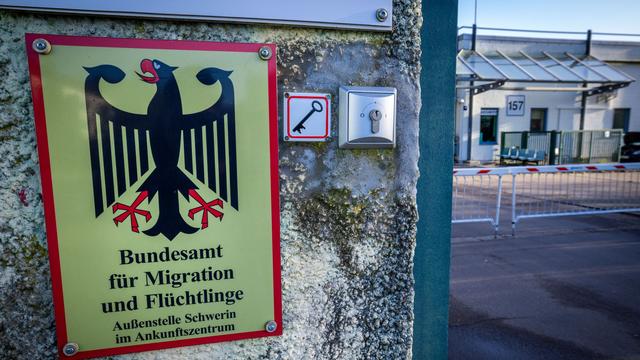
The number of asylum seekers applying for protection in northeastern Germany has significantly decreased. This trend indicates a notable shift in migration patterns within the region. Specific figures detailing the extent of this reduction were not provided in the original report. However, the headline clearly states a "considerable" drop in applications. This development may have implications for local authorities responsible for processing asylum claims and providing support services. The reasons behind this decline are not elaborated upon in the provided text. Further information would be needed to understand the contributing factors, such as changes in government policies, geopolitical events, or improved conditions in asylum seekers' countries of origin. The northeastern region of Germany, encompassing states like Mecklenburg-Vorpommern and Brandenburg, has historically seen varying levels of asylum applications.
The reported decrease in asylum applications in northeastern Germany warrants examination of the underlying policy and geopolitical factors influencing migration flows. Understanding the drivers behind this trend is crucial for effective resource allocation and humanitarian support planning. Analyzing shifts in international refugee crises, the efficacy of border control measures, and integration policies in both origin and destination countries can provide a clearer picture. Future policy decisions should consider the long-term demographic and economic impacts of such migratory fluctuations on regional development.
AI-generated to prompt reflection — not editorial opinion, not advice, not a statement of fact. How this works.