Fewer Wasps Expected This Year, Expert Offers Prevention Tips
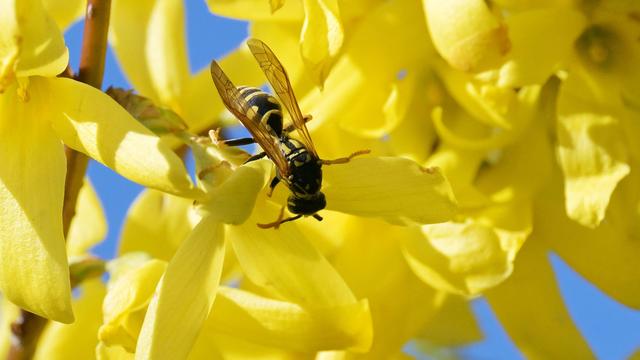
This year, entomologists anticipate a decrease in the wasp population, a trend that is expected to bring relief to many. The decline is attributed to specific weather conditions experienced during crucial developmental phases for wasps. Dr. Werner Baltes, a biologist and entomologist from the Bavarian Environment Agency, explained that the cold and wet spring negatively impacted the survival rate of queen wasps. These queens are essential for establishing new colonies, and their reduced numbers directly translate to fewer nests and, consequently, fewer wasps overall. Baltes noted that the current mild weather is not sufficient to compensate for the early-season losses. He also advised the public on practical measures to minimize encounters with the wasps that do emerge. These include keeping food and drinks covered, especially outdoors, and ensuring that waste bins are tightly sealed. Promptly cleaning up spilled food or sugary drinks is also recommended. For those concerned about nests in or around their homes, Baltes suggests waiting until autumn to remove them, as the wasps will have died off by then. He emphasized that wasp nests are generally not aggressive unless directly threatened, and most species are beneficial as they prey on other insects.
The anticipated reduction in wasp populations, linked to adverse spring weather, presents a natural recalibration of insect ecosystems. While this may offer immediate relief from nuisance insects, it also highlights the sensitivity of ecological balances to climatic shifts. Future climate volatility, amplified by global warming, could lead to more unpredictable fluctuations in insect populations, impacting biodiversity and agricultural pest control. Public health strategies might need to adapt to varying levels of insect-borne disease vectors or nuisance insects, while ecological management could focus on fostering resilient habitats that buffer against extreme weather events.
AI-generated to prompt reflection — not editorial opinion, not advice, not a statement of fact. How this works.