FGTS Calamity Withdrawals Available for 10 Paraná Cities Hit by Disasters
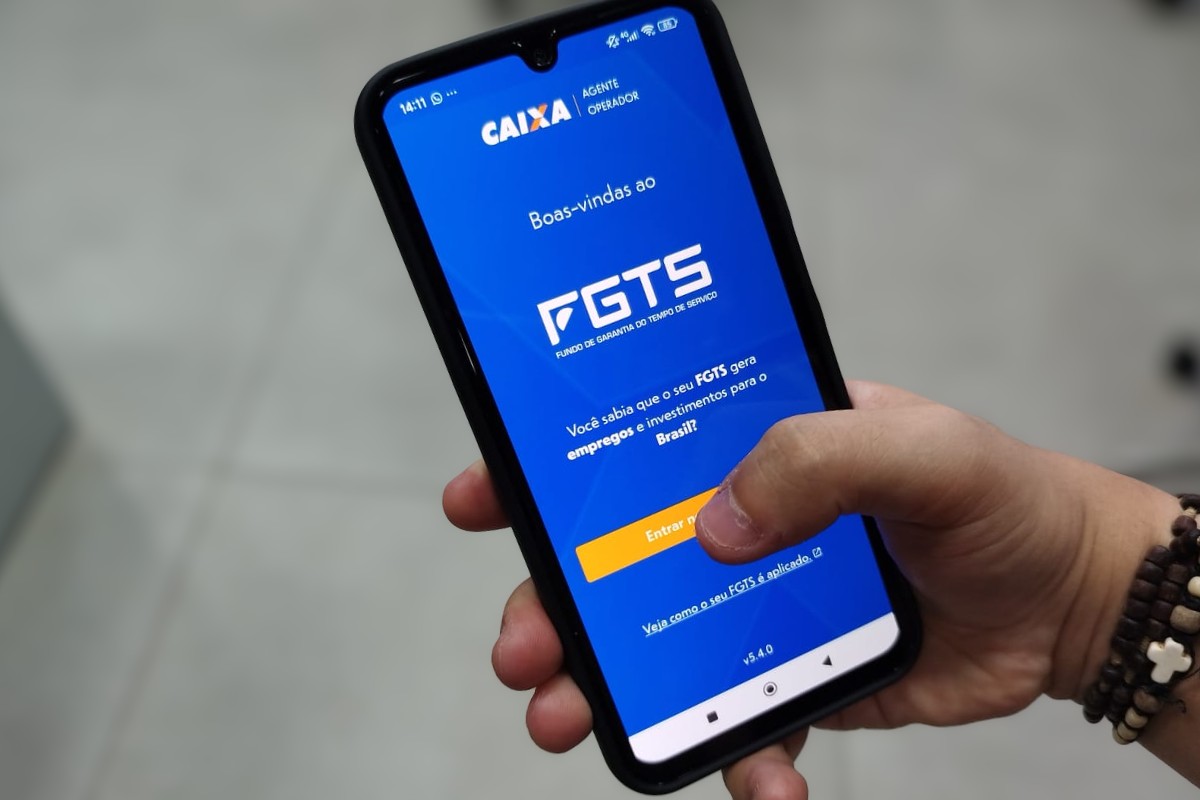
Residents in 10 municipalities across Paraná, Brazil, are now eligible to withdraw up to R$ 6,200 from their FGTS (Fundo de Garantia do Tempo de Serviço) due to natural disasters. The Caixa Econômica Federal has authorized these calamity withdrawals following severe weather events that affected these areas. The withdrawals are limited to the available balance in each worker's FGTS account and require that no calamity withdrawal has been made within the preceding 12 months. The application process is entirely digital, accessible through the Caixa FGTS mobile application.
Specific deadlines for withdrawal requests vary by municipality. For instance, residents of Iporã, which experienced heavy rains in June, can apply until September 30, 2026. Other cities with authorized withdrawals include Antonina (until July 26), Espigão Alto do Iguaçu (until August 6), Guaraniaçu (until August 11), Guaraqueçaba (until August 4), Moreira Sales (until September 8), Palmital (until August 11), Quedas do Iguaçu (until August 6), Rio Bonito do Iguaçu (until August 12), and Terra Rica (until September 8).
To apply, users must navigate to the 'Saques' (Withdrawals) section in the FGTS app, select 'Calamidade pública' (Public Calamity), and follow security procedures. Required documentation includes an identity document and a proof of residence issued within 120 days prior to the calamity declaration, with the applicant also needing to provide a selfie holding their ID. Approved funds can be credited to any bank account or withdrawn in person.
The authorization of FGTS calamity withdrawals provides immediate financial relief to citizens impacted by natural disasters, demonstrating a critical social safety net function of Brazil's labor fund. This mechanism allows for rapid access to personal savings during emergencies, mitigating immediate hardship. However, the system's reliance on individual application and documentation highlights potential access barriers for vulnerable populations who may lack digital literacy or consistent proof of residence. Future considerations could involve exploring more proactive or automated distribution channels for disaster relief, contingent on verified impact, to ensure equitable and timely support. The varying deadlines across municipalities also present a complex administrative landscape that could be streamlined for broader efficiency.
AI-generated to prompt reflection — not editorial opinion, not advice, not a statement of fact. How this works.