FGTS Profit Distribution: R$13 Billion to be Shared Among 138 Million Workers
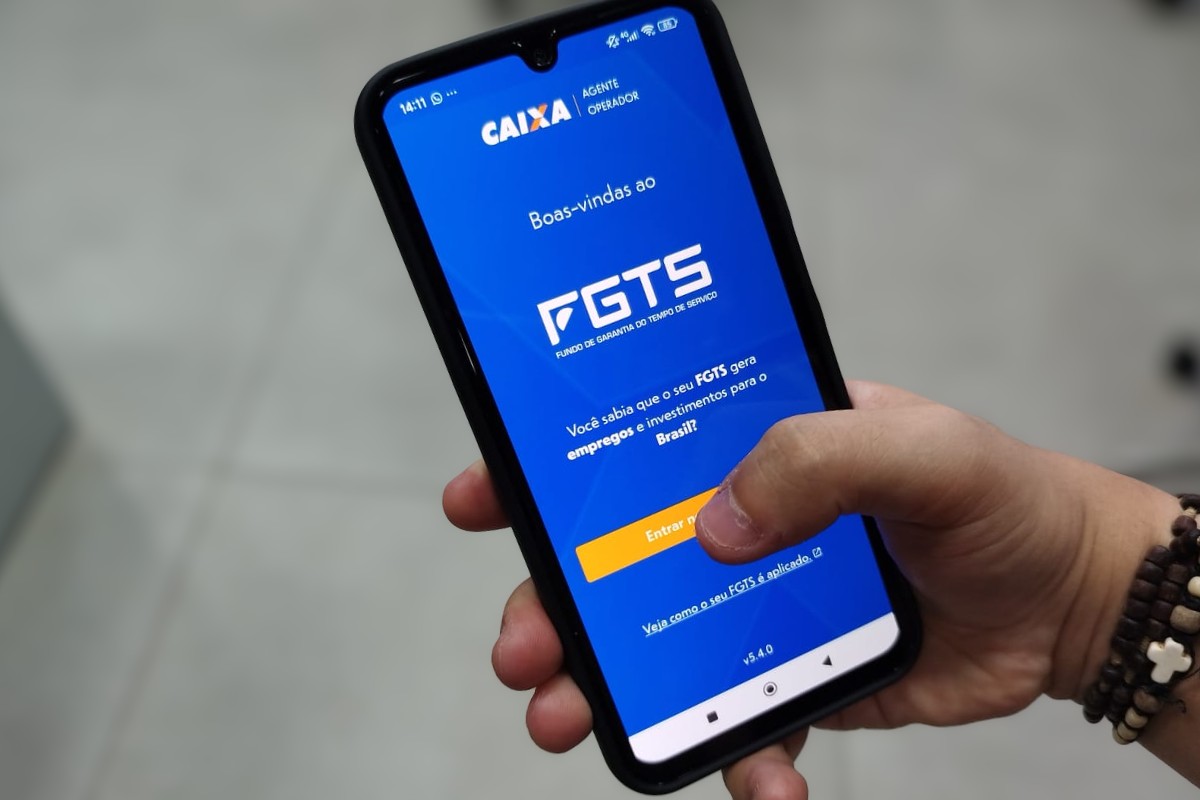
The FGTS (Fundo de Garantia por Tempo de Serviço) Oversight Board has approved the distribution of R$13.04 billion in profits to 138.2 million workers with balances in their linked accounts. This decision was made on Tuesday, the 28th. The funds will be deposited into the workers' linked accounts by August 31, 2026. Following the deposit, individuals will be able to check their allocated amounts through the Caixa Econômica Federal website or the FGTS application. All individuals who had active or inactive FGTS accounts with a balance as of December 2025 are eligible to receive a portion of these profits. The distribution is proportional to the balance in each account, meaning those with larger balances will receive a greater share of the profit distribution. To estimate their individual payout, workers can calculate it by multiplying their FGTS account balance as of December 31, 2025, by the index of 0.01868341. While the money will be deposited into FGTS accounts, immediate withdrawal is not permitted. Access to these funds is restricted to specific circumstances, including dismissal without just cause, contract termination, mutual agreement for termination, retirement, reaching age 70, severe illness, purchasing a home, settling or amortizing housing debt, or through the FGTS 'birthday withdrawal' option.
The distribution of FGTS profits represents a significant fiscal event, directly impacting a large segment of the Brazilian workforce. The mechanism of proportional distribution based on account balances reinforces existing wealth disparities, as those with higher savings will benefit more. While the profit distribution aims to provide tangible benefits to workers, the restriction on immediate withdrawal highlights the FGTS's primary function as a social protection fund, primarily for specific life events like job loss or home acquisition. This policy structure prompts consideration of whether the FGTS could be further optimized to balance immediate worker liquidity needs with its long-term savings and protection objectives, particularly in light of evolving economic conditions and workforce demographics over the next decade.
AI-generated to prompt reflection — not editorial opinion, not advice, not a statement of fact. How this works.