FIA Arrests Nadra Officials for Allegedly Creating Fake Documents for Afghan Nationals
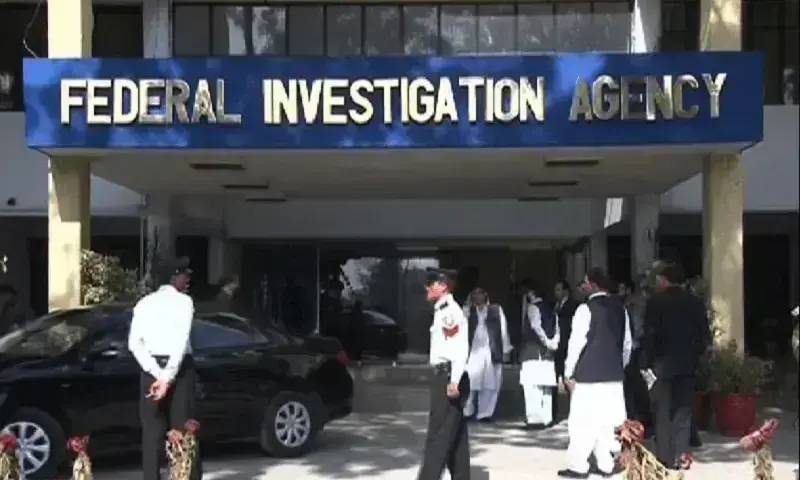
The Federal Investigation Agency (FIA) announced on Wednesday the arrest of four individuals in Karachi, including officials from the National Database and Registration Authority (Nadra). These suspects are accused of producing fraudulent documents for Afghan nationals. The arrested individuals have been identified as Nadra Assistant Director Imamul Haq, Nadra Deputy Assistant Director Fayyaz Ahmed, Junaid Ahmed, a Nadra watchman, and a private agent named Muhammad Umar Shah. The FIA stated that important records and evidence were confiscated during the operation, and the investigation's scope has been broadened, with further arrests anticipated. Preliminary findings suggest the suspects were involved in facilitating the issuance of fake identity documents, altering records, and engaging in other illegal activities for Afghan citizens. The FIA spokesperson also indicated that initial evidence points to potential links between this network and terrorist elements, which is a subject of ongoing investigation. This development follows concerns raised by the Human Rights Commission of Pakistan regarding the disappearance of Fayyaz Ahmed, whose family had filed a recovery application. The arrests occur amid a significant influx of Afghan refugees into Pakistan over decades and a recent government order for the arrest of undocumented Afghan nationals, intensifying repatriation efforts. This is not the first such incident, as the FIA had previously arrested Nadra officials in Chakwal and Karachi for similar allegations involving the issuance of identity documents to Afghan nationals.
This incident highlights systemic vulnerabilities within national identification systems, particularly when dealing with large-scale migration and cross-border document facilitation. The alleged involvement of state officials suggests potential internal corruption or coercion, incentivized perhaps by financial gain or external pressures. The FIA's mention of potential links to terrorist elements, while requiring rigorous substantiation, points to the critical national security implications of compromised identity verification processes. Future efforts should focus on strengthening internal oversight, implementing advanced digital verification technologies, and fostering inter-agency cooperation to mitigate such risks. The situation underscores the complex interplay between national security, humanitarian concerns for refugees, and the integrity of state infrastructure in a region experiencing prolonged instability.
AI-generated to prompt reflection — not editorial opinion, not advice, not a statement of fact. How this works.