Fictional Film Depicts Silicon Valley Oligarchs Manipulating Global Events, Including World Cup
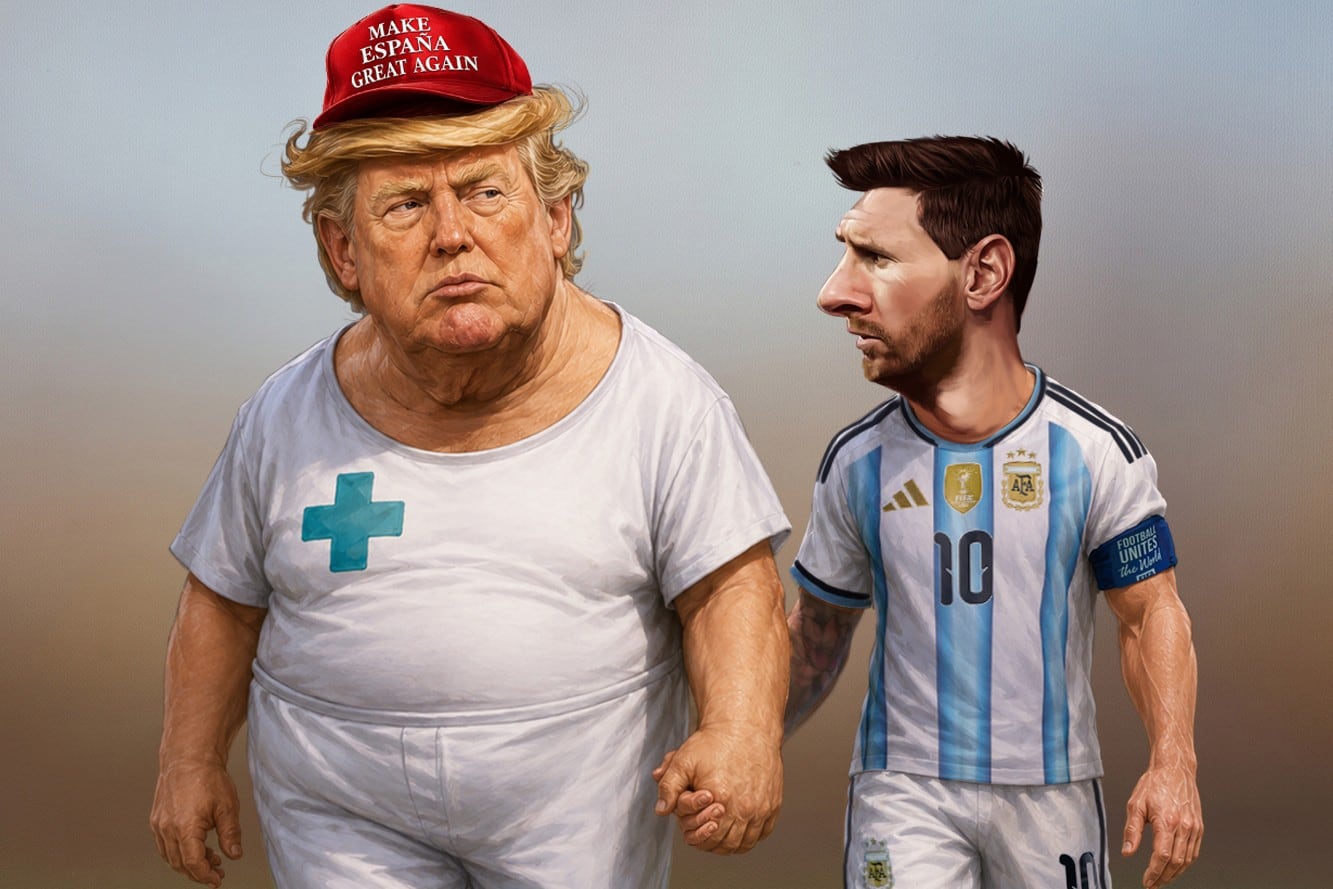
A fictional film titled 'Mountainhead,' set for release in 2025, imagines four Silicon Valley oligarchs who allegedly manipulate global events and social media for chaos. The film's narrative, as described, includes a fabricated scenario where the Argentine national football team is portrayed as a villain, supposedly forced to lose the World Cup final. This fictional plot involves characters representing figures like Elon Musk, Mark Zuckerberg, Jack Dorsey, and Sam Altman, alongside a libertarian figure possibly based on Peter Thiel. The story fabricates a conspiracy where the Argentine team is allegedly targeted by the FBI, Donald Trump, FIFA, and the West, purportedly due to displaying a flag related to the Falkland Islands conflict. The narrative criticizes the geopolitical interpretation of football, suggesting it has been exploited by a 'new world order' of technological elites. The film's premise also touches on the idea that these figures care less about football than about controlling narratives and truth. The source material contrasts this fictional plot with the actual 2022 World Cup final, noting that Argentina's victory was overwhelmingly deserved, with the opposing team failing to create significant scoring opportunities. It highlights a controversial disallowed goal for Argentina and suggests the narrative of Argentina being 'forced to lose' is fueled by fabricated evidence and a misunderstanding of the team's performance. The article also mentions FIFA's significant revenue from the World Cup and touches on alleged connections between FIFA president Gianni Infantino and Donald Trump. Finally, it reflects on how such events, including football, are increasingly consumed through short, often manipulated, digital clips, questioning the future of popular joys in the hands of powerful entities.
The narrative presented, framed through a fictional film, critiques the perceived influence of powerful tech figures and global institutions on public perception and major events. It suggests a potential for sophisticated manipulation of narratives, particularly concerning geopolitical sensitivities and sporting outcomes, leveraging social media algorithms. The analysis prompts consideration of how decentralized power structures, driven by profit motives and ideological agendas, might intersect with globally resonant cultural phenomena like the World Cup. It encourages an examination of the underlying incentive systems that could drive such perceived manipulations, urging a focus on transparency and accountability in digital information ecosystems and international sports governance.
AI-generated to prompt reflection — not editorial opinion, not advice, not a statement of fact. How this works.