Fidesz's Personnel Gains at the Prosecutor's Office
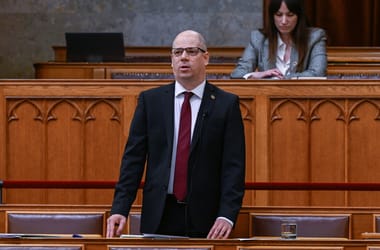
There has been an increase in cases within the prosecutor's office where individuals have advanced through the hierarchy more rapidly than usual or attained leadership positions sooner than expected. A common thread among these accelerated promotions is the close affiliation of the promoted prosecutors with the Fidesz party. This trend suggests a potential pattern of personnel decisions within the prosecutor's office that may favor individuals connected to the ruling political party. The observed speed of advancement and early access to leadership roles for these individuals raises questions about the standard procedures for career progression within the institution. It appears that connections to Fidesz may be a significant factor in the career trajectories of certain prosecutors. The situation highlights a potential concentration of influence within the prosecutor's office, with individuals linked to Fidesz occupying key positions at an accelerated pace. This development could have implications for the perceived independence and impartiality of the prosecutor's office.
The reported trend of accelerated promotions for Fidesz-affiliated prosecutors within the Prosecutor's Office warrants examination through the lens of institutional governance and public trust. Rapid career advancement for individuals with political ties, if not demonstrably based on merit and standard procedural adherence, can create perceptions of patronage and compromise prosecutorial independence. Such dynamics may erode public confidence in the impartiality of the justice system, particularly when prosecutorial decisions are scrutinized. Future considerations for prosecutorial offices should include robust, transparent merit-based promotion systems and clear conflict-of-interest protocols to safeguard against undue political influence and ensure equitable career progression for all staff. This approach is crucial for maintaining the rule of law and public faith in legal institutions.
AI-generated to prompt reflection — not editorial opinion, not advice, not a statement of fact. How this works.