Fielmann lowers expectations for smart glasses
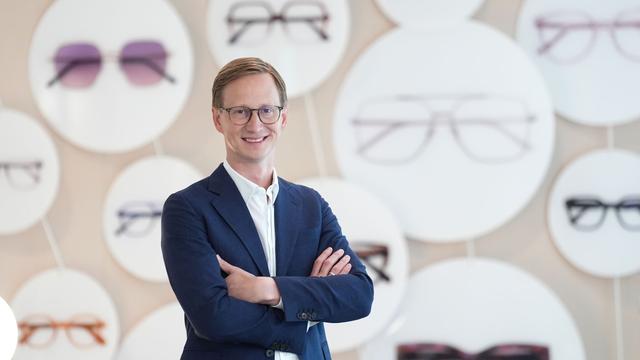
German optician Fielmann has tempered expectations regarding the market potential of smart glasses. The company, a significant player in the eyewear industry, has indicated that the widespread adoption of this technology may not be as imminent as some anticipate. While smart glasses offer advanced features, Fielmann's cautious outlook suggests that current market conditions or technological limitations are hindering their mainstream appeal. This perspective comes from a company deeply invested in understanding consumer eyewear trends and needs. Their assessment implies that factors such as price, usability, design, or battery life might still be significant barriers for broader consumer acceptance. Fielmann's statement is likely to influence industry discussions about the future trajectory of wearable technology, particularly in the optical sector. The company's cautious stance underscores the challenges in transitioning innovative concepts into widely adopted consumer products.
Fielmann's cautious outlook on smart glasses reflects the inherent challenges in integrating advanced technology into everyday consumer products. While the potential for smart glasses is significant, market penetration often hinges on a delicate balance of functionality, affordability, user experience, and social acceptance. The optician's perspective highlights that technological innovation alone does not guarantee market success; rather, it requires a deep understanding of consumer needs and market readiness. This situation presents a classic case of the "chasm" in technology adoption, where early adopters embrace new gadgets, but mass-market acceptance requires overcoming practical and psychological hurdles. The future success of smart glasses will likely depend on manufacturers' ability to address these multifaceted challenges, potentially through iterative design improvements, strategic pricing, and clearer value propositions that resonate with a broader audience over the next decade.
AI-generated to prompt reflection — not editorial opinion, not advice, not a statement of fact. How this works.
