FIFA abandons plan for World Cup commercialization subsidiary amid criticism
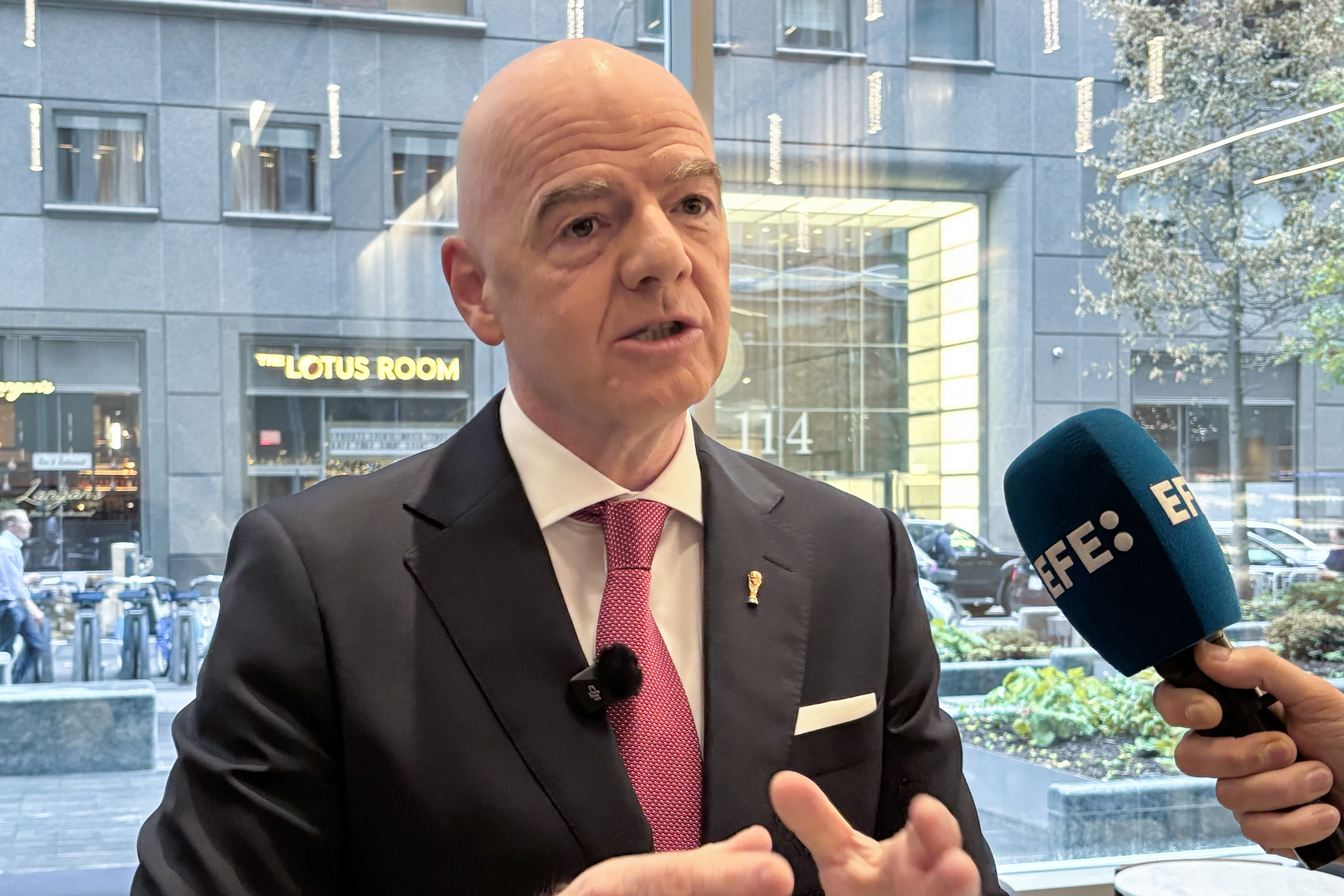
FIFA President Gianni Infantino has confirmed that the organization will not proceed with its intention to create a separate subsidiary for the commercialization of the FIFA World Cup. This decision comes after the proposal generated significant criticism and divisions within the international football community. The plan aimed to streamline commercial operations related to the tournament, potentially increasing revenue streams. However, concerns were raised by various stakeholders regarding governance, transparency, and the potential impact on existing commercial partnerships. The backlash suggests a need for greater consensus-building and stakeholder engagement before introducing such significant structural changes. FIFA will now explore alternative strategies to manage and monetize its flagship event, likely focusing on existing structures or less controversial approaches. The withdrawal indicates a sensitivity to internal football politics and a desire to avoid further fragmentation within the sport's governing bodies. Infantino's confirmation signals the end of this particular initiative, with future commercialization efforts expected to be more cautiously planned and communicated.
FIFA's decision to withdraw its proposed commercialization subsidiary reflects a complex interplay of governance, stakeholder management, and revenue generation strategies. The criticism highlights a recurring tension between centralized control and decentralized interests within global sports organizations. While the intent may have been to optimize commercial outcomes, the backlash suggests a failure to adequately address concerns about transparency and potential conflicts of interest among member associations and commercial partners. Moving forward, FIFA may need to prioritize a more inclusive and consultative approach to strategic initiatives, ensuring that proposed changes align with the broader interests of the international football ecosystem. This situation underscores the importance of robust governance frameworks that balance commercial imperatives with the need for broad stakeholder buy-in, particularly as the sport navigates evolving media landscapes and increasing financial pressures in the coming decade.
AI-generated to prompt reflection — not editorial opinion, not advice, not a statement of fact. How this works.