FIFA Considers Subsidiary to Prioritize Revenue, Potentially Sparking 'Netflix Shock' at World Cup
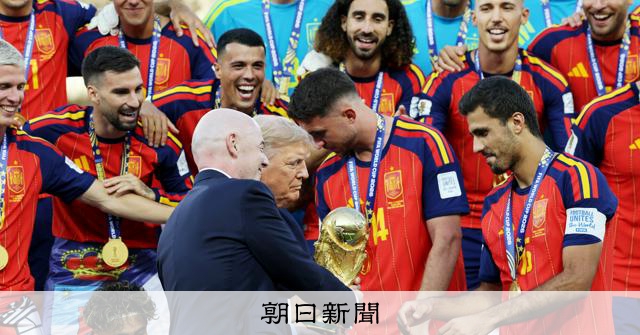
FIFA is reportedly exploring the establishment of a commercial subsidiary company to prioritize revenue generation. This move could potentially lead to a significant shift in how the World Cup is broadcast and monetized, with some speculating it might trigger a 'Netflix shock.' The proposed subsidiary aims to streamline commercial operations and maximize income streams for the global football governing body. Details regarding the specific structure and operational plans of this new entity remain scarce. However, the focus on revenue suggests a potential reevaluation of existing broadcasting rights deals and sponsorship strategies. The term 'Netflix shock' implies a disruption in the traditional media landscape, possibly through a direct-to-consumer streaming model or a significant overhaul of content distribution. This could impact existing broadcasters and create new opportunities or challenges for platforms like Netflix. The initiative reflects FIFA's ongoing efforts to enhance its financial standing and leverage the immense commercial appeal of the World Cup. Further information is expected as deliberations progress within the organization.
FIFA's contemplation of a revenue-focused commercial subsidiary signals a strategic pivot towards maximizing financial returns from its premier event, the World Cup. This approach, while potentially enhancing fiscal resources, introduces systemic risks related to market monopolization and the commodification of sporting content. The 'Netflix shock' speculation highlights the disruptive potential of new media distribution models, suggesting a possible tension between traditional broadcast rights holders and emerging digital platforms. Such a move necessitates careful consideration of governance structures to ensure transparency and equitable access to sporting events, balancing commercial imperatives with the broader interests of global football fans and athletes. The long-term implications for media rights, fan engagement, and the overall integrity of the sport will depend on how this strategic shift navigates the evolving digital landscape over the next decade.
AI-generated to prompt reflection — not editorial opinion, not advice, not a statement of fact. How this works.