FIFA Crisis Unfolds: European Rebellion Challenges Gianni Infantino's Future
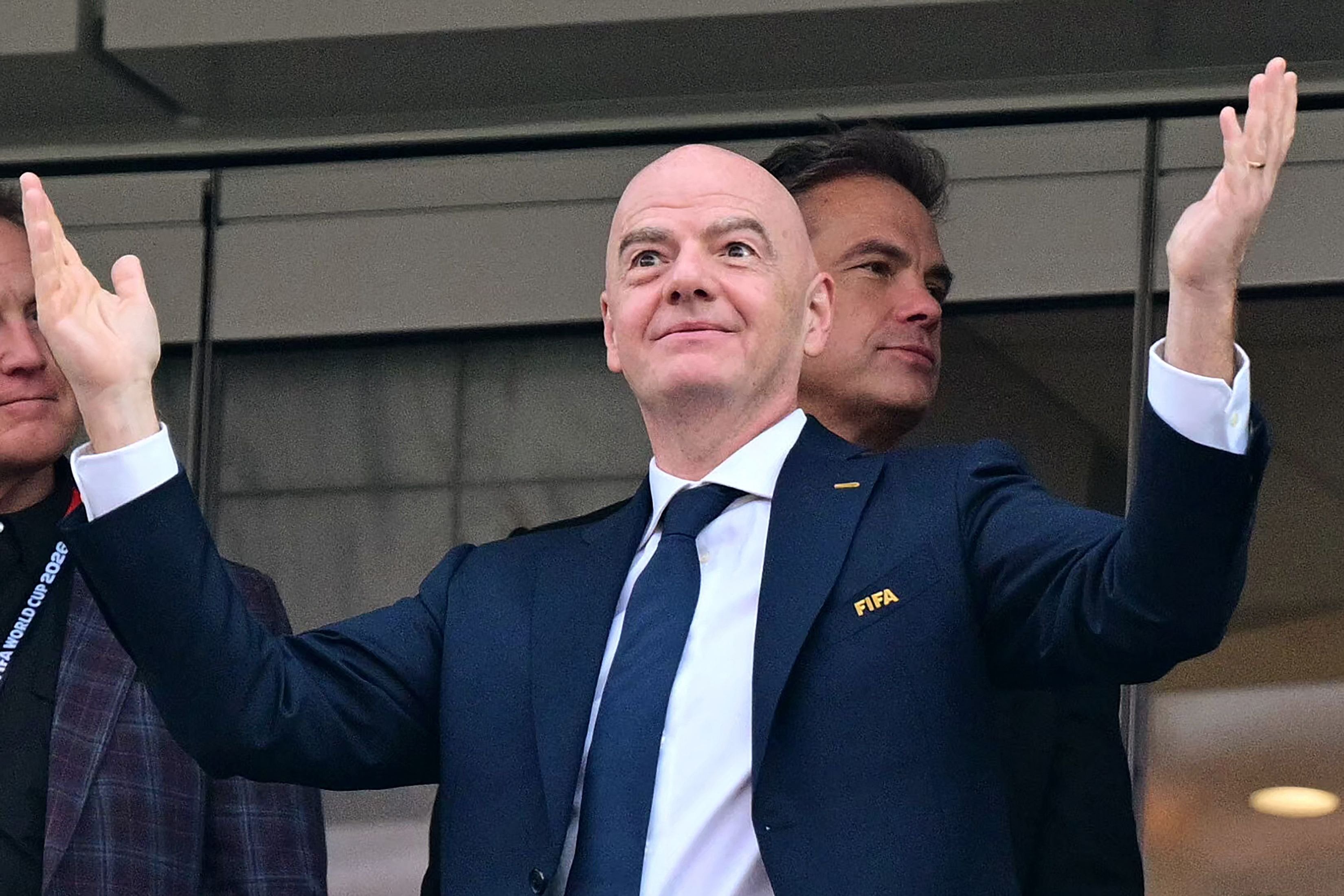
A significant crisis is unfolding within FIFA, centered around a failed plan to privatize the World Cup. This situation has triggered a rebellion from European football associations, casting doubt on the future leadership of FIFA President Gianni Infantino. The developments are being closely monitored, with the global football landscape potentially reshaped by these internal conflicts. European nations have expressed strong opposition to the privatization proposal, signaling a deep division within the sport's governing body. The exact details of the failed plan and the extent of the European backlash are central to the ongoing narrative. The future of Gianni Infantino, who has been at the helm of FIFA, appears to be increasingly precarious as these challenges mount. This internal strife threatens to disrupt the established order of international football governance. The coming days and weeks will be crucial in determining the outcome of this power struggle and its implications for the sport worldwide. The fallout from this failed privatization attempt could lead to significant changes in how major football events are managed and controlled.
The reported internal conflict within FIFA, stemming from a proposed World Cup privatization, highlights systemic tensions between global governance aspirations and regional stakeholder interests. European football bodies' opposition suggests a divergence in strategic vision, potentially driven by differing economic models or concerns over commercial control. This challenge to FIFA's leadership under Gianni Infantino underscores the delicate balance between centralized authority and decentralized member demands. The situation reflects broader trends in global sports governance, where the commercialization of major events often creates friction between governing bodies and powerful constituent leagues or confederations. Future developments may hinge on FIFA's ability to reconcile its commercial objectives with the perceived interests of its member associations, particularly in key regions like Europe, and could influence the long-term structure of international football's economic and political landscape.
AI-generated to prompt reflection — not editorial opinion, not advice, not a statement of fact. How this works.
