FIFA Disciplinary Committee Head Opens Unprecedented, Contentious Door
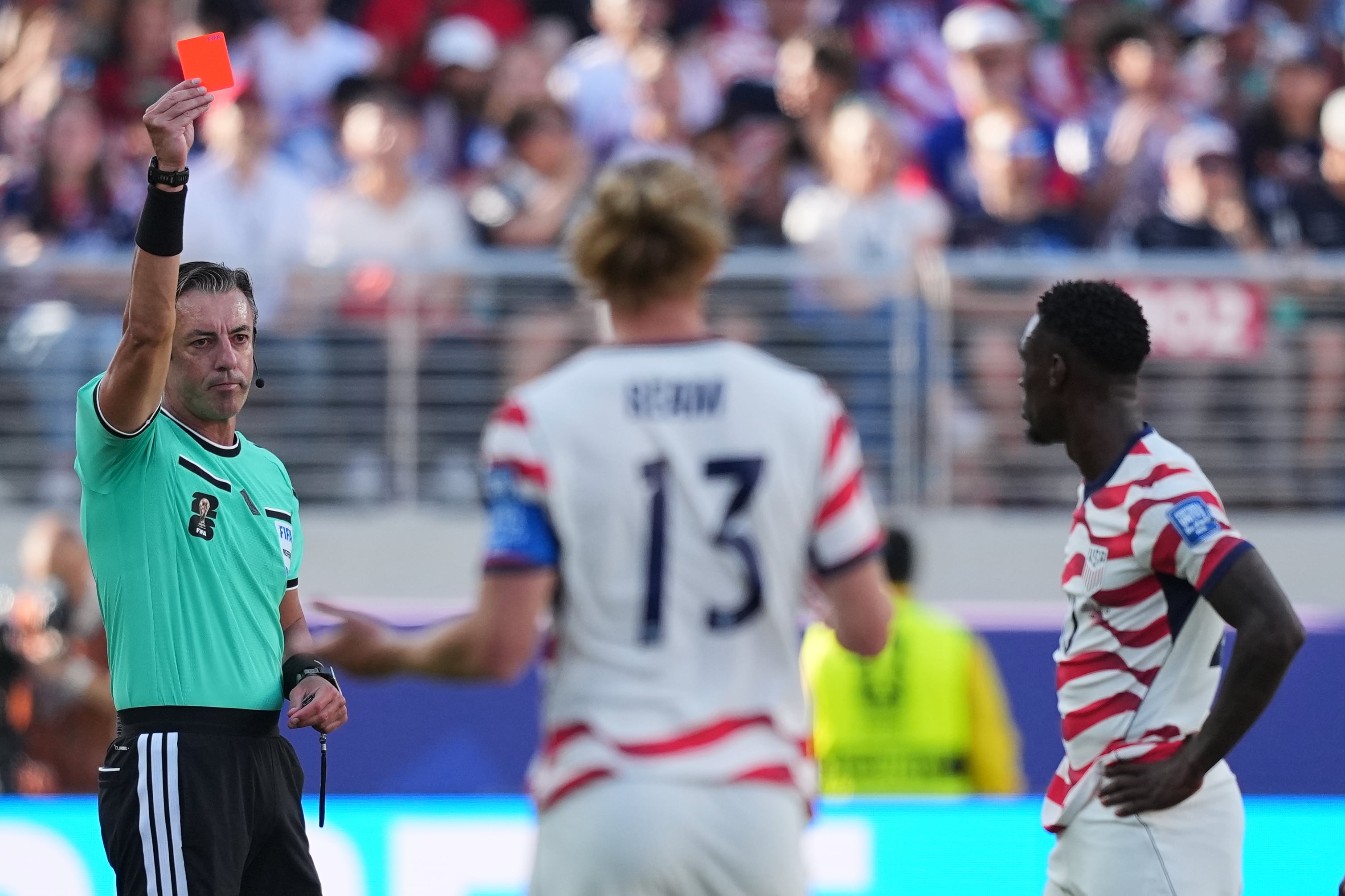
Mohamed al-Kamali, president of FIFA's Disciplinary Committee, has invoked Article 27 of the FIFA Regulations to review an arbitral decision. This marks only the second time in the history of the World Cup that such a review has been initiated. The application of this article opens a new and potentially controversial precedent for officiating in major international tournaments. Al-Kamali's decision signifies a significant shift in how disciplinary actions can be taken regarding on-field judgments. This move could lead to increased scrutiny of refereeing performances and potentially alter the dynamics of future matches. The implications of this precedent are far-reaching, affecting how disputes are resolved and how accountability is assigned within the sport's highest levels. The FIFA Regulations, specifically Article 27, now stand as a tool that can be used to re-examine critical moments in high-stakes games, a power previously exercised with extreme rarity.
The invocation of Article 27 by FIFA's Disciplinary Committee president represents a significant procedural development, potentially enhancing accountability for on-field decisions. This mechanism introduces a new layer of oversight, which could incentivize greater accuracy from match officials. However, it also raises questions about the finality of refereeing decisions and the potential for increased disputes, which might disrupt game flow and introduce subjective elements into review processes. The long-term impact will depend on the consistency and transparency with which this power is wielded, balancing the pursuit of officiating perfection against the established norms of sport. This could signal a shift towards more centralized control over match outcomes, influencing how teams strategize and prepare for tournaments in the future.
AI-generated to prompt reflection — not editorial opinion, not advice, not a statement of fact. How this works.