FIFA Explains Controversial Offside Call Against Croatia in Match vs. Portugal
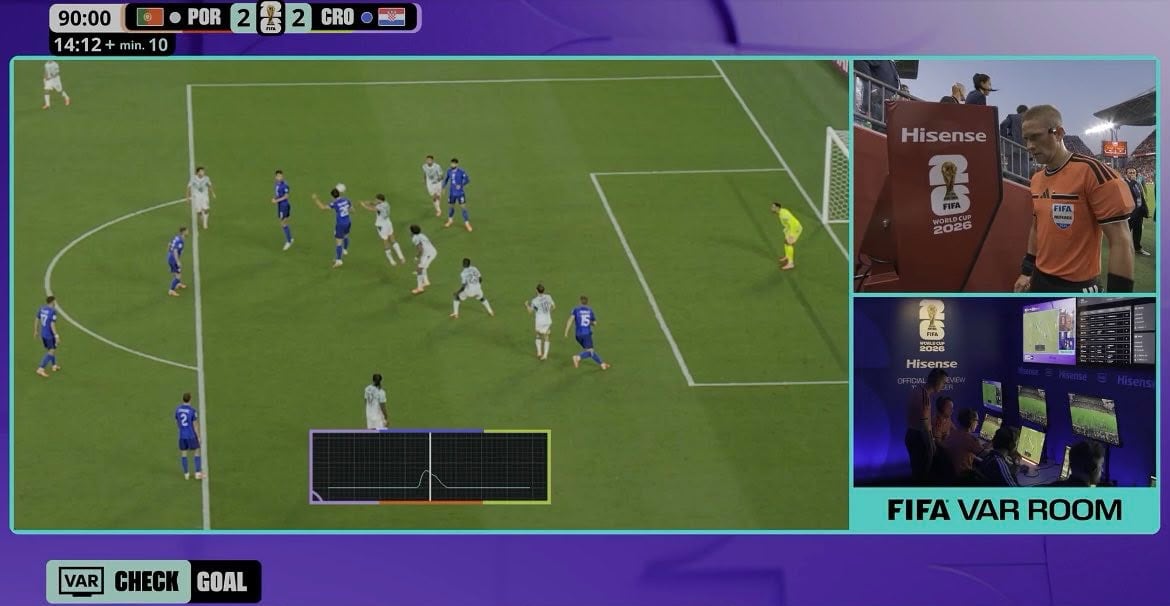
FIFA has provided an explanation for the disallowed goal by Croatia against Portugal, which occurred late in the match and led to significant frustration from Croatian player Luka Modric. The Croatian team had scored what they believed to be an equalizer, making the score 2-2. However, following a review by the Video Assistant Referee (VAR), the goal was ultimately disallowed. The explanation from FIFA centers on the data provided by the IMU sensors embedded within the match ball. These sensors are designed to detect the precise moment the ball is kicked and its trajectory, contributing to offside decisions. The controversy arose from the perceived inaccuracy or the interpretation of the data from these sensors, leading to the annulment of Croatia's late equalizer and subsequent player reactions. The incident highlights the ongoing debate surrounding the implementation and reliability of advanced technology in football officiating.
The utilization of IMU sensors in footballs for VAR decisions represents a technological advancement aimed at enhancing accuracy in officiating, particularly for offside calls. However, this incident underscores the critical need for transparency and clear communication regarding how sensor data is interpreted and integrated into the VAR process. Discrepancies or perceived errors in these systems can erode trust among players, coaches, and fans, potentially impacting the integrity of the game. Future developments should focus on robust validation of sensor technology and establishing standardized protocols for data interpretation to ensure consistent and equitable application of the rules, thereby mitigating controversial outcomes and fostering greater confidence in technological aids.
AI-generated to prompt reflection — not editorial opinion, not advice, not a statement of fact. How this works.