FIFA Explains Croatia's Disallowed Goal Against Portugal in World Cup Qualifier
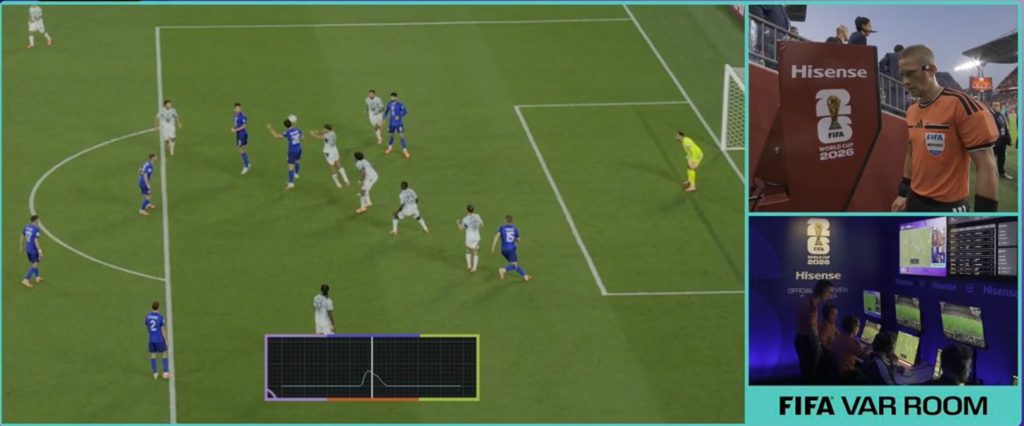
FIFA has provided an explanation for the controversial disallowed goal by Croatia in their match against Portugal, a game that saw the Portuguese secure qualification for the Round of 16 in the World Cup. The global football governing body addressed the incident, which occurred in stoppage time and generated significant reactions. FIFA stated that the Connected Ball technology, which uses sensors embedded in the match ball, confirmed the decision to disallow the goal. This technology aims to provide objective data during matches to aid officiating. The disallowed goal had a significant impact on the game's outcome, with Portugal ultimately advancing. The explanation from FIFA seeks to clarify the technical basis for the referee's decision, relying on the data generated by the advanced ball tracking system. This incident highlights the increasing role of technology in football officiating and the ongoing debate surrounding its implementation.
The utilization of Connected Ball technology by FIFA in resolving contentious on-field decisions, such as the disallowed Croatian goal against Portugal, underscores a broader trend toward data-driven officiating in professional sports. While such technologies aim to enhance accuracy and reduce human error, their application also introduces complex questions regarding interpretability and the balance between objective data and subjective judgment calls by referees. The incident prompts consideration of how these systems are integrated into the sport's regulatory framework and whether their deployment consistently serves the spirit of fair play, especially when decisions have significant competitive implications. Future developments will likely focus on refining these technologies and establishing clearer protocols for their use to ensure transparency and maintain confidence in the integrity of the game.
AI-generated to prompt reflection — not editorial opinion, not advice, not a statement of fact. How this works.