FIFA Explains Why Germany's Extra-Time Goal Was Ruled Offside
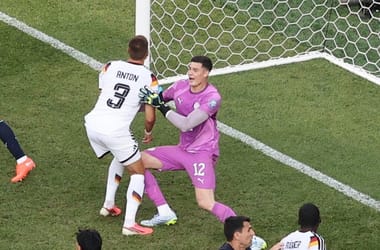
Pierluigi Collina, the head of FIFA's refereeing committee, has explained the reasoning behind a disallowed goal for Germany during extra time in a recent match. He stated that both players and coaches were informed prior to the World Cup that such incidents would be strictly enforced. This clarification addresses the controversy surrounding the offside decision, emphasizing FIFA's commitment to consistent application of the rules. The organization aimed to ensure clarity and fairness throughout the tournament by pre-emptively communicating these specific interpretations. Collina's statement underscores the importance of adherence to the established offside protocols, even in high-stakes moments. The decision reflects FIFA's ongoing efforts to refine and standardize refereeing standards globally. This proactive communication strategy is designed to minimize misunderstandings and maintain the integrity of the game.
FIFA's clarification on the disallowed German goal highlights the tension between strict rule interpretation and the fluid nature of competitive football. By emphasizing pre-tournament communication regarding offside enforcement, FIFA signals a strategic effort to standardize officiating and reduce subjective calls. This approach, while aiming for consistency, may inadvertently create situations where marginal calls, even if technically correct, can significantly impact match outcomes and fan perception. The governing body's focus on strict enforcement reflects a broader trend in sports towards technological assistance and precise rule application, potentially altering the traditional flow and spirit of the game. Future considerations might involve balancing the pursuit of absolute accuracy with the need to preserve the game's dynamic and dramatic elements, ensuring that technological advancements serve to enhance, rather than detract from, the spectator experience and competitive fairness.
AI-generated to prompt reflection — not editorial opinion, not advice, not a statement of fact. How this works.