FIFA Halts World Cup Privatization Plan Amid Federation Opposition
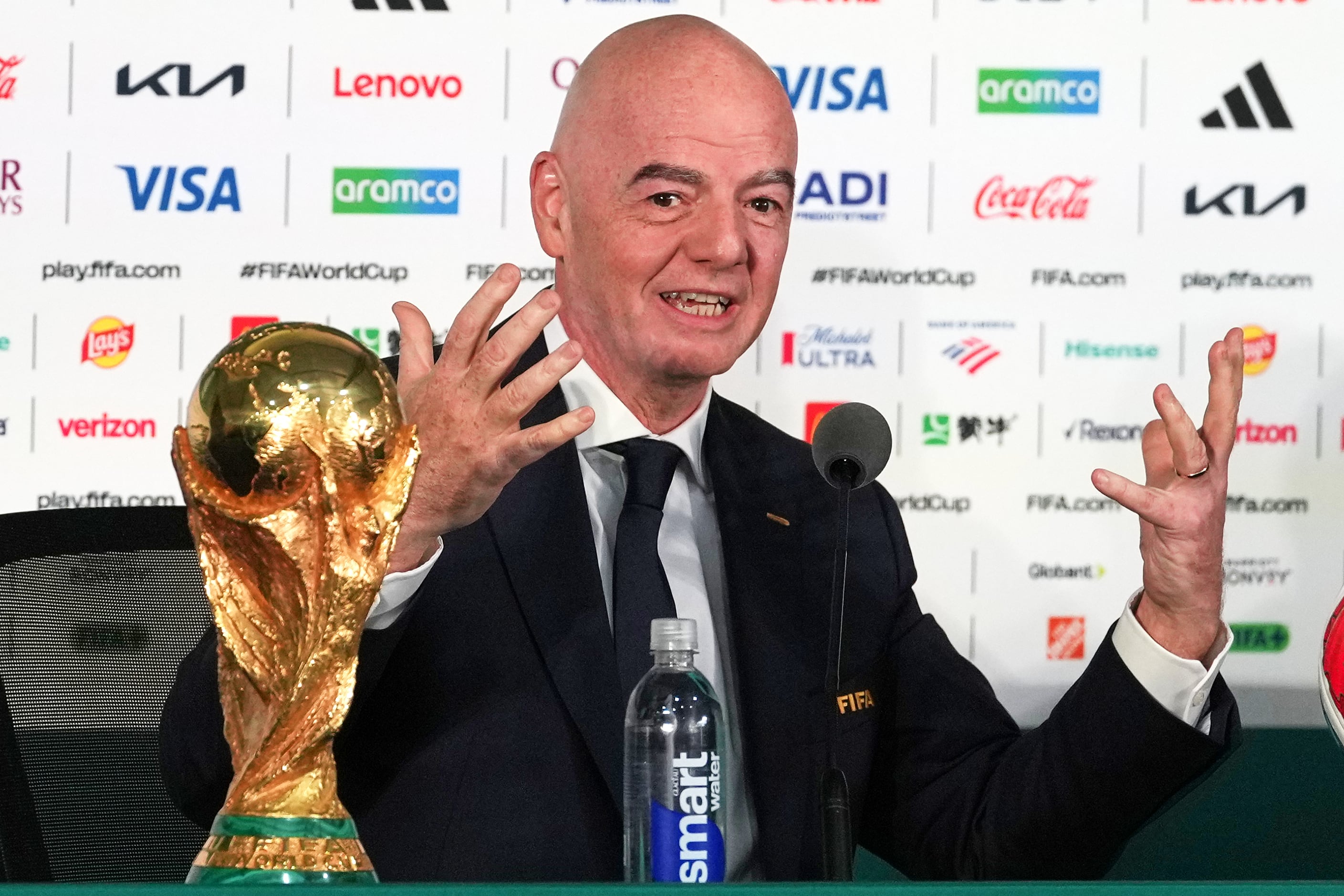
FIFA has officially suspended its project to privatize the World Cup, acknowledging that the initiative "has generated divisions." The decision comes after significant backlash and rejection from various football federations across the globe. Notably, the Union of European Football Associations (UEFA) was among the prominent organizations that opposed the privatization plan. This move by FIFA indicates a response to the widespread concerns raised by its member federations regarding the proposed changes. The suspension suggests that FIFA will likely reconsider its approach to commercializing the World Cup. Further details on the specific terms of the privatization or the exact nature of the divisions have not been disclosed. The governing body's admission of generated divisions highlights internal disagreements within the football community. This development marks a significant moment in how major sporting events are managed and commercialized.
FIFA's decision to suspend its World Cup privatization initiative reflects a complex interplay between commercial interests and the governance structures of global football. The explicit acknowledgment of "divisions" suggests that the proposed model may have created friction between FIFA's strategic objectives and the collective interests of its member federations, particularly powerful entities like UEFA. This situation underscores a recurring tension in sports governance: balancing the need for revenue generation with maintaining stakeholder consensus and the integrity of the sport. The suspension could signal a shift towards more collaborative decision-making processes, or it might represent a temporary pause before a revised proposal is introduced. Future iterations will likely need to address concerns about control, revenue distribution, and the long-term impact on the sport's accessibility and competitive balance, especially as the global sports landscape continues to evolve with increasing commercial pressures and technological advancements.
AI-generated to prompt reflection — not editorial opinion, not advice, not a statement of fact. How this works.