FIFA Mandates Natural Grass for World Cup, Requiring Engineered Sod for Stadiums
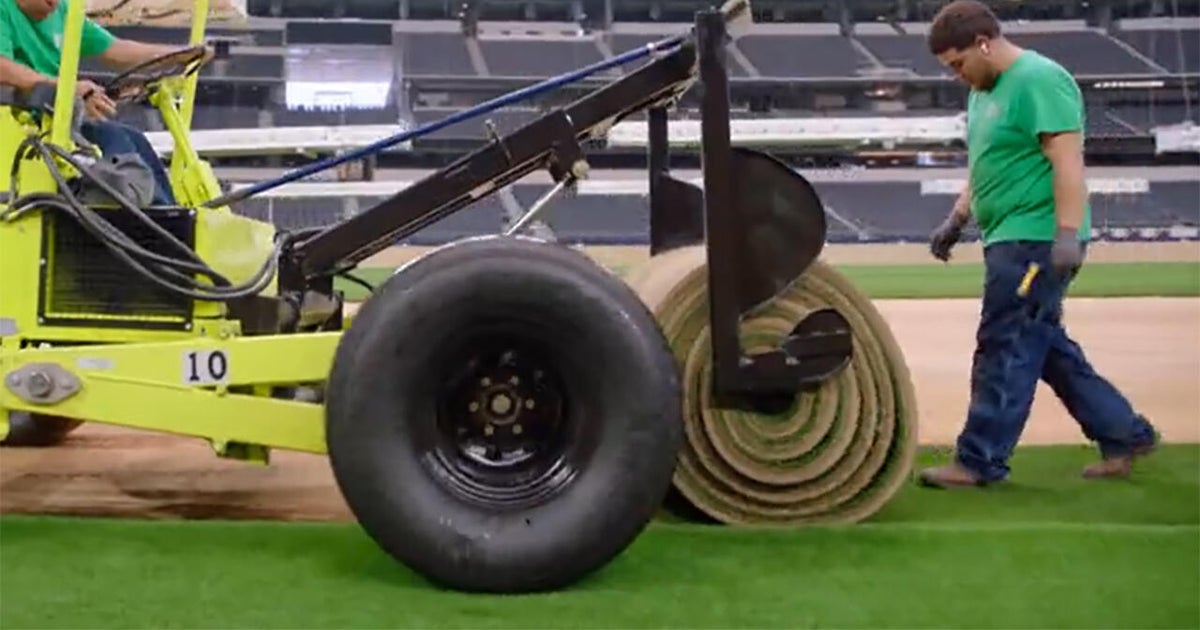
FIFA regulations stipulate that all World Cup matches must be contested on natural grass fields. For the current tournament, a scientifically engineered form of sod has been implemented in stadiums that previously featured artificial turf. This specially developed grass is designed to withstand the rigorous playing conditions expected during the competition. Furthermore, it is engineered to cope with a variety of climates, ensuring consistent performance across different venues. The use of this advanced natural grass addresses FIFA's requirement while adapting to modern stadium infrastructure that may have initially been built for artificial surfaces.
FIFA's insistence on natural grass for the World Cup highlights a tension between traditional sporting preferences and the evolution of sports infrastructure. While natural grass is often favored for its playing characteristics and historical significance, its maintenance and suitability across diverse climates present significant logistical challenges. The development of engineered sod represents a technological solution to bridge this gap, demonstrating how innovation can adapt established norms to contemporary needs. This approach raises questions about the long-term sustainability and cost-effectiveness of maintaining natural turf in environments better suited for artificial surfaces, and whether such mandates will adapt as playing surfaces continue to evolve.
AI-generated to prompt reflection — not editorial opinion, not advice, not a statement of fact. How this works.