FIFA President Denies Political Interference in US Player's Red Card Reversal
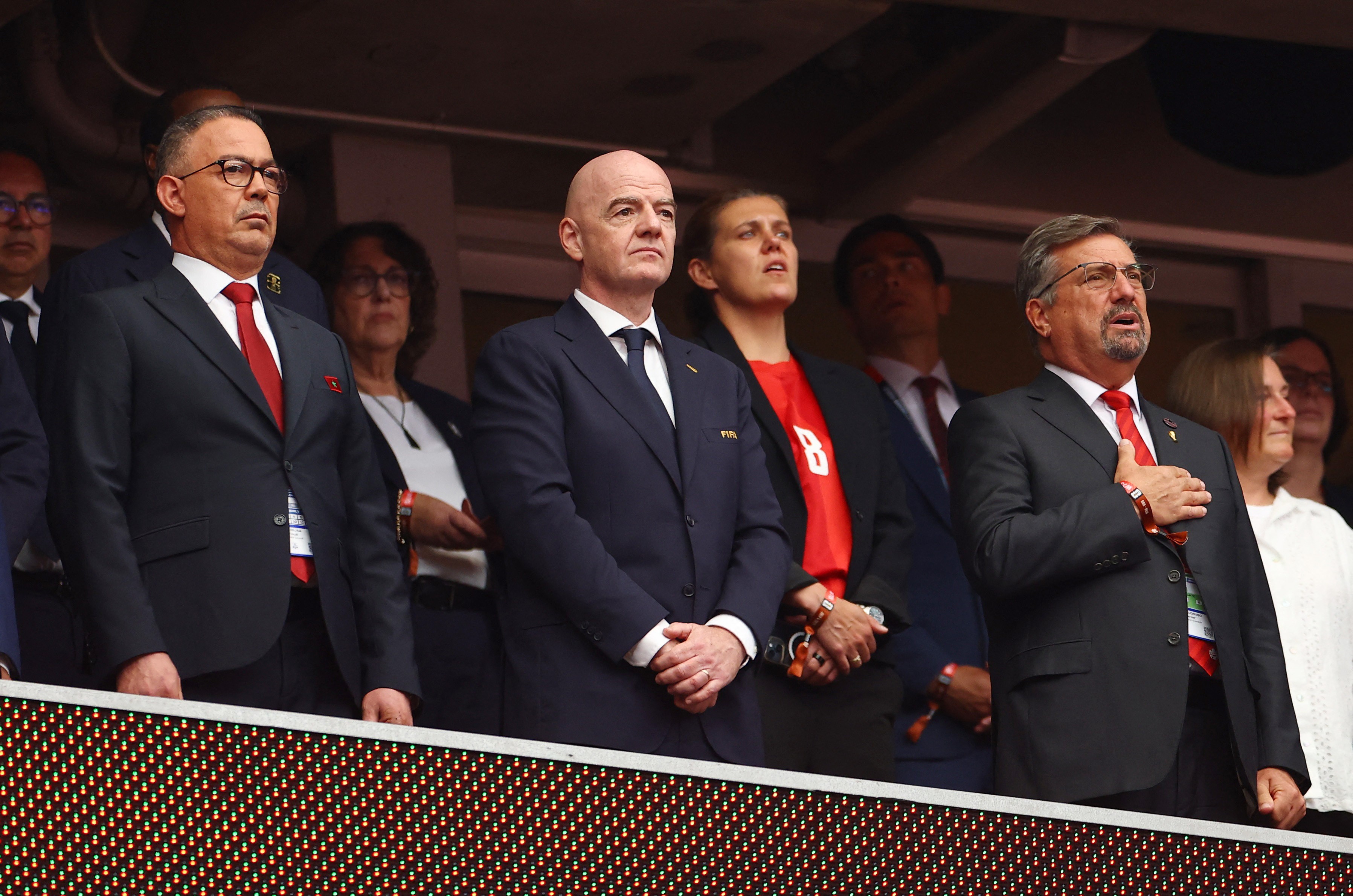
FIFA President Gianni Infantino has defended himself against accusations of political interference following the reversal of a red card issued to US player Folarin Balogun during a World Cup match against Bosnia Herzegovina. Infantino acknowledged receiving a call from US President Donald Trump, who had publicly stated he asked FIFA to review the penalty. However, Infantino asserted that he had no influence over the decision, merely informing Trump that the matter was under review by FIFA's Disciplinary Committee. He emphasized that FIFA's judicial bodies operate independently and that he respects their autonomous decisions, even if he sometimes disagrees with them.
President Trump admitted to requesting a review, stating he believed the foul was not justified and the referee's call was unfair. He claimed he only asked for a review and did not dictate the outcome, expressing satisfaction with the committee's decision. The referee for the match was Raphael Claus, who initially issued the red card to Balogun in the 18th minute of the second half for stepping on an opponent's ankle. Trump also made comments suggesting the referee's past actions were "suspicious."
The Belgian Football Federation has formally contested the decision, demanding explanations from FIFA. Belgium argues that a red card automatically results in a one-match suspension according to FIFA's Disciplinary Code and the 2026 World Cup regulations, which they claim FIFA itself has previously affirmed. They are questioning the eligibility of Folarin Balogun for their upcoming match against the US and are exploring all potential options. Both the European Union and UEFA have also reportedly criticized FIFA's decision to overturn the card after Trump's request. US coach Mauricio Pochettino and President Trump had previously celebrated the reversal, with Trump calling it a "great injustice" being corrected.
The incident highlights the complex interplay between political influence, sporting governance, and public perception in international competitions. While FIFA President Infantino maintains the independence of its judicial bodies, the direct involvement of a head of state in requesting a review of a referee's decision, regardless of the stated intent, raises questions about the integrity and impartiality of the disciplinary process. The Belgian Football Federation's challenge underscores the importance of consistent application of rules and the potential for perceived favoritism to erode trust in the sport's regulatory framework. Moving forward, FIFA faces the challenge of reinforcing its disciplinary autonomy and transparently addressing concerns about external pressures to maintain confidence among member nations and the global football community, especially as the influence of major global powers in sports continues to grow.
AI-generated to prompt reflection — not editorial opinion, not advice, not a statement of fact. How this works.