FIFA President Infantino Faces Setback as World Cup Sale Proposal Fails
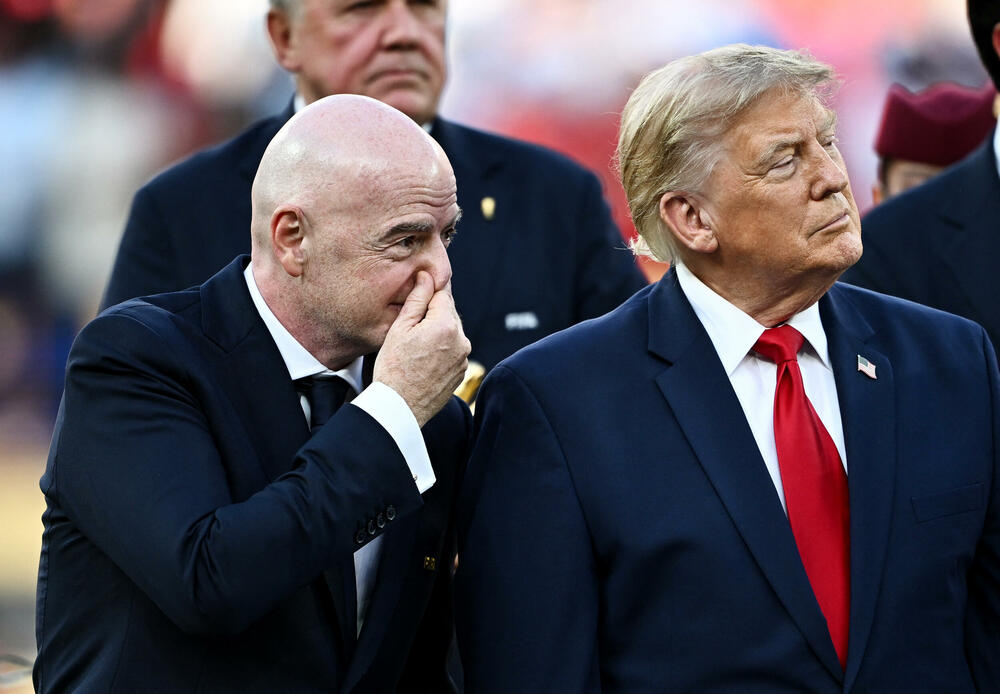
FIFA President Gianni Infantino has encountered a significant setback with the failure of his proposal to sell the World Cup. After careful consideration of all viewpoints, it became apparent that the project had generated divisions so profound that they undermined its original objectives, regardless of the level of support it received. This decision indicates a resistance to the commercialization of the World Cup, suggesting that FIFA's flagship event is not considered a commodity to be sold off. The initiative, which aimed to generate revenue through a sale, was ultimately deemed detrimental to the sport's broader interests. Infantino's proposal was met with considerable opposition, leading to its withdrawal. The outcome highlights a tension between commercial ambitions and the perceived integrity of major sporting events.
The rejection of FIFA President Infantino's World Cup sale proposal underscores a critical tension between commercial revenue generation and the perceived integrity and public interest surrounding major sporting events. While such sales can offer immediate financial injections, they risk alienating stakeholders and potentially commodifying an event that holds significant cultural and national importance. The decision suggests that market dynamics, when applied to deeply symbolic global assets, may encounter resistance if they are perceived to prioritize profit over broader stakeholder values or the long-term health of the sport's governance. Moving forward, FIFA may need to explore revenue models that balance financial needs with maintaining trust and broad-based support, especially in the context of evolving global sports economics and increasing scrutiny of major sporting bodies.
AI-generated to prompt reflection — not editorial opinion, not advice, not a statement of fact. How this works.