FIFA President Infantino Navigates World Cup Success Amidst European Scrutiny and Past Conflicts
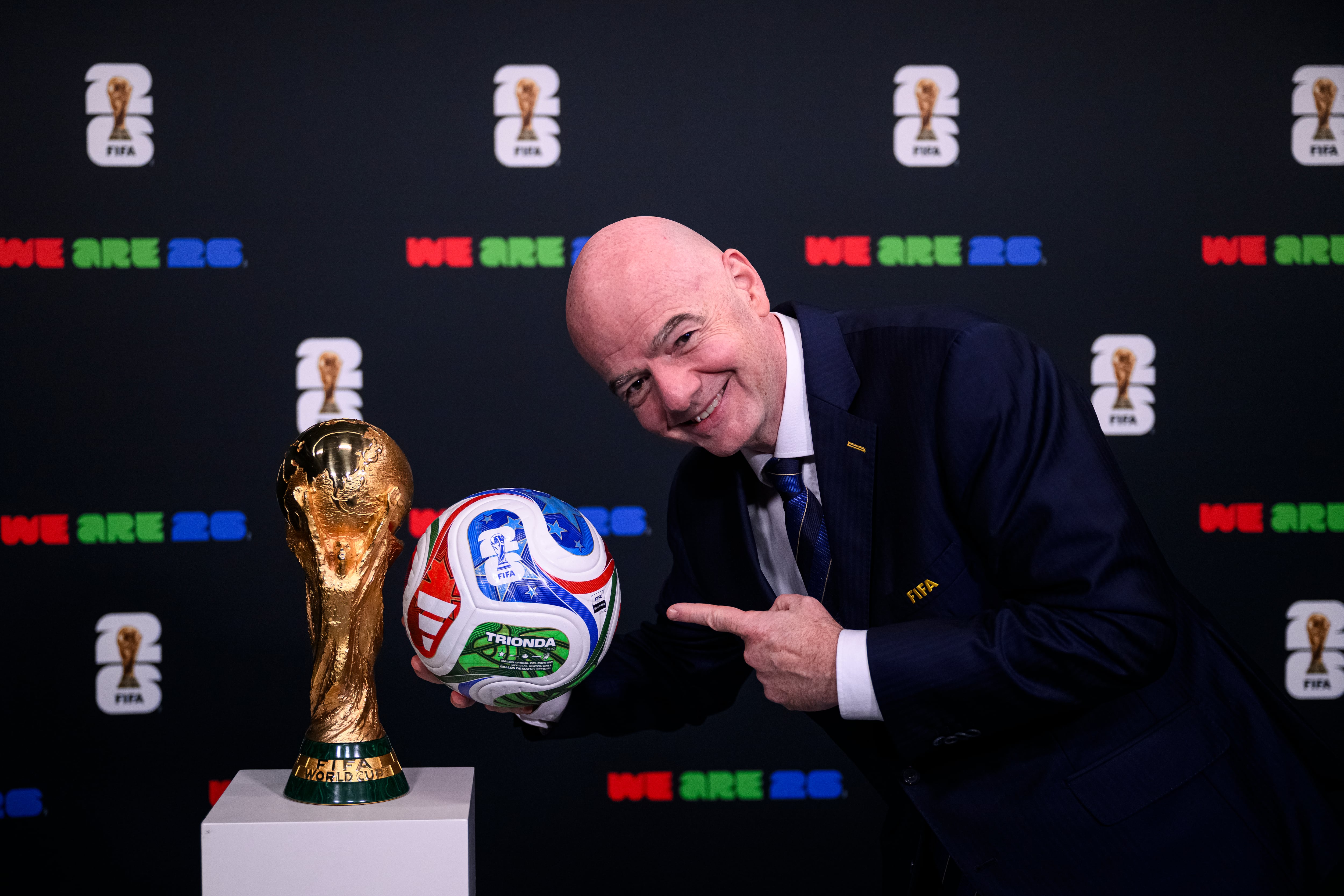
FIFA President Gianni Infantino is entering the final week of the largest World Cup in history, marked by significant achievements. He has consolidated considerable power within the organization, a rise that has coincided with the tournament's success. However, Infantino's tenure has also stirred old resentments in Europe, suggesting a complex relationship between his leadership and European footballing bodies. The article delves into the strategies he employed to build his influence and highlights his ambitious initiatives. This World Cup, the most extensive to date, represents a culmination of his efforts and a test of his leadership on a global stage. His journey to the presidency and his subsequent consolidation of power have been closely watched, particularly given his past associations, including an alleged alliance with Donald Trump. The article aims to explore how these elements have shaped his current position and the reception of the tournament.
Gianni Infantino's leadership of FIFA, particularly during this record-breaking World Cup, highlights the intricate interplay between sports governance, geopolitical influence, and commercial interests. His ability to navigate complex international relations and consolidate power suggests a strategic understanding of organizational dynamics and stakeholder management. The "old resentments" in Europe may stem from perceived shifts in power away from traditional European footballing authorities towards FIFA under his direction, potentially driven by differing visions for the sport's global development and revenue distribution. Examining the incentive structures for member nations versus established confederations could illuminate the underlying tensions. Looking ahead, Infantino's ambitious projects will likely continue to test the boundaries of FIFA's mandate, raising questions about the long-term sustainability of a centralized, globally driven football model in an increasingly fragmented geopolitical landscape.
AI-generated to prompt reflection — not editorial opinion, not advice, not a statement of fact. How this works.